
1997 Great Dane Trailers For Sale in New York
Shop 1997 Great Dane trailers for sale in New York. Compare dry van specs, axle setups, dimensions, construction, and cargo-ready features.

Selling a 1997 great dane trailer? List your 1997 great dane trailer for sale and reach thousands of commercial buyers.
1997 Great Dane Trailers in New York
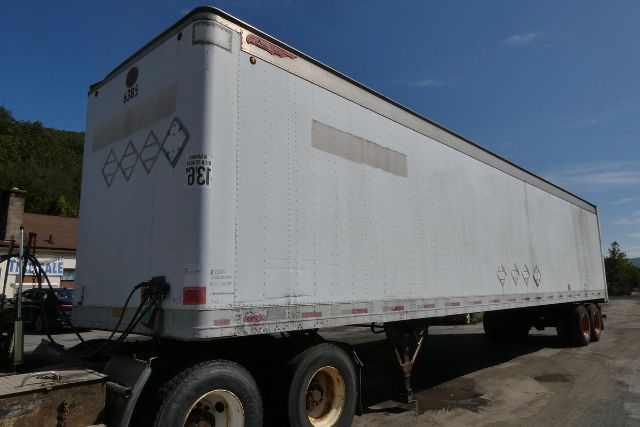
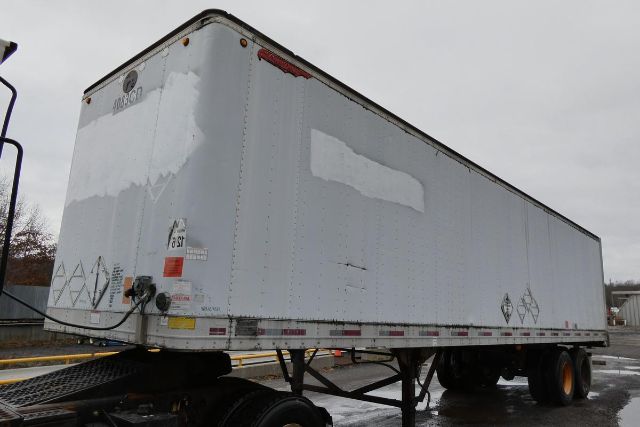
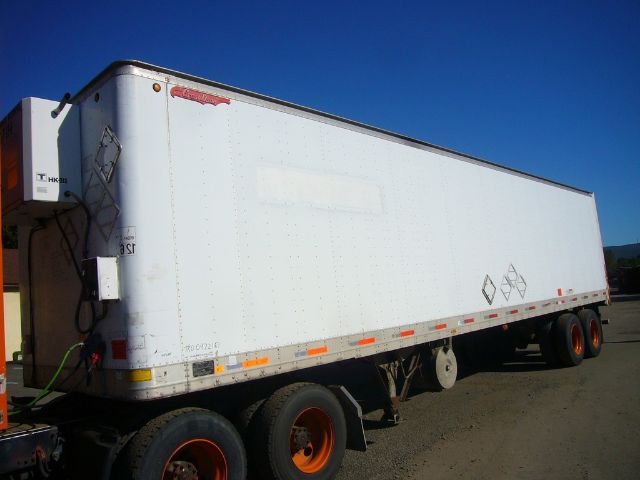
For this age range, the most common configurations are 48-foot and 53-foot dry vans, usually 102 inches wide with swing or roll-up rear doors. Many Great Dane vans from this era were spec'd with tandem axles, air brakes, and either spring or air ride suspension. Sliding tandems matter if the trailer will run in mixed lane assignments or deal with bridge law and dock approach constraints, while fixed tandems can be acceptable for local or dedicated work. Common specs buyers compare include GVWR, empty weight, inside height, tire size, hub-piloted steel wheels, and kingpin setting. If the trailer is intended for dock freight, pallet count, floor rating, and door opening dimensions are more important than exterior appearance.
A 1997 Great Dane trailer can still fit a range of applications if matched to the right freight. Dry freight, warehouse transfers, retail distribution, store delivery, and light regional hauling are common uses for older van trailers. Some units may have useful add-ons such as translucent roofs, logistics posts, scuff liners, liftgates, or tire inflation systems added later in life. In New York, buyers should inspect for rust at the rear sill, landing gear mounts, slider rails, suspension hangers, and brake plumbing. State inspection readiness, brake condition, tire age, and lighting compliance can quickly change the total cost of ownership on an older trailer.
The smart way to shop this category is to look past model year alone and evaluate how the trailer was used. A 1997 Great Dane that spent its life in lighter regional freight with consistent floor and brake maintenance may be a better buy than a newer trailer with heavy forklift damage and deferred repairs. Check for water intrusion, bowing in the roof, patched side panels, uneven tire wear, worn bushings, and signs of frame fatigue around the bogie area. If the goal is low-cost cargo capacity, an older Great Dane dry van can still make sense, provided the trailer passes a careful structural and compliance inspection before going to work.
Frequently Asked Questions about 1997 Great Dane Trailers in New York
What should I inspect first on a 1997 Great Dane trailer?
Start with the structural areas that are expensive to repair. Inspect the floor, crossmembers, rear frame, roof bows, sidewalls, landing gear mounts, suspension hangers, and slider assembly if equipped. On older Northeast trailers, corrosion around the rear sill, brake components, and electrical connections is especially important. After structure, verify brake condition, tire age, wheel-end condition, lights, and door operation.
Are 1997 Great Dane trailers usually dry vans?
Many trailers from this make and era on the secondary market are dry van trailers, also known as van trailers or enclosed freight trailers. Common lengths are 48 feet and 53 feet, with 102-inch width and tandem axles. Equipment can vary by original fleet spec, so buyers should confirm suspension type, door style, axle configuration, and interior dimensions rather than assuming all trailers are identical.
Is a 1997 Great Dane trailer still worth buying for commercial use?
It can be, if the trailer is structurally sound and the intended application matches its condition. Older Great Dane trailers are often purchased for short-haul freight, storage, yard use, dedicated local lanes, or lower-mileage regional service. The purchase price may be attractive, but the real decision should be based on inspection results, immediate repair needs, and whether the trailer can meet DOT and operational requirements without major reconditioning.
What specs matter most when comparing older Great Dane trailers?
The most important specs usually include trailer length, inside height, empty weight, GVWR, axle type, suspension, door opening size, floor construction, and brake setup. For operations that cube out before they weigh out, inside dimensions and pallet capacity are key. For heavier freight, floor condition, suspension health, and legal axle placement matter more. Buyers in tight delivery environments may also prioritize swing versus roll-up doors and the presence of a liftgate.
What issues are common on older Great Dane van trailers in New York?
Rust and corrosion are the biggest concerns, especially on trailers exposed to road salt and winter moisture. Buyers commonly find wear at the rear frame, approach plate, threshold, landing gear braces, suspension hardware, and electrical system connections. Water intrusion from roof or seal failures is another common issue because it can damage flooring and interior structure over time. A careful inspection should focus on both visible rust and hidden structural fatigue.