
1996 Trailers For Sale
Browse 1996 trailers for sale, including van, reefer, flatbed, and specialized trailer types with specs that matter for fleet and owner-operator use.

Looking for the easiest place to sell your 1996 trailer? List it here to reach thousands of buyers.
1996 Trailers
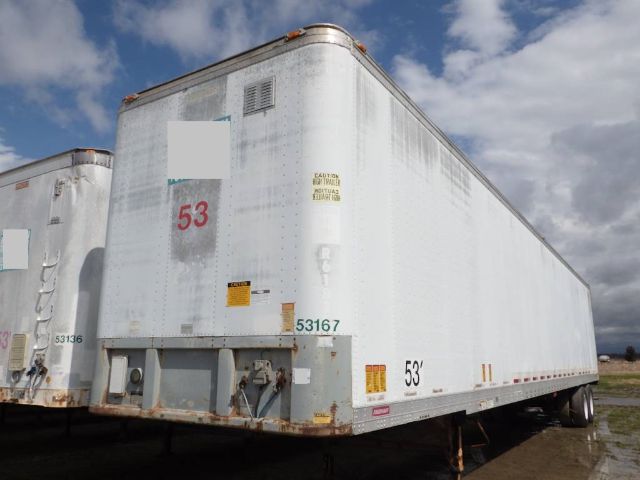
For dry van trailers, common checkpoints include roof condition, sidewall damage, door seal integrity, threshold wear, and the state of the wood floor or duct floor. Typical dimensions in the broader market include 28-foot pups, 48-foot trailers, and 53-foot tandems, usually at 102 inches wide. Suspension may be air ride or spring ride, with fixed or sliding tandems depending on application and bridge-law needs. Features like scuff liners, logistics posts, E-track, roll-up doors, and swing doors can make a major difference depending on the freight mix. A 1996 van trailer used in regional delivery will age differently than one that spent years in dock-to-dock linehaul service.
On reefer trailers from this era, the refrigeration unit becomes a major part of the buying decision. Unit hours, service history, insulation condition, floor wear, air chute condition, and rear door sealing all affect operating cost and temperature performance. Buyers should also verify whether the reefer unit and trailer electrical systems remain easy to support with available parts. Older reefer trailers can still be valuable for short-haul cold storage support, produce, dairy, or local food distribution, but deferred maintenance shows up quickly in fuel burn, pull-down times, and cargo claims. Stainless rear frames, aluminum duct floors, and solid bulkhead construction are all positives if the trailer has been kept up.
For any 1996 trailer, it is smart to inspect brake chambers, slack adjusters, wheel ends, tire age, ABS function, lighting, and VIN legibility before making a decision. Corrosion around the subframe, suspension hangers, and rear impact guard deserves close attention, especially in northern climates or on trailers that saw heavy chemical or produce service. If the trailer will be plated for highway use, buyers should confirm current DOT requirements, state inspection standards, and any fleet-specific maintenance expectations. A well-maintained 1996 trailer can still fill a useful role in local hauling, warehouse shuttles, seasonal overflow, storage, or dedicated lane work where acquisition cost matters more than late-model spec.
Frequently Asked Questions about 1996 Trailers
What should I inspect first on a 1996 trailer?
Start with the structural items. Check the frame rails, crossmembers, kingpin area, suspension hangers, slider assembly if equipped, landing gear mounts, rear frame, and floor condition. After that, inspect brakes, wheel seals, tires, lights, ABS operation, and door hardware. On a trailer of this age, structural soundness and roadworthiness are usually more important than appearance.
Is a 1996 trailer still worth buying for commercial use?
It can be, if the trailer matches the job and has been maintained well. Many older trailers still perform reliably in local routes, drop-yard service, storage, seasonal demand, and dedicated short-haul operations. The value depends on repair history, component condition, and how easy it is to keep parts and service support in place. Buyers should compare acquisition cost against likely near-term repairs.
What are common trailer types found in the 1996 model year?
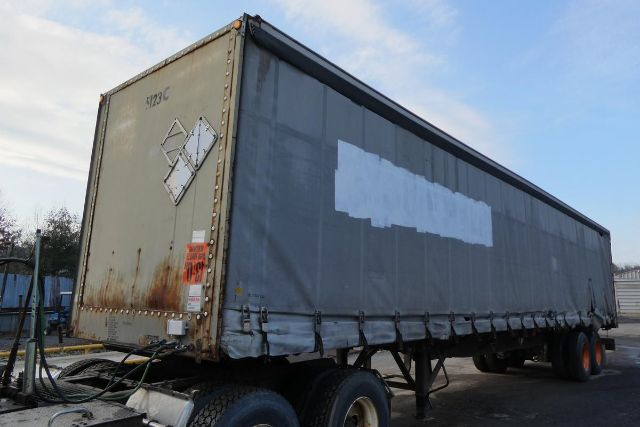
The 1996 market can include dry van trailers, refrigerated trailers, flatbeds, step decks, pups, and other specialty configurations. Dry vans are common for general freight, while reefer trailers serve temperature-controlled freight. Pup trailers and older specialty trailers are often considered for regional work, yard use, or operations that do not require late-model trailer specs.
Are parts harder to find for a 1996 trailer?
That depends on the trailer brand and component package. Standard wear items such as brakes, wheel-end parts, suspension components, lighting, tires, and landing gear are usually easier to source than body panels, proprietary door parts, or older reefer unit components. Buyers should verify support for the axle, suspension, door hardware, and refrigeration system before committing to an older trailer.
What makes an older reefer trailer riskier than an older dry van?
A reefer trailer has more systems that directly affect operating cost and cargo protection. In addition to the trailer structure, you are evaluating the refrigeration unit, insulation, duct floor, air management components, and door sealing. If those systems are weak, the trailer may still move freight, but temperature control, fuel efficiency, and maintenance cost can become serious issues very quickly.