
1995 Trailers For Sale in Texas
Shop 1995 trailers for sale in Texas, including dry vans, flatbeds, reefers, drop decks, and specialty trailers for fleet and owner-operator use.
Learn more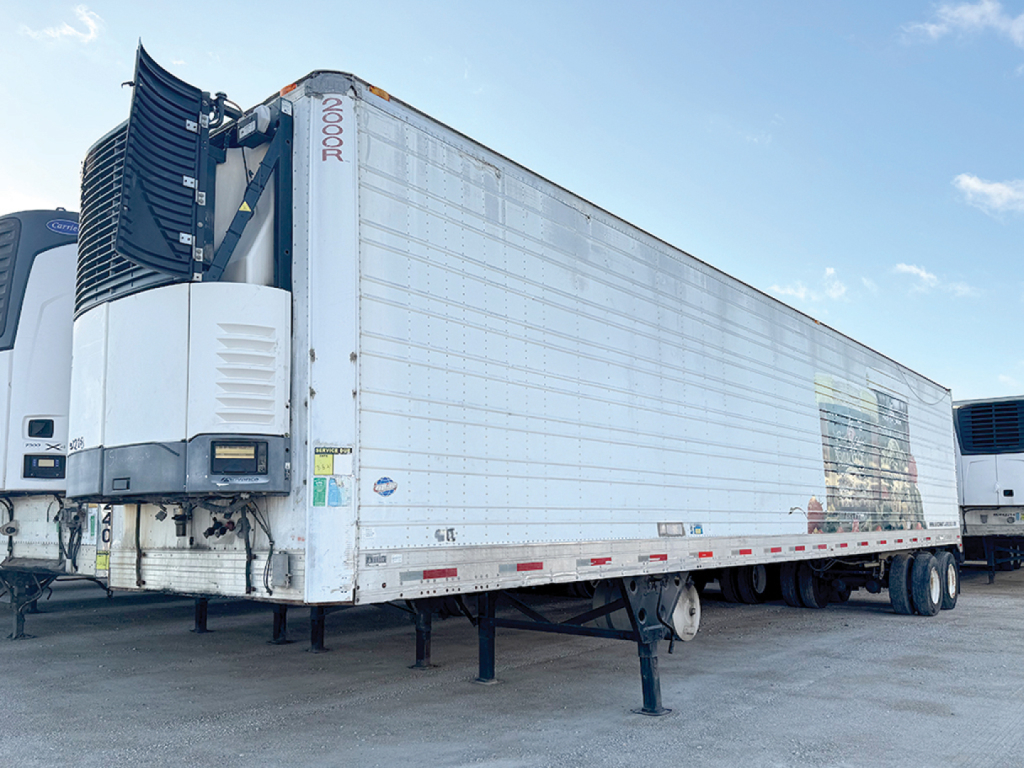
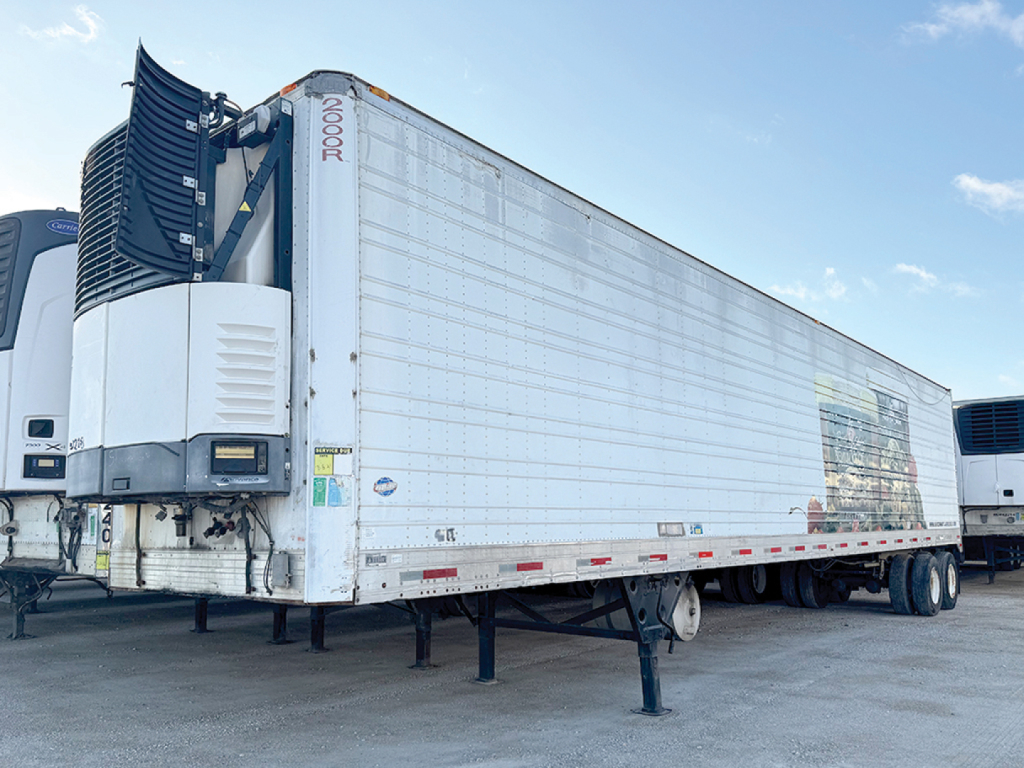
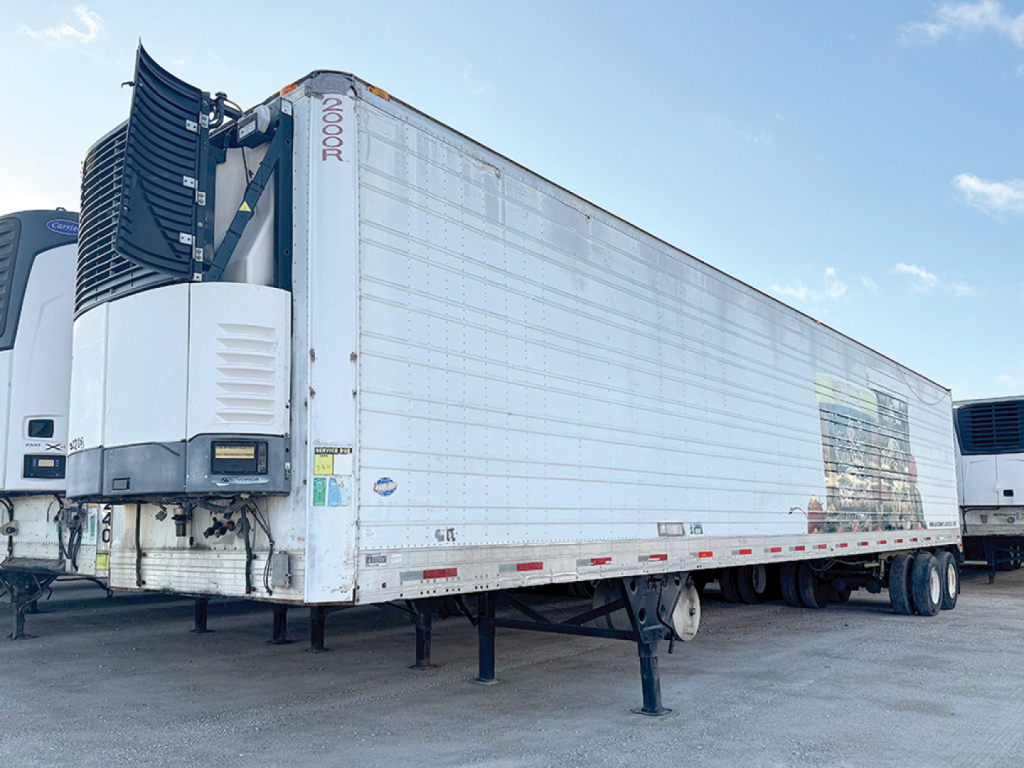
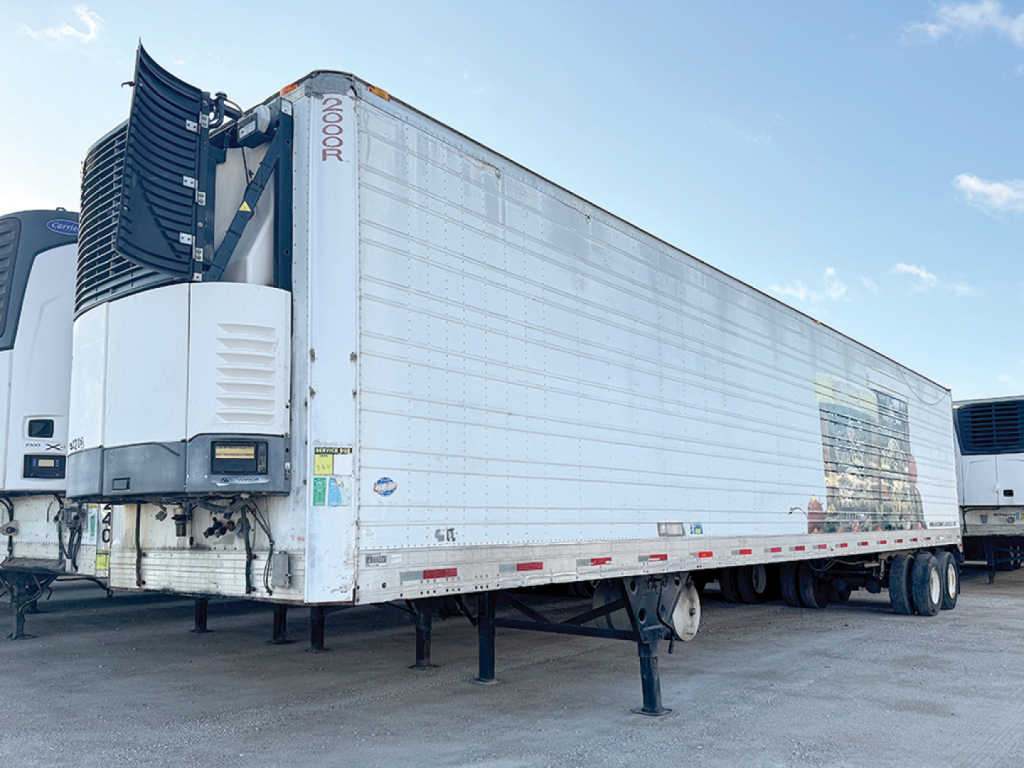

Have 1995 trailer to sell? List it here to reach thousands of buyers.
About 1995 Trailers in Texas
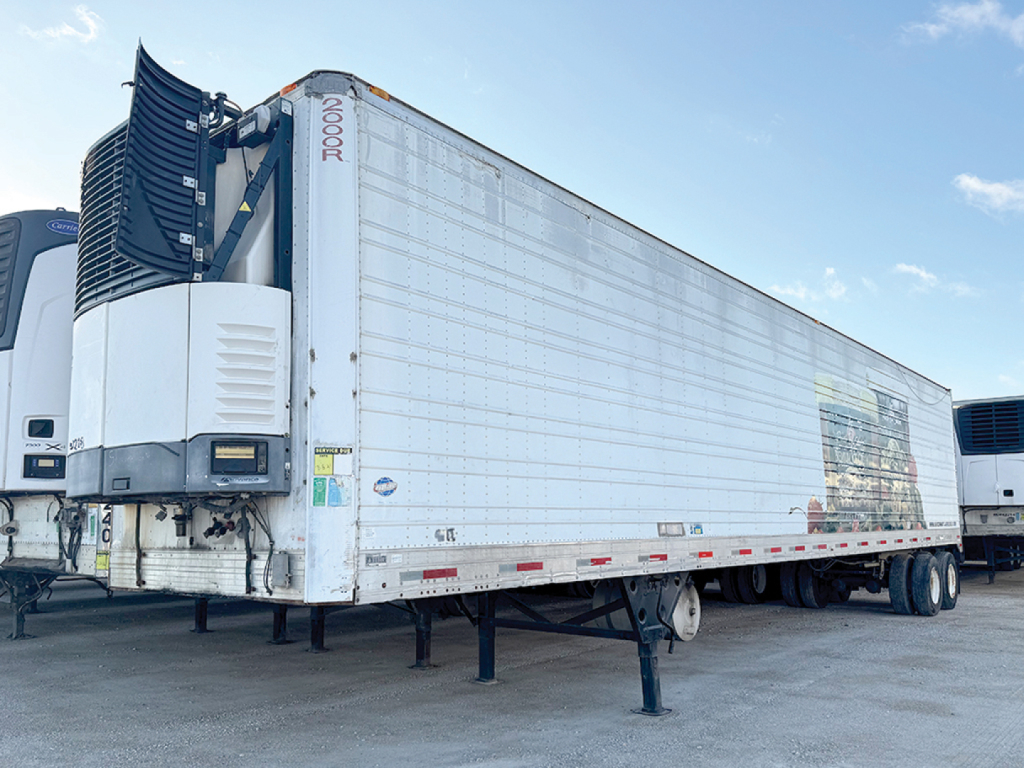
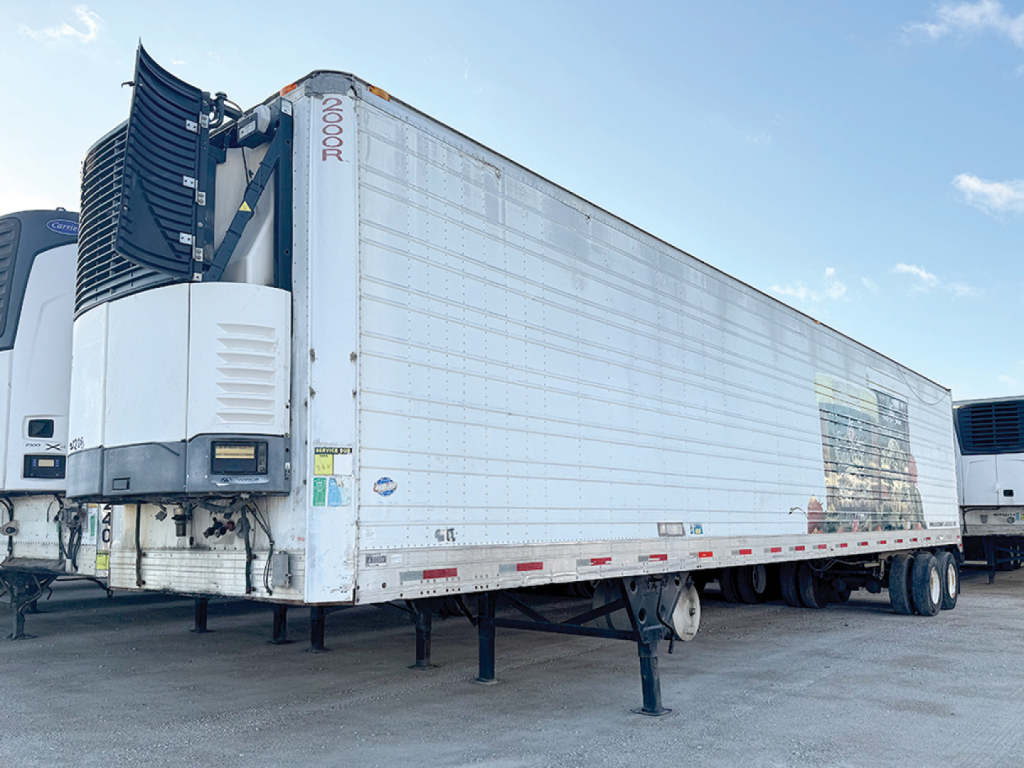
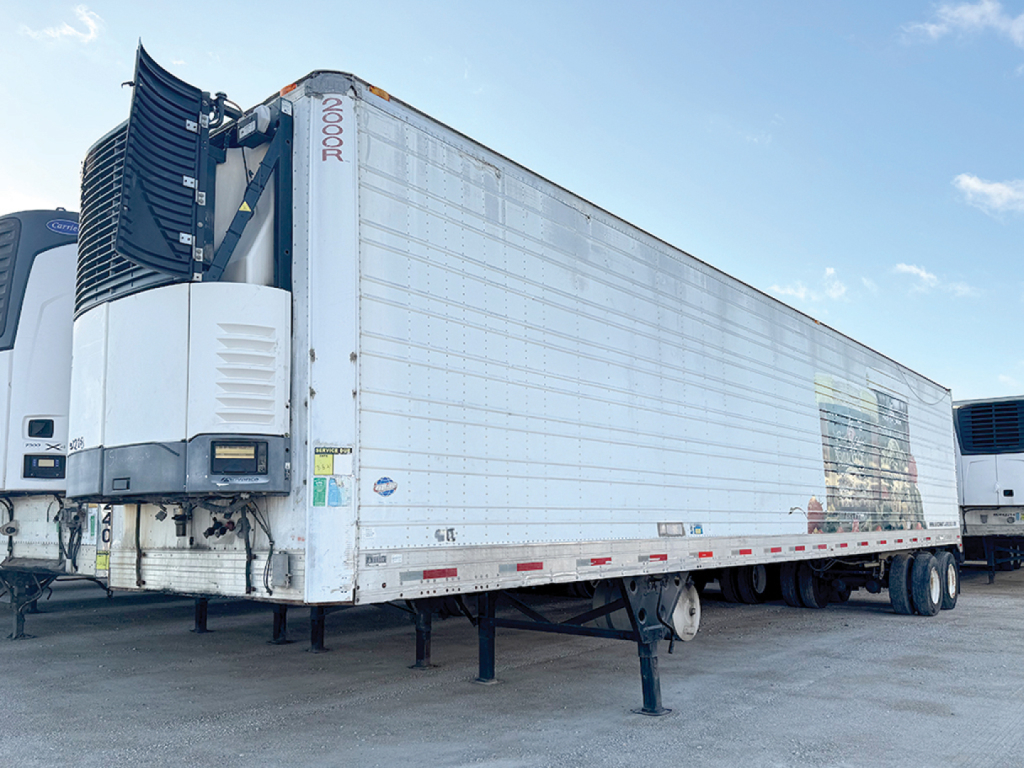
Dry vans from the mid-1990s are often valued for straightforward construction and lower acquisition cost. A buyer should look closely at roof bows, side panels, scuff liners, threshold plate wear, rear frame corrosion, door seals, and floor fastener condition. Logistics posts, e-track, roll-up doors, and swing doors can add usefulness depending on the freight mix. For flatbeds and drop decks, the key details are deck condition, aluminum versus steel composition, concentrated load rating, tie-down layout, winch track, stake pockets, and any evidence of frame repairs or beam cracking. Older reefers need the same trailer inspection plus a careful review of the refrigeration unit hours, operating history, insulation condition, air chute or duct floor setup, and door closure performance.
Texas buyers also need to think about legal and operational fit. Tandem slides, axle spread, overall length, and kingpin settings can affect bridge law compliance, dock access, and route flexibility. Suspension choice matters too. Air ride is often preferred for ride quality and sensitive freight, while spring suspension can be simpler and familiar in certain vocational applications. Wheel-end condition, tire size, ABS status, brake type, and lighting updates are especially important on older trailers because these items directly affect uptime and inspection readiness. If the trailer will run long distances in heat, pay extra attention to tires, seals, hub condition, and any signs of heat-related wear in wiring and air lines.
For many buyers, a 1995 trailer makes sense as a secondary unit, storage trailer, dedicated lane trailer, export candidate, or lower-cost addition to a working fleet. The best purchase is usually the one with a sound frame, documented repairs, and specs that fit the freight instead of a low price alone. A well-kept older trailer can still provide reliable service, but the value is in structural condition, maintenance history, and how easily it can stay compliant with current operating requirements.
Frequently Asked Questions
What should I inspect first on a 1995 trailer?
Start with the structural components because age-related issues are most expensive there. Check the main frame rails, crossmembers, kingpin assembly, upper coupler plate, suspension mounts, slider rails if equipped, landing gear mounts, and rear frame. After that, inspect the floor, doors, roof, wiring, brakes, tires, and wheel ends. On any 1995 trailer, structural repairs and corrosion matter more than cosmetic appearance.
Is a 1995 trailer still a good buy for commercial use?
It can be, provided the trailer has been maintained and the intended application is realistic. Many older trailers remain productive in regional freight, storage, farm use, dedicated shipper lanes, or backup fleet service. The decision usually comes down to structural integrity, ease of getting replacement parts, and whether the trailer can pass inspection and stay reliable without constant repair expense.
What trailer types from 1995 are most commonly found on the used market?
Dry vans, flatbeds, refrigerated trailers, and drop decks are among the most common 1995 trailers still circulating in the used market. Dry vans are often used for storage or general freight, flatbeds remain useful for construction and steel service, and reefers can still have value if the box and refrigeration system are serviceable. Availability depends heavily on region, prior fleet use, and how the trailer was spec'd when new.
How important is suspension type on an older trailer?
Suspension type is very important because it affects ride quality, maintenance cost, and suitability for the freight. Air ride is generally preferred for fragile or high-value cargo and can improve ride control, while spring suspension is simpler and may be cheaper to maintain in some operations. On a 1995 trailer, the bigger issue is often not the type itself but the condition of bushings, hangers, airbags, torque arms, and alignment-related wear.
Are older 1995 refrigerated trailers worth buying?
They can be worth buying if both the trailer body and refrigeration system are in workable condition, but they require a more careful evaluation than a dry van or flatbed. Buyers should verify reefer unit hours, service records, start-up behavior, temperature pull-down performance, insulation condition, floor and chute design, and door seal quality. If the reefer unit is near the end of its service life, the total cost can rise quickly even if the trailer price looks attractive.