
1995 Trailers For Sale
Browse 1995 trailers for sale, including dry van and pneumatic dry bulk models with common specs, applications, and buying points.

Have 1995 trailer to sell? List it here to reach thousands of buyers.
1995 Trailers
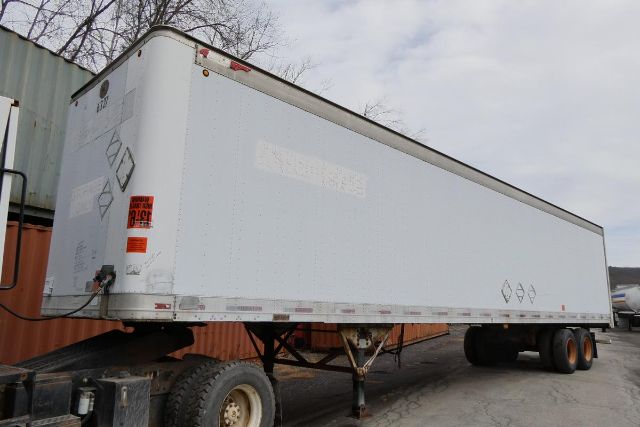
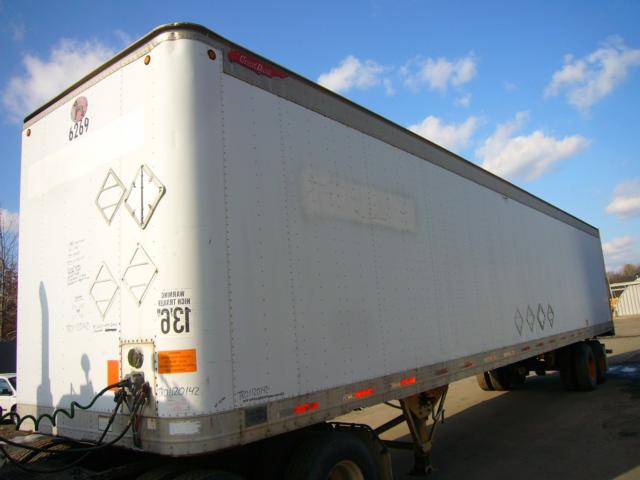
Dry van trailers from the mid-1990s are often 48-foot aluminum units with 102-inch width, tandem axles, air ride suspension, wood floors, and swing doors. Sliding tandems are common and still matter for bridge law compliance and axle loading flexibility. Buyers should pay close attention to roof condition, sidewall repairs, scuff liner wear, crossmember corrosion, and door frame alignment. A translucent or transparent roof can improve interior visibility for loading, but leaks and patchwork need close inspection. If the trailer has logistics equipment such as E-track, logistics posts, or interior lining repairs, that can add value depending on the freight profile.
1995 pneumatic dry bulk trailers are a different buying decision entirely. Capacity is often measured in cubic feet, with common layouts using multiple hoppers, aluminum barrels, air ride suspension, and aluminum or steel piping components depending on the product hauled. Cement service is common in this age range, so barrel condition, aeration system performance, pressure integrity, product valves, discharge plumbing, and manhole sealing are critical. Buyers should also verify the condition of the blower hookups, rear discharge setup, suspension, landing gear, and wheel-end components. On older bulk trailers, a clean inspection record and evidence of maintenance on valves, pads, hoses, and gauges can outweigh cosmetic issues.
The key with any 1995 trailer is fit for the lane and total cost to return it to work. Check current DOT inspection status, VIN legibility, ABS function if equipped, brake adjustment hardware, and parts availability for the suspension and axle configuration. Confirm actual dimensions, empty weight, GVWR, and kingpin setting before assigning it to a tractor or freight contract. Older trailers can still perform well in short-haul, seasonal, storage, dedicated lane, farm, construction, or backup fleet roles if the structure is sound and the trailer has been maintained with a clear purpose in mind.
Frequently Asked Questions about 1995 Trailers
What should I inspect first on a 1995 trailer before buying?
Start with structural condition and running gear. Check the frame rails, crossmembers, suspension mounts, landing gear supports, kingpin area, axle alignment, brake components, and wheel ends before focusing on cosmetic items. On vans, inspect the floor, roof, rear frame, and door hardware. On pneumatic trailers, inspect the barrel, hoppers, discharge plumbing, valves, and aeration system. Age alone does not determine value on a 1995 trailer. Structural soundness and maintenance history do.
Are 1995 dry van trailers still usable in commercial freight service?
Yes, many 1995 dry van trailers can still work in commercial service if they pass inspection and match the freight application. They are often used for regional freight, dedicated customers, storage, dock service, or backup capacity. The most important concerns are floor strength, roof and wall leaks, brake compliance, tire condition, suspension wear, and rear door sealing. Sliding tandems and a sound aluminum structure can still make an older van trailer useful.
What matters most when buying a 1995 pneumatic dry bulk trailer?
The most important factors are barrel condition, pressure system integrity, hopper and discharge layout, and evidence of proper maintenance. Product history matters because cement, lime, fly ash, and similar commodities can affect wear patterns differently. Inspect aeration pads, product valves, piping, tees, manholes, gauges, and suspension closely. A bulk trailer with strong plumbing, clean valves, and a solid barrel is generally a better candidate than one with fresh paint but neglected discharge components.
Can parts still be found for a 1995 trailer?
In many cases, yes. Common wear items such as brake chambers, slack adjusters, bushings, air bags, wheel seals, lights, and landing gear parts are usually still available through aftermarket suppliers. The challenge is more likely with model-specific body parts, older suspension components, obsolete valve systems, or trailer-specific trim pieces. Buyers should verify axle, suspension, and brake component brands before purchase so replacement parts can be sourced without delay.
Is a 1995 trailer a good value compared with newer used trailers?
It can be, especially when the trailer is being purchased for a limited-duty or specialized role. A 1995 trailer usually trades at a lower acquisition cost, but buyers need to account for tires, brakes, wiring repairs, suspension work, floor or roof repairs, and inspection updates. The best value comes from a trailer with a solid structure, known prior use, and recent maintenance records. A low purchase price does not help if the trailer immediately needs major structural or running gear work.