
1995 Reefer Trailers For Sale
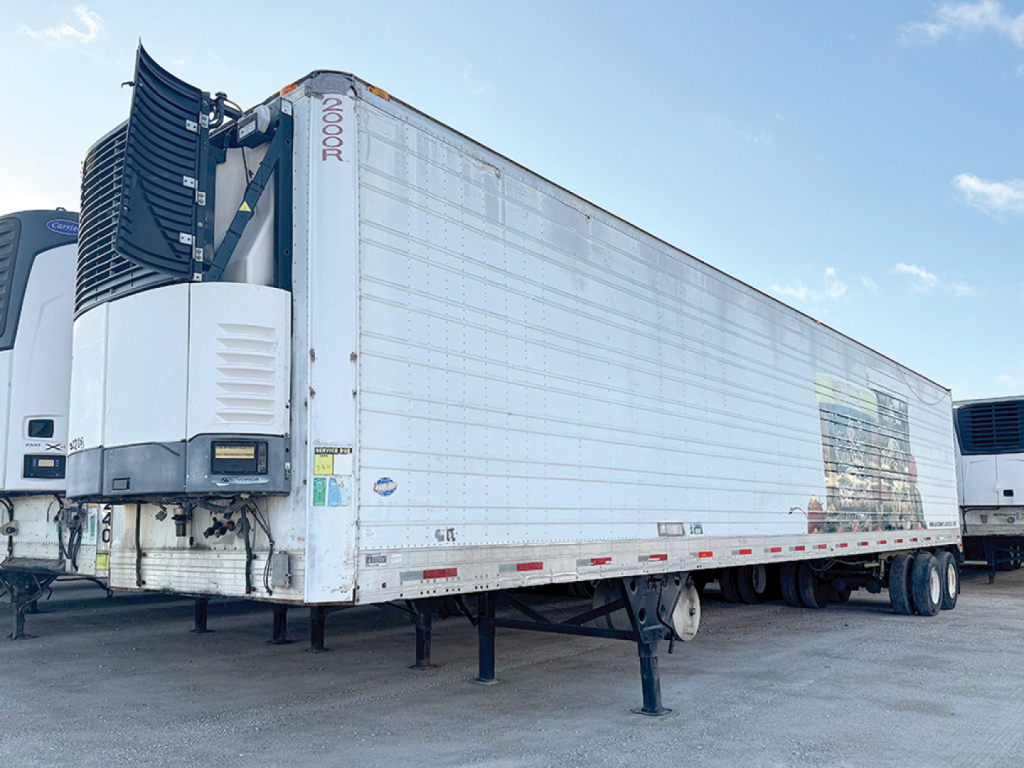
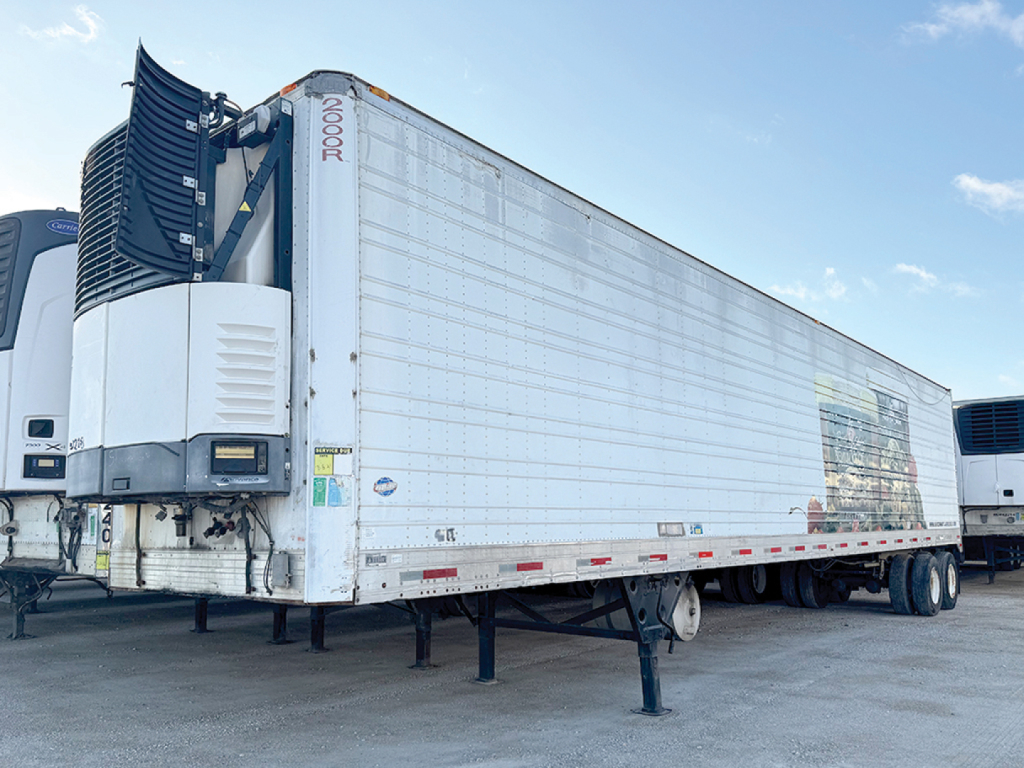
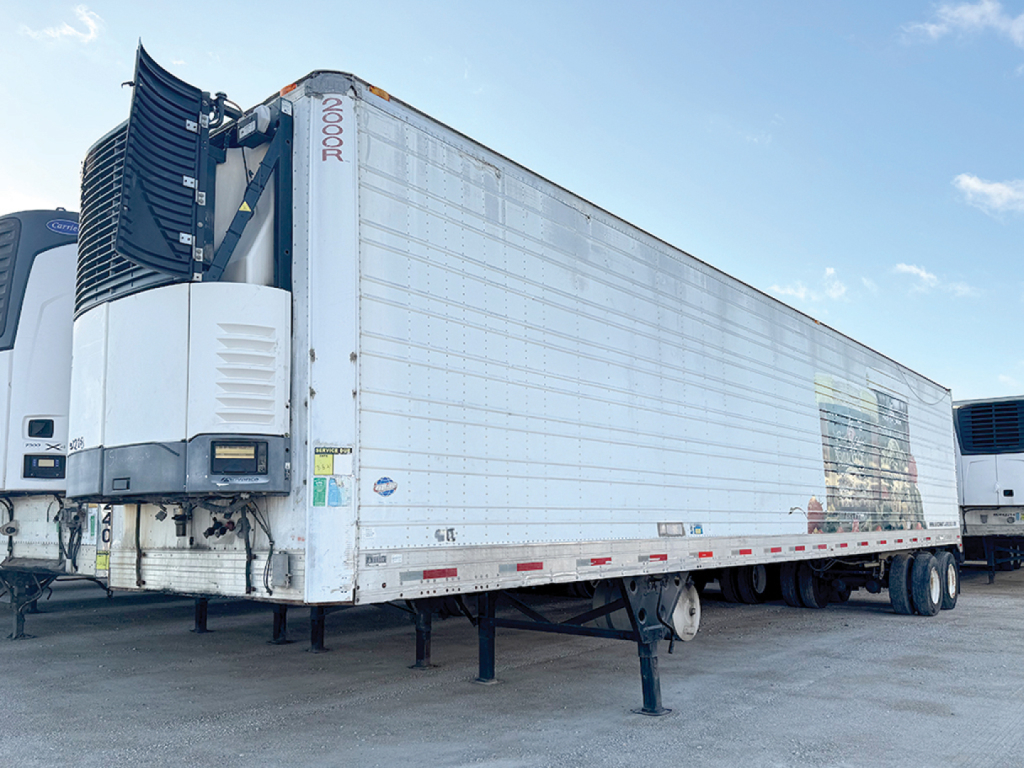
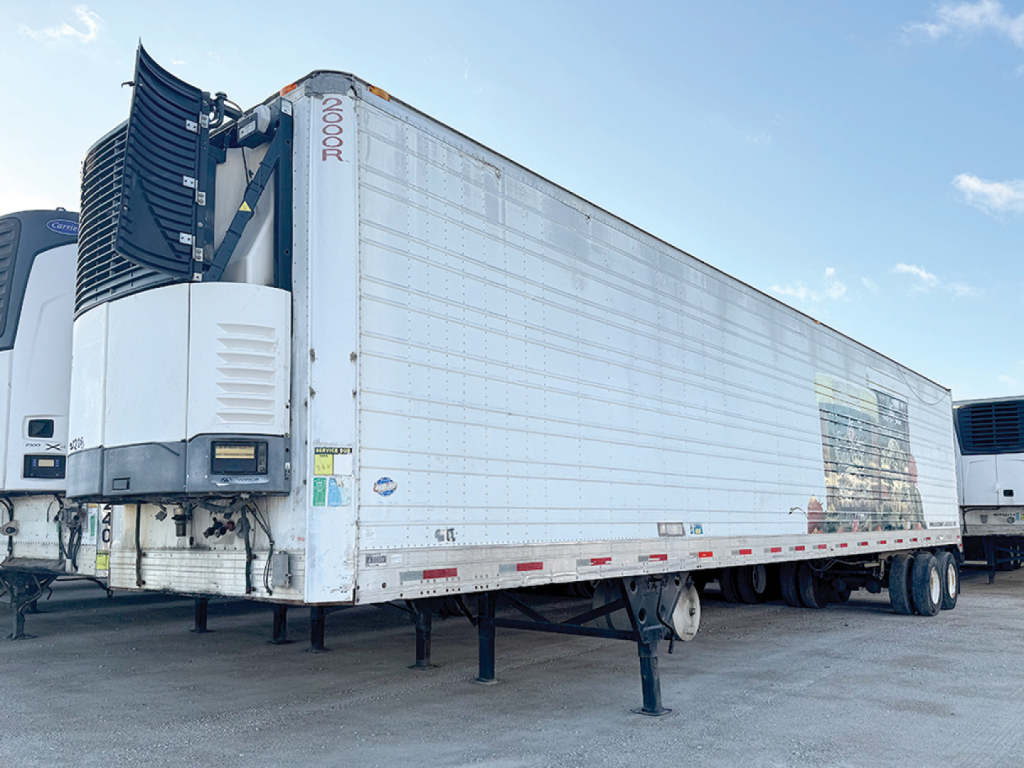
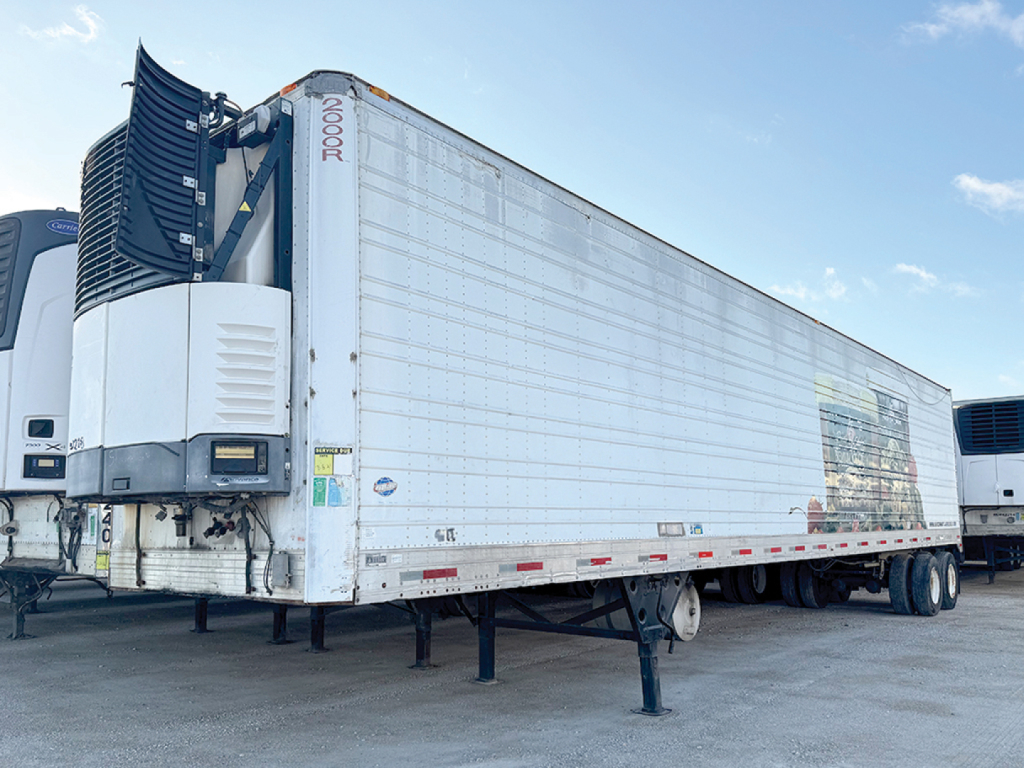
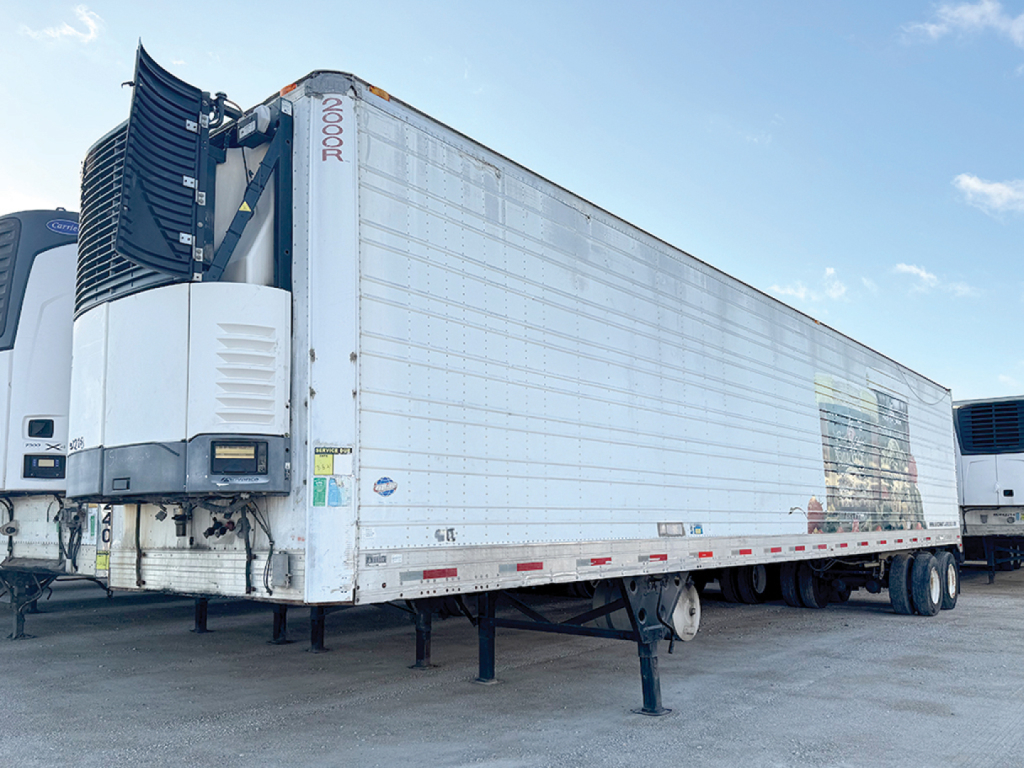
Shop 1995 reefer trailers for sale. Compare 48-foot refrigerated trailers, insulation, floor type, suspension, doors, and unit status.
Learn more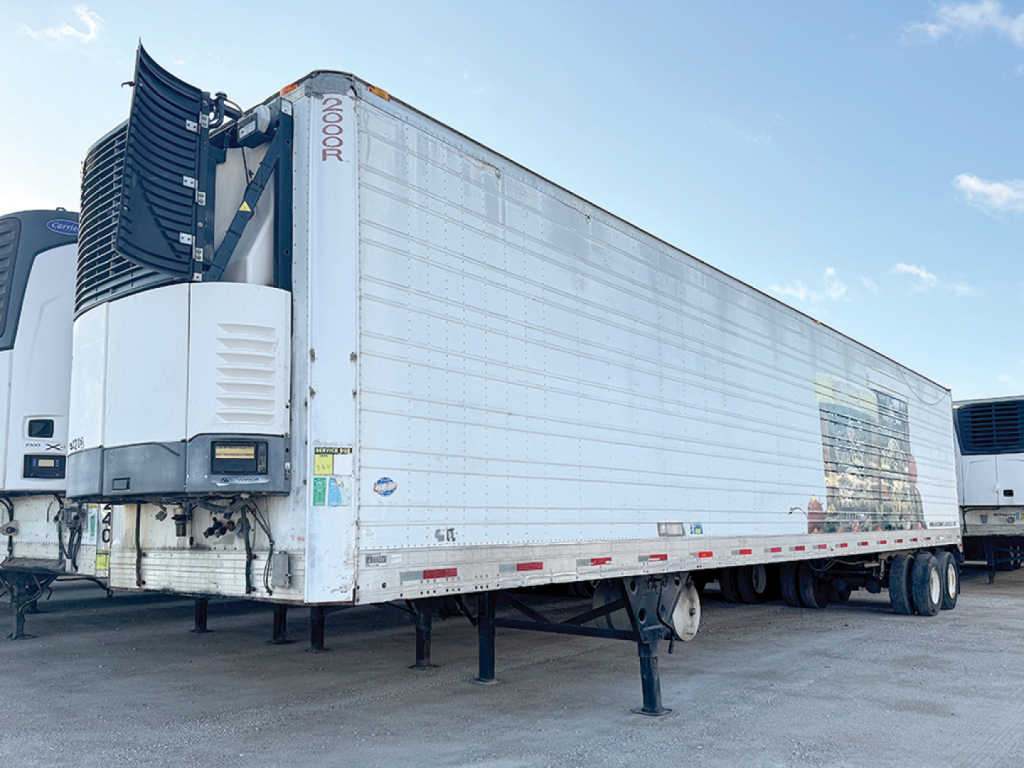

Have 1995 reefer trailer to sell? List it here to reach thousands of buyers.
About 1995 Reefer Trailers
The most important buying decision is whether the trailer will be used for active temperature-controlled freight or for insulated storage and dry service. A 1995 reefer with a functioning Thermo King or Carrier unit can still work in certain lanes if the unit has documented service history, acceptable hours, and parts support. A trailer listed as less unit should be priced and evaluated more like an insulated van body than a full refrigerated trailer. Floor type also matters. Aluminum duct floors help air move under the load for frozen and chilled freight, while aluminum flat floors may be more common on older units that have seen mixed service. Check the condition of the insulation, interior lining, scuff plate or scuff liners, door seals, cold chute, and front wall, because degraded insulation or air leaks can make an older reefer expensive to operate.
Structural condition is just as important as refrigeration performance on a trailer from this era. Look closely at the crossmembers, floor wear, landing gear mounts, rear frame, threshold, and tandem slide rails. Older reefers may have roll-up doors or swing doors, and each has tradeoffs. Swing doors generally seal better and are simpler to maintain, while roll-up doors can help in tight docks but add moving parts and can affect insulation performance if worn. Suspension is often spring ride on older 1995 trailers, though some are spec'd with air ride. Sliding tandems are common and still important for bridge compliance and dock positioning. Tire size, wheel type, brake condition, ABS status, and any evidence of corrosion around stainless trim and aluminum panels should all be part of the inspection.
For many buyers, a 1995 reefer trailer makes the most sense in secondary duty, local delivery, seasonal harvest work, on-site cold storage, or export use. It can also be a practical fit for operators who have in-house maintenance and understand the economics of keeping older refrigerated equipment in service. The best purchase is usually the trailer with the clearest maintenance history, sound rear door seal, dry interior, straight body, and a refrigeration system that matches the intended commodity and lane requirements. If the unit is missing, the trailer can still hold value as an insulated trailer, but buyers should budget carefully for retrofit costs, fuel tank and control components, and the reality that some older reefer bodies are no longer ideal for strict food-grade work.
Frequently Asked Questions
What should I check first on a 1995 reefer trailer?
Check whether the trailer has a refrigeration unit installed and operating, or if it is being sold less unit. That single detail changes the trailer’s value, legal use, and total cost dramatically. After that, inspect the insulation integrity, floor condition, door seals, front wall, and the structural condition of the chassis and tandem area. On an older reefer, deferred maintenance in the body can be just as costly as problems with the refrigeration system.
Is a 1995 reefer trailer still usable for temperature-controlled freight?
It can be, but suitability depends on the condition of the trailer body and the refrigeration unit, not just the model year. Some older refrigerated trailers still serve regional and seasonal lanes if they have a serviceable Carrier or Thermo King unit, good insulation, and tight door seals. Many 1995 reefers are better suited for short-haul, storage, or backup use because fuel efficiency, pull-down performance, and food-shipper requirements are often stricter on modern accounts.
What is the difference between a reefer trailer with a duct floor and one with a flat floor?
A duct floor is designed to move cold air under and through the load, which helps maintain more consistent temperatures across the trailer, especially for frozen or tightly stacked freight. A flat floor is simpler and can be easier to load in some operations, but it does not support airflow the same way. On a 1995 reefer, floor condition matters as much as floor type because bent, worn, or patched flooring can affect sanitation, airflow, and forklift durability.
Are 48-foot 1995 reefer trailers common?
Yes. In the mid-1990s, 48-foot reefers were common, and many remain in the used market. Buyers looking at 1995 refrigerated trailers will often see 48-foot lengths, 96-inch widths, and older axle and suspension configurations compared with later 53-foot trailers. That makes them relevant for certain dock layouts, local routes, and budget-sensitive operations, but buyers should confirm cargo cube, pallet count, and bridge-law fit before purchasing.
Can a 1995 reefer trailer without a unit still be a good buy?
Yes, if the intended use is insulated storage, non-powered temperature buffering, or a conversion project where the numbers make sense. A reefer sold without a unit should be valued as an insulated trailer first, not as a fully functional refrigerated trailer. Buyers should compare the cost of adding or replacing a unit, repairing the nose structure, and updating controls against the price of a newer reefer that is already road-ready.