
1995 Reefer Trailers For Sale in Texas
Browse 1995 reefer trailers for sale in Texas. Compare insulated van specs, reefer unit setup, floor type, suspension, and door options.
Learn more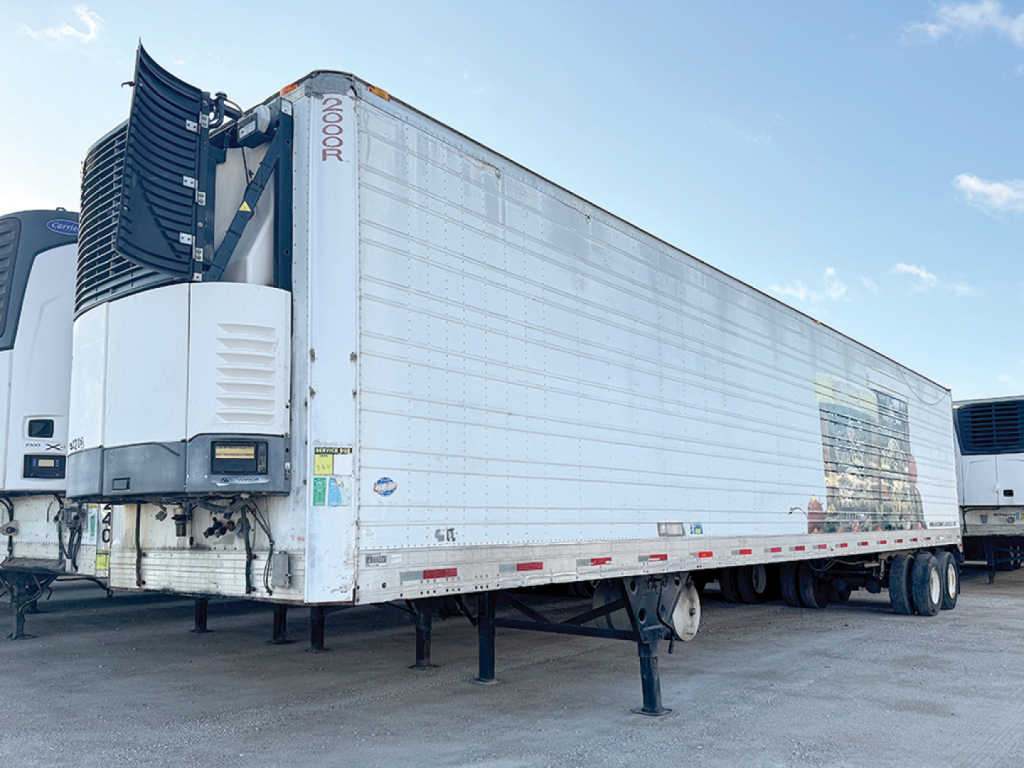
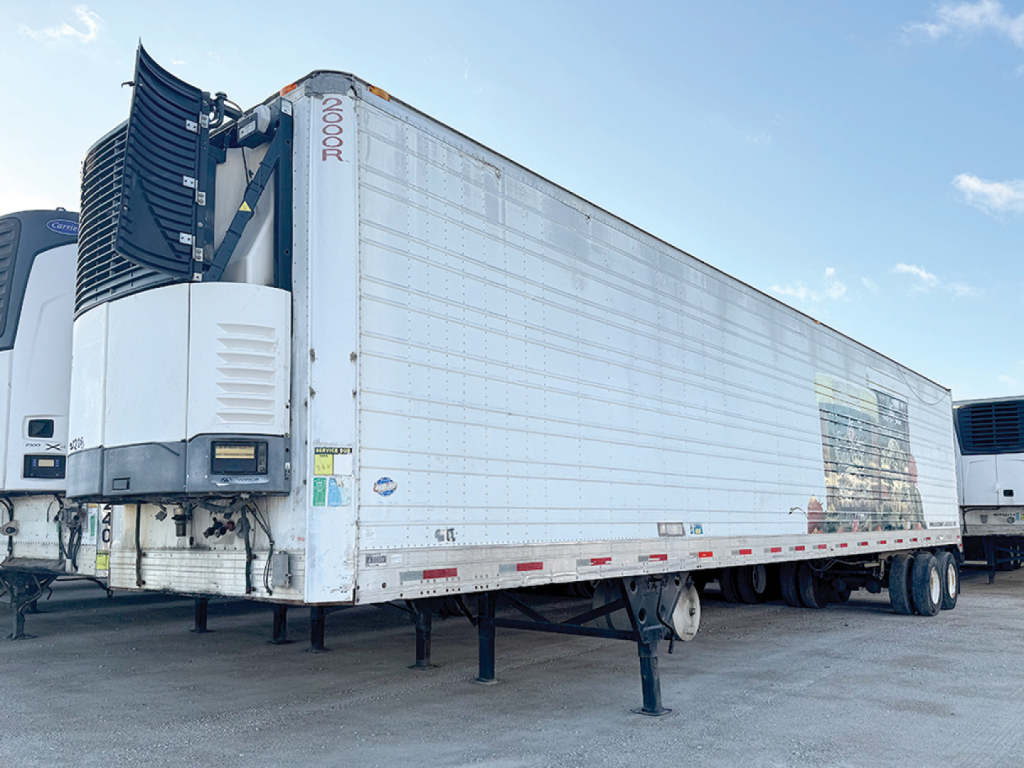
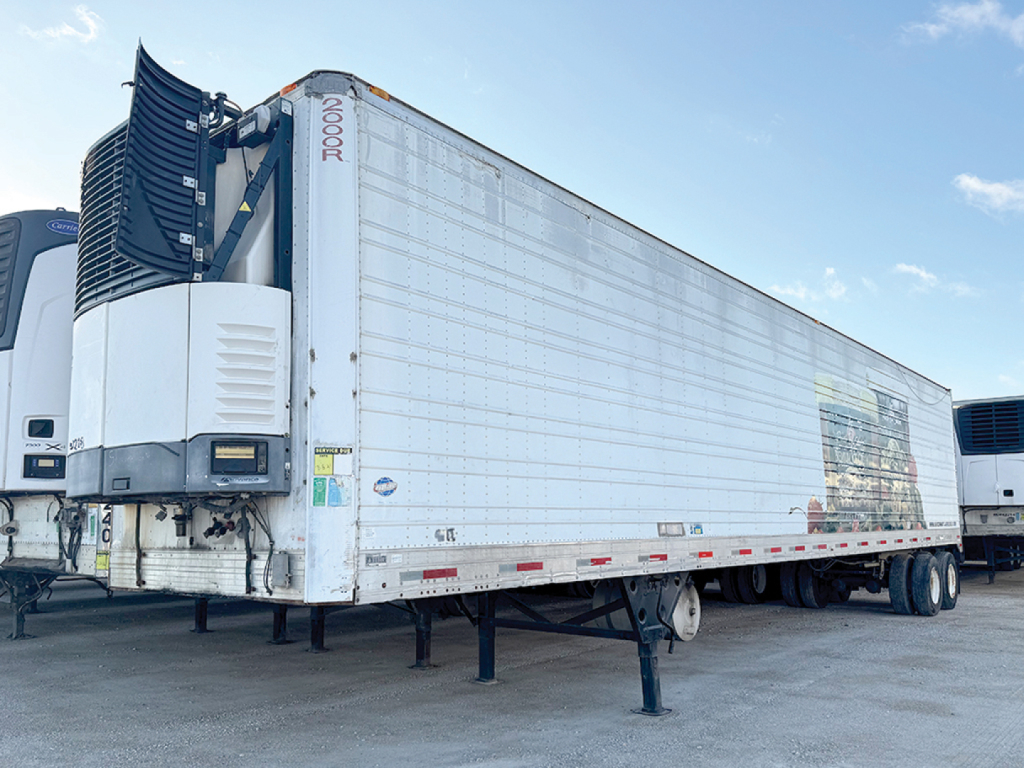
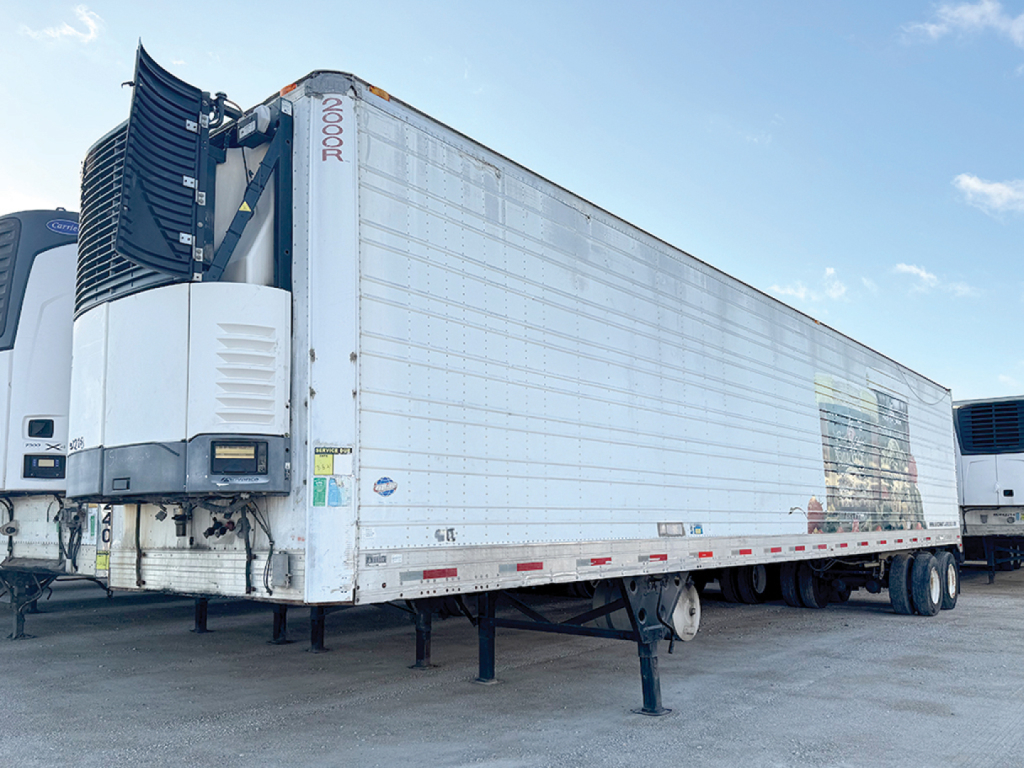

Have 1995 reefer trailer to sell? List it here to reach thousands of buyers.
About 1995 Reefer Trailers in Texas
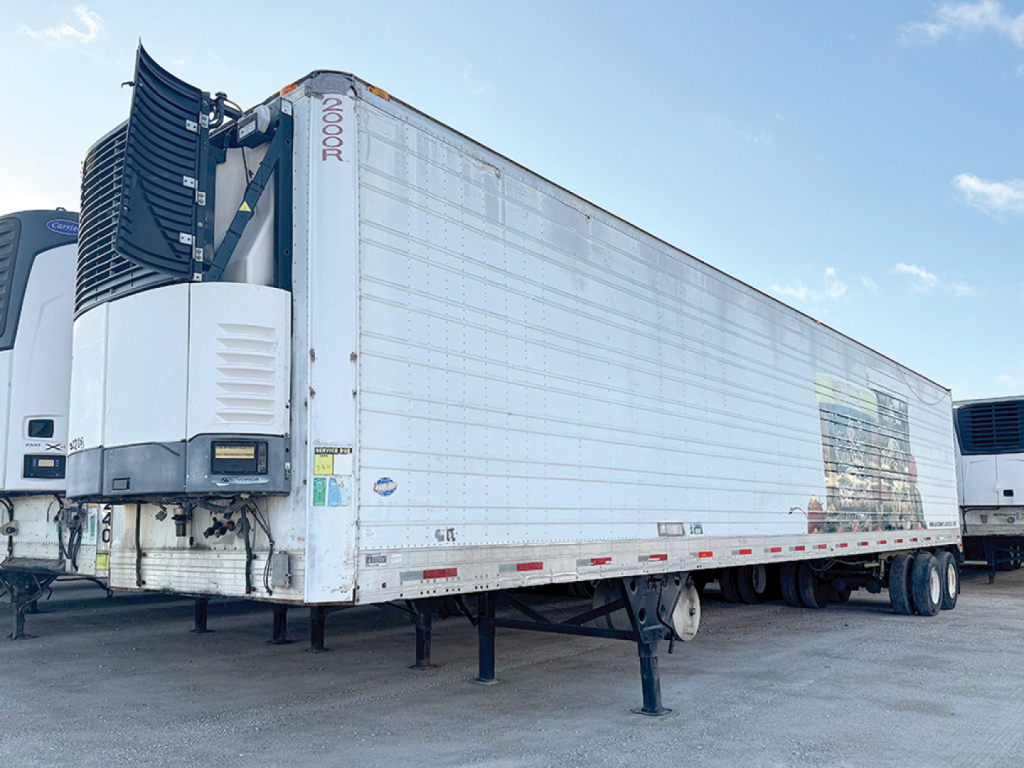
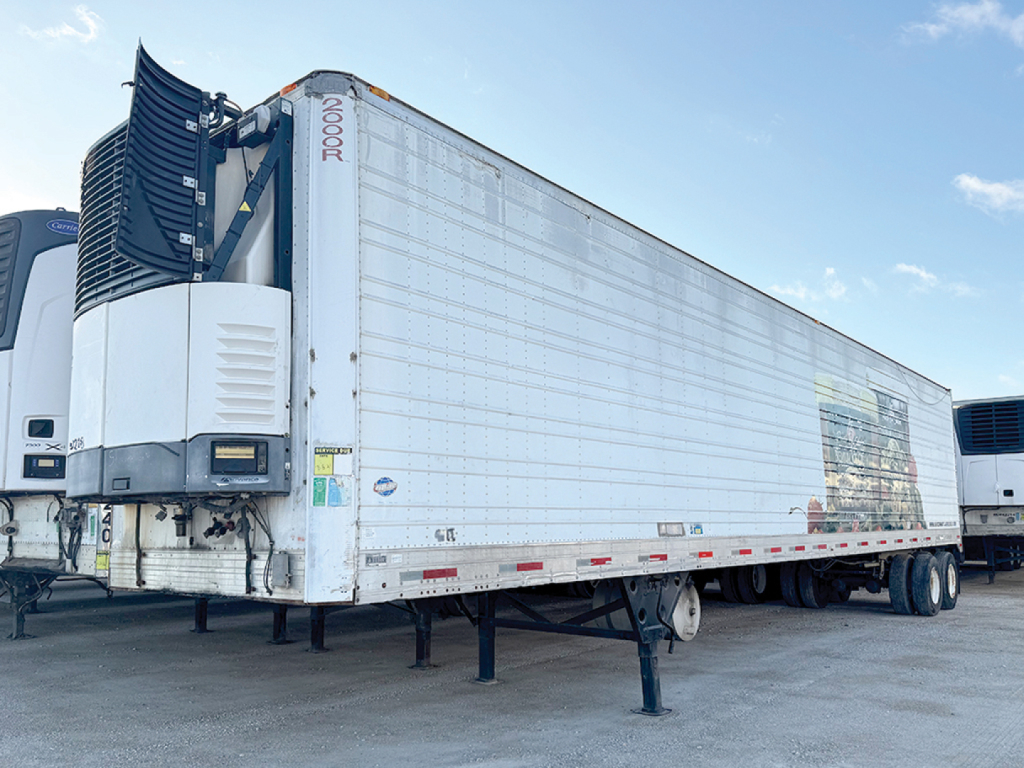
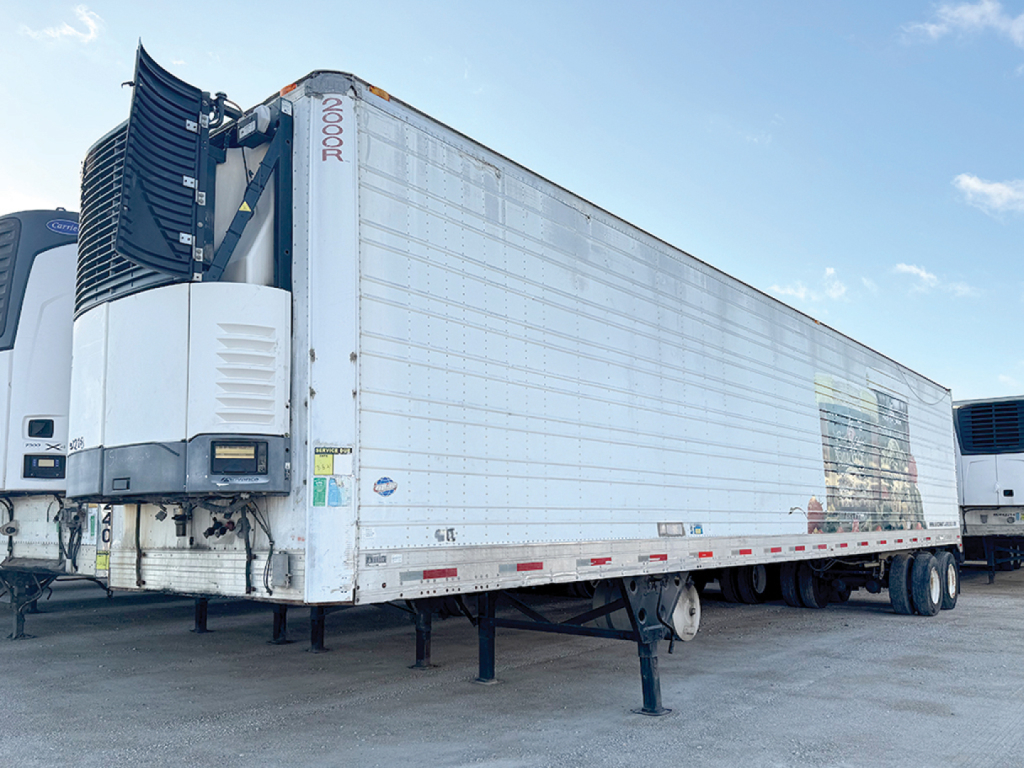
Most 1995 reefer trailers are 48-foot or 53-foot van trailers with aluminum or composite construction, air ride suspension, and either swing doors or roll-up rear doors. Common reefer unit brands include Thermo King and Carrier, but on older trailers it is not unusual to find a trailer being sold with an inoperable unit or with no unit installed at all. That makes it important to confirm if the trailer is road-ready reefer equipment, a seal-tight insulated van, or effectively a storage box. Buyers should inspect the evaporator area, bulkhead, chute, duct floor, scuff liners, and interior sidewalls for damage from forklifts, moisture intrusion, or patchwork repairs that can affect airflow and temperature hold.
For Texas operation, reefer performance in high ambient heat is a real issue. A trailer that can still hold setpoint in summer conditions is worth more than one that only performs in mild weather. Check the unit hours, maintenance records, fuel tank condition, controller operation, and whether the trailer has been updated with modern telematics or remains strictly manual. Suspension type, sliding tandem operation, tire size, wheel condition, and kingpin area wear also deserve close attention, especially if the trailer will be run in regular over-the-road service instead of yard duty. Older 1995 reefer trailers may also have lower inside height and earlier floor designs compared with later-model refrigerated trailers, which can affect pallet count and loading efficiency.
A well-kept 1995 reefer trailer can still fill a practical role when the application matches the equipment. Buyers hauling ice cream, frozen foods, dairy, meat, floral loads, or other sensitive freight should verify pull-down performance and return-air temperature stability under load, not just empty-box operation. If the intended use is dry freight or warehouse overflow, an older reefer without a working unit may still make sense because the insulated body, scuff protection, and sealed doors provide a more controlled environment than a standard dry van. The best value in this category usually comes from a trailer with a sound insulated body, a clean and repairable floor, and a reefer unit with documented service history.
Frequently Asked Questions
What should I inspect first on a 1995 reefer trailer?
Start with the trailer body and insulation system. On a 1995 reefer trailer, the shell, floor, roof, front wall, rear frame, and doors are expensive to repair and determine whether the trailer can still hold temperature. Look for soft spots in the floor, delamination, water intrusion, damaged scuff liners, poor door seals, and corrosion around the rear sill and kingpin area. After that, evaluate the refrigeration unit, because a serviceable unit does not add much value if the box cannot maintain temperature.
Is a 1995 reefer trailer still practical for over-the-road freight?
It can be, but only if the trailer is structurally sound and the reefer unit is dependable under real operating conditions. Older refrigerated trailers are often better suited to regional lanes, seasonal use, or dedicated customers with less demanding loading cycles than high-turn grocery work. For over-the-road service, buyers should verify unit hours, perform a temperature test, inspect the suspension and running gear, and confirm the trailer still meets the operational expectations of the shipper and carrier.
Can an older reefer trailer be used without a working refrigeration unit?
Yes. Many older reefer trailers are purchased as insulated storage trailers or as insulated vans for freight that benefits from a more stable interior environment. If the reefer unit is missing or inoperative, the trailer can still have value if the floor, doors, and insulated body are in good condition. Buyers should be clear about the application, because a non-running unit changes the trailer from active refrigerated equipment to a passive insulated trailer.
What reefer features are most important on an older trailer?
Airflow and seal quality are usually the most important. A good duct floor, intact bulkhead or cold chute, solid rear doors, and tight door gaskets do more for temperature consistency than many buyers realize. On older units, also pay close attention to unit hours, fuel system condition, controller functionality, evaporator cleanliness, and evidence of regular preventive maintenance. A trailer with documented upkeep is typically a safer buy than one with a recently painted exterior and no service history.
Why does Texas climate matter when buying a used reefer trailer?
Texas heat exposes weaknesses in both the refrigeration unit and the insulated trailer body. A reefer trailer that seems acceptable in cooler weather may struggle with pull-down times, cycle excessively, or fail to hold setpoint during summer loading and unloading. Buyers in Texas should place extra emphasis on condenser performance, insulation condition, door seals, and actual temperature-hold testing in warm conditions before putting an older reefer trailer into service.