
1992 Trailers For Sale
Shop 1992 trailers for sale, including dry vans, flatbeds, reefers, and specialty trailers. Compare specs, axle setups, floors, and condition.
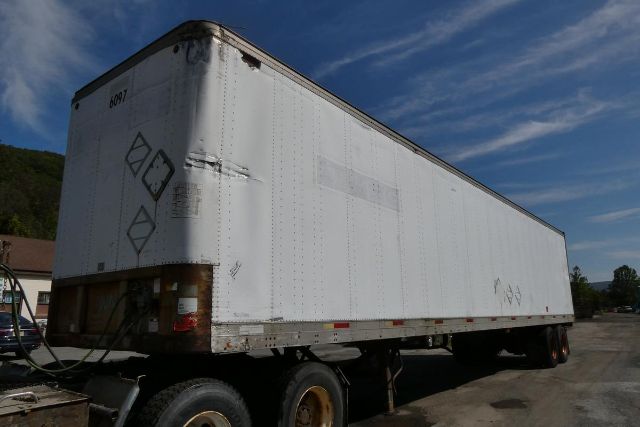

Selling a 1992 trailer? List your 1992 trailer for sale and reach thousands of commercial buyers.
1992 Trailers
For van and reefer buyers, body integrity matters first. Check roof bows, side posts, scuff liners, threshold plates, door frames, floor wear, and signs of water intrusion. A 1992 dry van or refrigerated trailer may have seen multiple floor repairs, patch panels, and door replacements over its service life, so look closely at interior dimensions, lining condition, and rear closure type such as swing or roll-up doors. Reefer buyers should also verify the condition and age of the refrigeration unit, insulation performance, chute or air delivery setup, and whether the trailer still holds temperature efficiently enough for the freight you plan to haul.
For flatbeds and open-deck trailers, the main buying decision usually comes down to deck condition and structural soundness. Inspect the main beams, crossmember spacing, side rails, winch track, sliding winches, landing gear, and kingpin area for cracks, corrosion, and past repairs. Older flatbeds may have steel or aluminum construction, wood or apitong flooring, fixed or sliding tandem axles, and either spring ride or air ride suspension. If your lanes involve heavy coils, machinery, or building materials, pay attention to concentrated load areas, bulkhead configuration, tie-down equipment, and whether the trailer geometry still tracks properly under load.
Across all 1992 trailers, expect buyers and inspectors to pay close attention to brake condition, tire size and age, wheel type, axle spacing, suspension wear, lighting, ABS status where applicable, and VIN legibility. Common specs in the market include 45-foot to 53-foot lengths, 96-inch or 102-inch widths, tandem axles, sliding tandems, and 22.5-inch rubber. The best value in this age group usually comes from a trailer with documented maintenance, a solid frame, and components that are standard enough to keep parts sourcing manageable. A lower purchase price can be attractive, but downtime from structural repairs, floor replacement, or obsolete components can erase that advantage quickly.
Frequently Asked Questions about 1992 Trailers
What should I inspect first on a 1992 trailer?
Start with the frame, crossmembers, suspension, brakes, floor, roof, and door structure because those items drive repair cost fastest. On an older trailer, cosmetic issues are less important than structural corrosion, cracked welds, rotten flooring, leaking roofs, worn bushings, bad air system components, and axle alignment problems. Tire condition, wheel ends, lighting, and landing gear should also be checked closely before putting the trailer into service.
Are 1992 trailers still usable for commercial freight?
Yes, many 1992 trailers can still handle commercial work if they are structurally sound, legal, and matched to the right application. Older trailers are often best suited for regional haul, farm use, storage, dedicated contracts, scrap, construction support, or lower-mileage operations where appearance matters less than function. The key is confirming current condition, repair history, and whether the trailer meets your customer's loading and compliance requirements.
What trailer types are common in the 1992 model year?
The 1992 market often includes dry vans, flatbeds, refrigerated trailers, curtainsides, and other specialized trailer types. Typical configurations include tandem axles, sliding tandems, 45-foot to 53-foot lengths, and 96-inch or 102-inch widths. Construction may be steel, aluminum, or a combination design, with wood or composite floors depending on trailer type and prior repairs.
Is a 1992 reefer trailer worth buying?
A 1992 reefer trailer can make sense if the box is still tight and the refrigeration system is serviceable, but reefer purchases in this age range require more scrutiny than a dry van or flatbed. Buyers should evaluate insulation performance, floor condition, door seals, reefer unit hours, parts availability, and the cost to keep the unit compliant and dependable. If temperature control is critical, a low purchase price does not offset poor cooling performance or hard-to-source reefer components.
How do I judge value on an older trailer like a 1992 model?
Value comes from usable life remaining, not just purchase price. A 1992 trailer with solid structure, straight alignment, good brakes, healthy tires, standard running gear, and documented maintenance can be a better buy than a cheaper unit needing floors, suspension work, or major structural repair. Buyers should compare specification fit, expected annual mileage, parts support, and immediate reconditioning cost before making a decision.