
1972 Trailers For Sale
Compare used trailers for sale, including dry vans, dump trailers, and drop decks, with key specs, applications, and buying considerations.
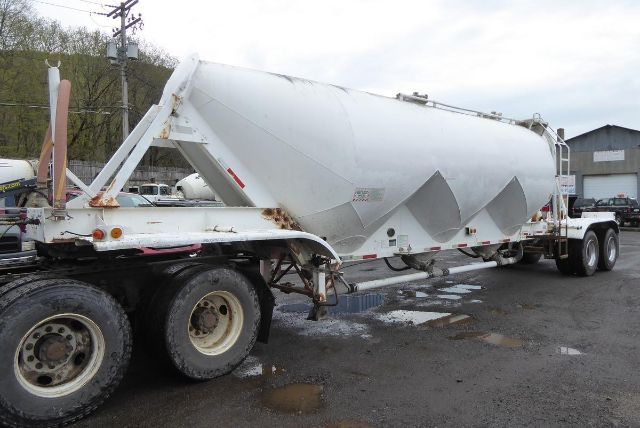
Selling a 1972 trailer? List your 1972 trailer for sale and reach thousands of commercial buyers.
1972 Trailers
Across the trailer market, the key specs that matter most are length, width, suspension, axle configuration, flooring, door style, and overall weight. Van trailers are often found in 45-foot and 53-foot lengths, typically 102 inches wide, with features like plywood lining, scuff liners or scuff plate, wood floors, E-track or logistics posts, roll-up or swing doors, sliding tandems, and air ride suspension. Buyers comparing enclosed trailers should pay close attention to inside height, roof condition, sidewall construction, rear frame wear, threshold plate condition, and signs of floor rot or repeated forklift damage. Tire inflation systems, disc wheels, and undertray storage can also add value depending on the route profile and maintenance program.
For dump trailers, material spec matters more than brand decals. Round bottom and half round bodies are popular for faster unloading and reduced carryback, while square bodies may suit different bulk commodity needs. Body steel such as AR plate is important in abrasive applications, and buyers should inspect the tub, crossmembers, hoist mounts, hinge points, tarp system, and axle alignment closely. On drop deck trailers, deck length split, loaded deck height, kingpin setting, crossmember spacing, ramp style, winch track layout, and deck material all affect how well the trailer fits machinery, steel, or construction freight. A beavertail can improve loading angle for equipment, while air ride helps protect sensitive loads.
Condition and intended lane matter more than model year alone. A well-maintained older trailer can still be productive if brakes, suspension, tires, structural members, and landing gear are sound. Buyers should also consider regional freight laws, bridge formulas, tandem slide needs, and dock compatibility before narrowing down a trailer. The right trailer is the one that matches the freight, loading method, legal weight targets, and maintenance expectations of the operation.
Frequently Asked Questions about 1972 Trailers
What should I look at first when comparing trailers for sale?
Start with trailer type and intended use. A dry van, dump trailer, and drop deck serve completely different freight. After that, focus on length, axle setup, suspension, floor or deck condition, body construction, and door or loading configuration. Those factors affect payload, legality, loading efficiency, and long-term repair cost far more than appearance alone.
What is the difference between a dry van trailer and a drop deck trailer?
A dry van is an enclosed trailer used to protect palletized or boxed freight from weather and theft. A drop deck trailer has an open deck with a lower main deck height, allowing taller freight to move legally compared with a standard flatbed. Dry vans are built around dock loading and enclosed cargo control, while drop decks are built around oversized or irregular freight that needs top, side, or rear loading.
How do I evaluate a used dump trailer?
Inspect the body material, floor thickness, sidewall condition, hoist system, rear gate, tarp system, suspension, and axle alignment. Look closely for cracking around hinge points, weld repairs, stress near the hoist mounts, and signs of body distortion from heavy or abrasive material. On steel bodies, check for thinning, rust, and patchwork that may indicate hard aggregate or demolition service.
Why do sliding tandems matter on a trailer?
Sliding tandems let the axle group move to help balance axle weights, meet bridge law requirements, and improve loading flexibility. On van trailers in particular, a sliding tandem is important for scaling legal on different loads and for adjusting trailer position at docks. The slide rail condition, locking pin engagement, and evidence of corrosion or impact damage should all be checked on a used trailer.
Are older trailers still worth buying?
Yes, if condition, specification, and maintenance history fit the job. An older trailer with solid structure, healthy running gear, and usable floors or deck surfaces can still deliver good service life. The better question is not just age, but whether the trailer has the right specs for the freight and whether upcoming repairs on brakes, tires, suspension, doors, or structural components make financial sense.