
Tank Trailers For Sale in Pennsylvania
Browse tank trailers for sale in Pennsylvania, including petroleum and chemical tankers with common specs, capacities, DOT ratings, and features.
No exact matches found for your search
Showing Tank Trailers instead.
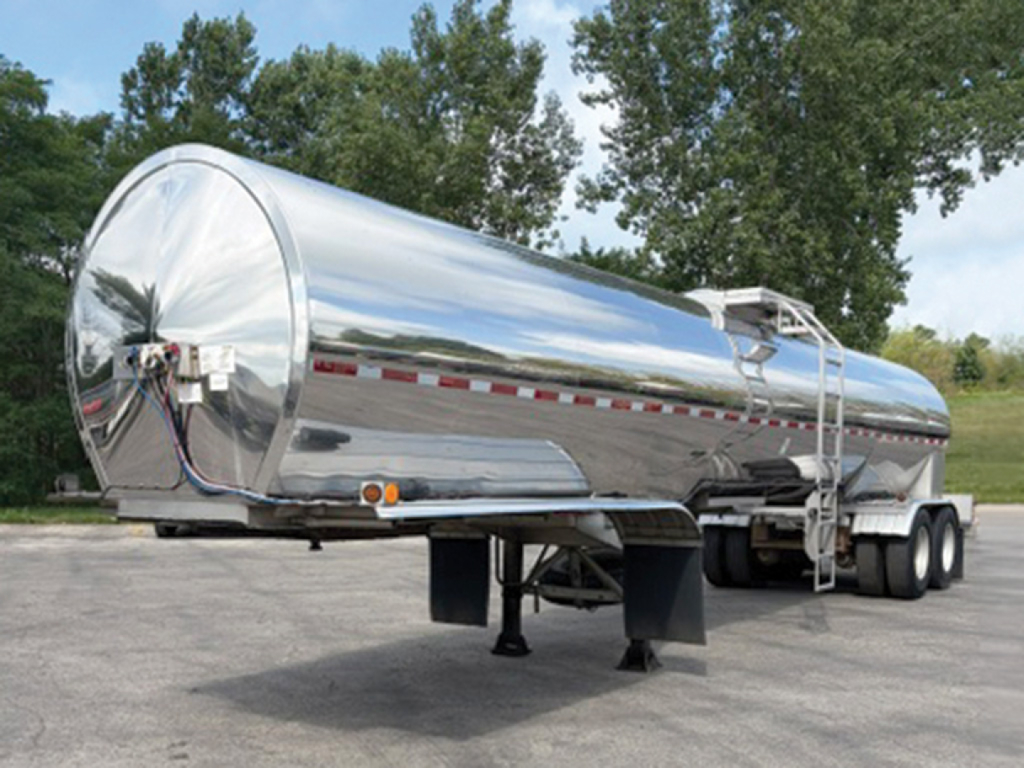
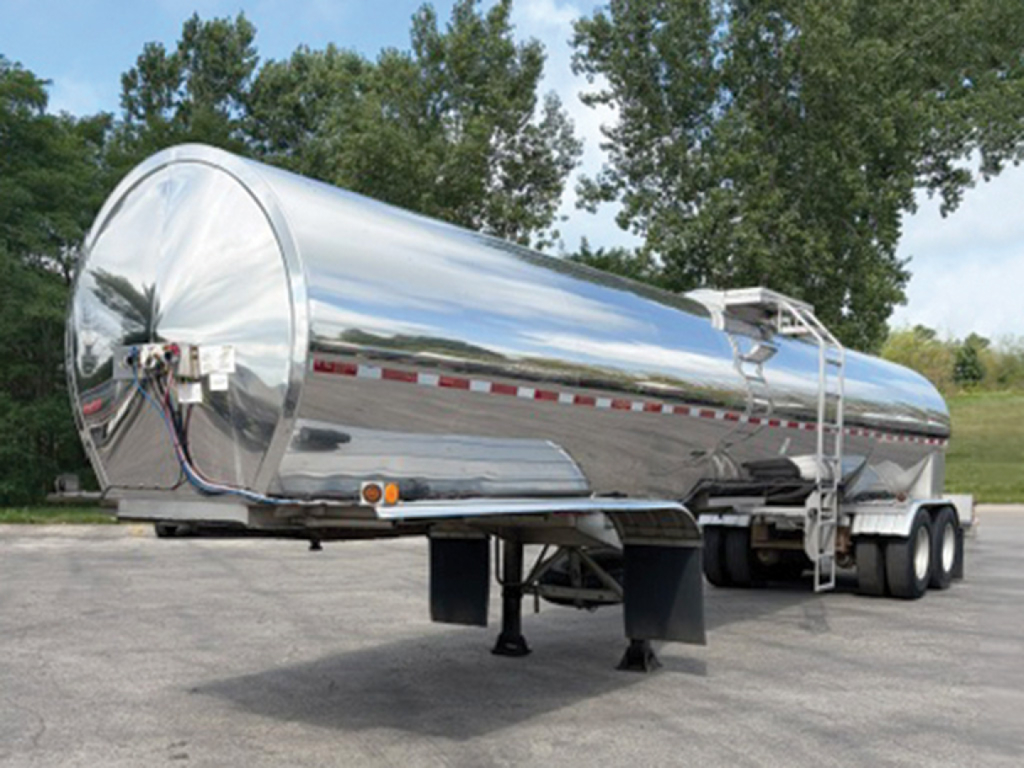
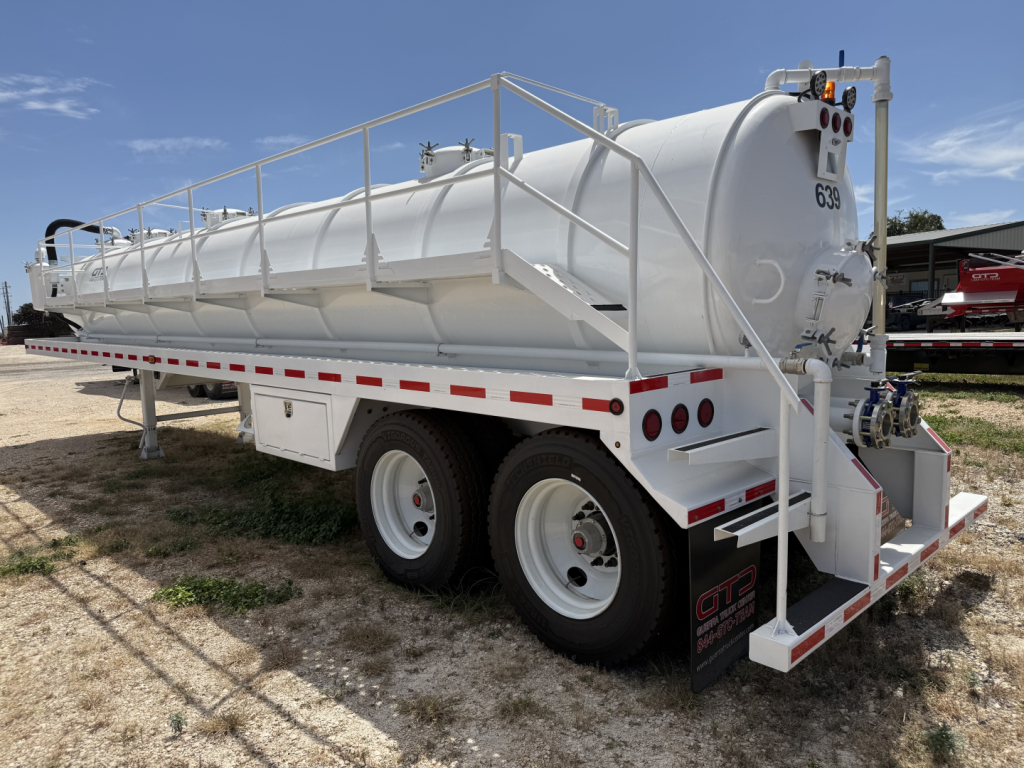
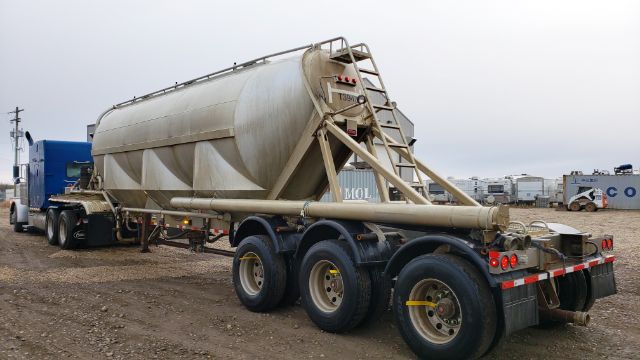

Selling a tank trailer? List your tank trailer for sale and reach thousands of commercial buyers.
Tank Trailers in Pennsylvania
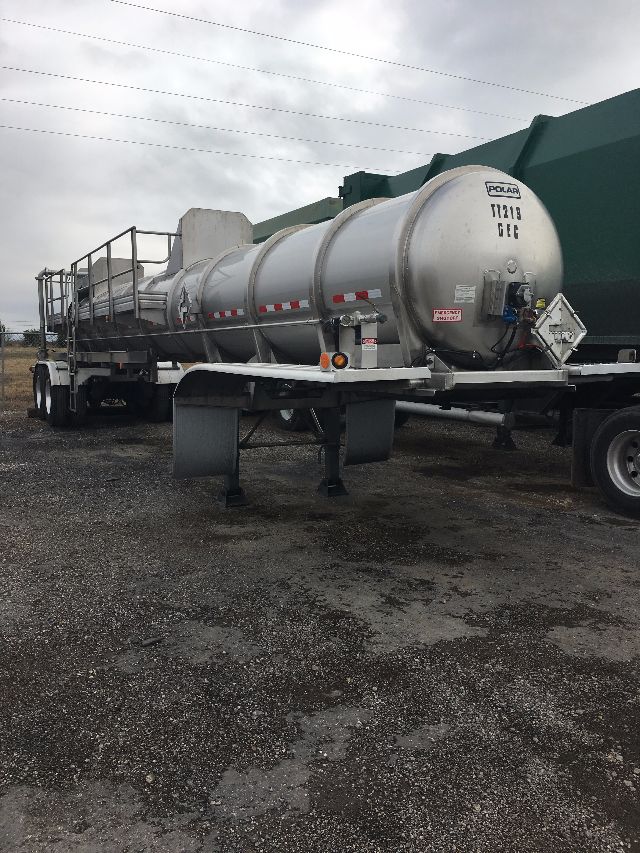
Capacity, barrel shape, and material all affect payload and route efficiency. Aluminum petroleum trailers commonly run in the 9,000 to 9,500 gallon range and are popular for their lighter tare weight, corrosion resistance, and strong payload advantage. Stainless steel tank trailers are often selected for chemical service or higher-corrosion applications, though they typically carry more weight. Common barrel designs include elliptical, straight round, and double conical, each with tradeoffs in center of gravity, drainage, and product movement. Compartment count matters for multi-stop delivery work, especially in retail fuel distribution, where split loads help maximize flexibility.
A buyer should also pay close attention to unloading equipment and running gear. Side discharge and center discharge setups each have operational advantages depending on rack layout, plant design, and hose routing. Typical specs include 4-inch piping, hose tubes or hose troughs, cabinet storage, air ride suspension, aluminum or steel subframes, and disc or drum brake setups. Features such as steam heat, in-transit heat, vapor recovery, tire inflation systems, and super singles can be valuable depending on the lane and commodity. In Pennsylvania, where routes may include urban fuel stops, rolling terrain, and winter weather, brake condition, suspension performance, and current test status are all worth verifying before purchase.
Used tank trailers should be evaluated beyond age and appearance. Confirm the tank code, test and inspection status, manhole count, compartment integrity, lining or barrel condition, and signs of prior weld or shell repair. Check for leaks around valves and piping, inspect suspension components and wheel ends, and review the frame or subframe for corrosion, especially on older northeastern equipment. A well-matched tank trailer can improve payload, reduce unload time, and keep the trailer compliant with the product it is intended to haul.
Frequently Asked Questions about Tank Trailers in Pennsylvania
What is the difference between a DOT 406 and a DOT 407 tank trailer?
A DOT 406 tank trailer is typically used for petroleum and other flammable liquid service at lower pressure, while a DOT 407 tank trailer is commonly used for chemical and hazardous liquid applications that may require a higher pressure rating and different fittings. The correct code depends on the commodity being hauled, so buyers should verify product compatibility, required placarding, and current certification before putting a trailer into service.
How many compartments should a petroleum tank trailer have?
That depends on the delivery profile. A one-compartment tank works well for hauling a single product in bulk, but retail fuel delivery often requires three or four compartments so the trailer can carry multiple grades or split loads for several stops. More compartments add flexibility, but they also add complexity in valves, piping, and maintenance.
Is aluminum or stainless steel better for a tank trailer?
Aluminum tank trailers are common in petroleum service because they are lighter and help maximize payload. Stainless steel is often preferred for chemical service and corrosive products because of its durability and compatibility with a wider range of commodities. The better choice depends on the product, tare weight target, maintenance expectations, and the trailer code required for the job.
What should I inspect first on a used tank trailer?
Start with the tank code plate, inspection and test records, barrel condition, compartments, valves, and discharge piping. Then inspect the suspension, brakes, wheel ends, tires, frame or subframe, and any evidence of corrosion or shell repair. For petroleum and chemical trailers, overfill systems, vapor recovery equipment, and manway condition should also be checked because these items directly affect compliance and day-to-day usability.
Are heated tank trailers common in this category?
Heated tank trailers are common in certain liquid applications where the product must stay pumpable or within a temperature range during transit and unloading. Steam heat and in-transit heat are more often seen on chemical or specialty liquid tanks than on standard petroleum trailers. Buyers should confirm the heating system type, condition, and suitability for the product they plan to haul.