
Tank Trailers For Sale in Ohio
Browse tank trailers for sale in Ohio, including fuel and liquid haul models with common specs, capacities, safety systems, and axle setups.
No exact matches found for your search
Showing Tank Trailers instead.
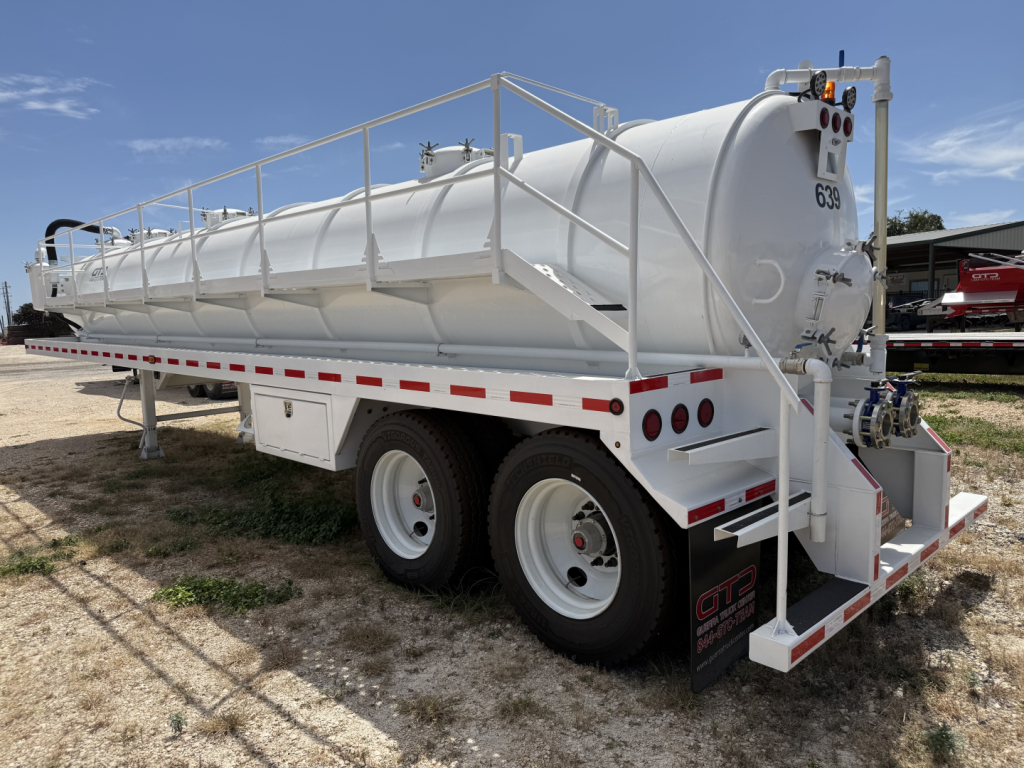
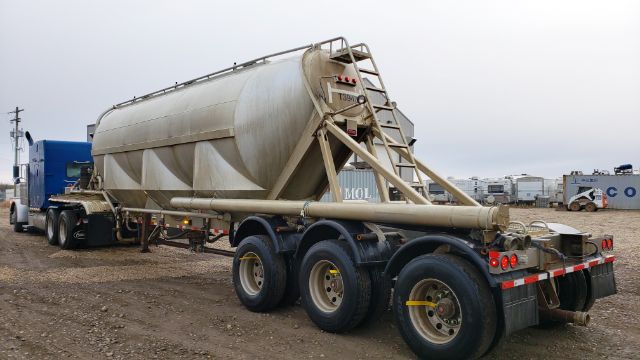
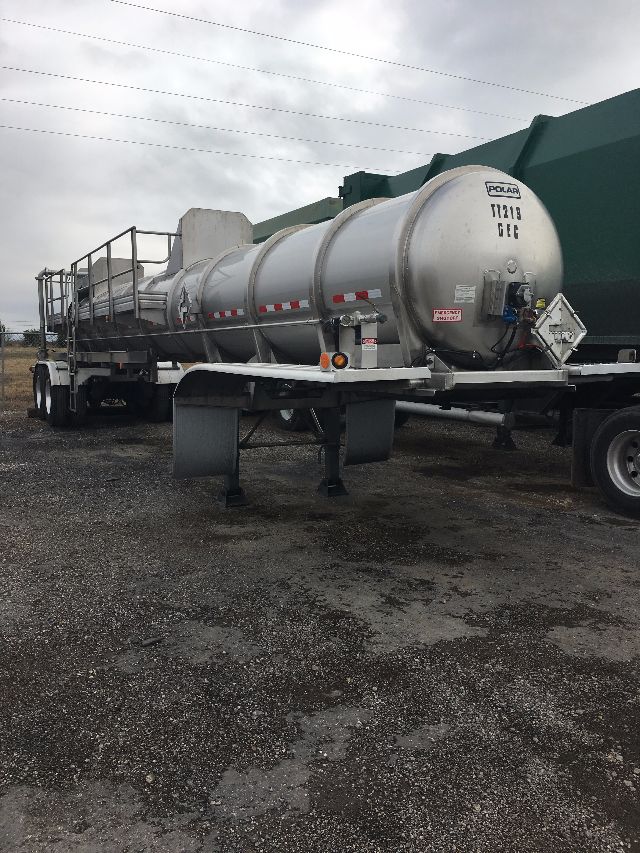

Have tank trailer to sell? List it here to reach thousands of buyers.
Tank Trailers in Ohio
A common spec in this category is a tandem axle aluminum tank trailer in the 9,000 to 9,500 gallon range with a double taper barrel. That design helps with drainage, weight distribution, and multi-stop fuel delivery. Buyers should compare compartment sizes closely because a 4-compartment setup such as 3,500, 2,000, 1,200, and 2,800 gallons fits a very different delivery pattern than a trailer with fewer or more evenly split compartments. Double bulkheads, air-operated emergency valves, optic overfill systems, vapor outlets, and clear sight glass placement all affect safety, compliance, and day-to-day unloading efficiency.
Running gear and serviceability are just as important as the tank itself. Many fuel tank trailers are spec'd with Hendrickson air ride suspension, 11R22.5 rubber, aluminum wheels, two-speed landing gear, and an adjustable kingpin setting to help match axle weights and bridge law needs. Hose trays, fittings cabinets, EVO boxes, rear ladders, work lights, placard systems, and cone holders may seem secondary, but they make a real difference for route work and terminal operations. On a used trailer, inspect the barrel, barrel saddles, piping, and suspension for corrosion, repairs, and signs of product compatibility issues.
The best tank trailer is the one matched to the commodity, loading rack, and delivery profile. A gasoline trailer is not interchangeable with every liquid application, and code, compartment design, and unloading system have to align with the work. Buyers comparing tank trailers for sale should pay close attention to material, gallon capacity, compartment configuration, code rating, suspension, and safety system brand compatibility, especially if the trailer needs to fit an existing fleet maintenance program.
Frequently Asked Questions about Tank Trailers in Ohio
What is the most important factor when buying a tank trailer?
The most important factor is matching the trailer to the commodity and legal code requirement. Fuel, chemicals, milk, asphalt, and dry bulk all use different tank designs, materials, and safety systems. For petroleum service, buyers often look for DOT 406 specifications, bottom loading, vapor recovery, and overfill protection. If the trailer does not match the product and unloading setup, it can create compliance problems and limit where it can be used.
Why do compartment sizes matter on a fuel tank trailer?
Compartment sizes determine how efficiently the trailer can serve multi-stop routes and carry multiple grades of product. Total capacity alone does not tell you how useful the trailer will be in actual delivery work. A trailer with four compartments can haul different products or split loads for several customers, but the individual compartment capacities must fit the delivery pattern. Poor compartment sizing can leave capacity unused or force extra trips.
Are aluminum tank trailers better than steel tank trailers?
Aluminum tank trailers are popular because they reduce empty weight and help maximize payload, especially in petroleum hauling. They also offer good corrosion resistance in many liquid applications. Steel still has a place in certain commodities and operating environments where strength, product compatibility, or temperature considerations drive the spec. The better choice depends on what you haul, the code requirement, and long-term maintenance expectations.
What should I inspect on a used tank trailer?
A used tank trailer should be inspected for barrel condition, weld quality, prior repairs, corrosion, lining or material compatibility, and the condition of piping and valves. Buyers should also check suspension components, brakes, tires, wheels, landing gear, lights, and cabinet structure. On petroleum trailers, verify the operation and certification status of the overfill system, vapor recovery equipment, emergency valves, and any optic sensors. Maintenance records and pressure or leak test history can be just as important as visual condition.
What axle and suspension setup is common on tank trailers?
Tandem axle configurations are very common because they balance payload, maneuverability, and legal weight distribution for regional and local hauling. Air ride suspension is also widely used because it helps protect the tank structure and improve ride quality. Buyers should still verify axle ratings, tire size, wheel material, and kingpin setting because those details affect bridge compliance, tractor pairing, and service costs.