
New Parts For Sale in Florida
Have new part to sell? List it here to reach thousands of buyers.
New Parts in Florida
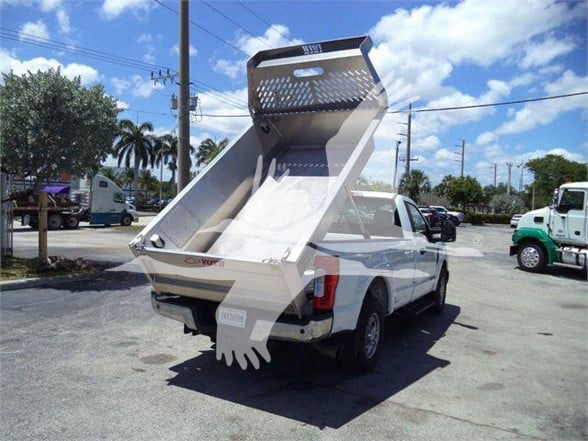
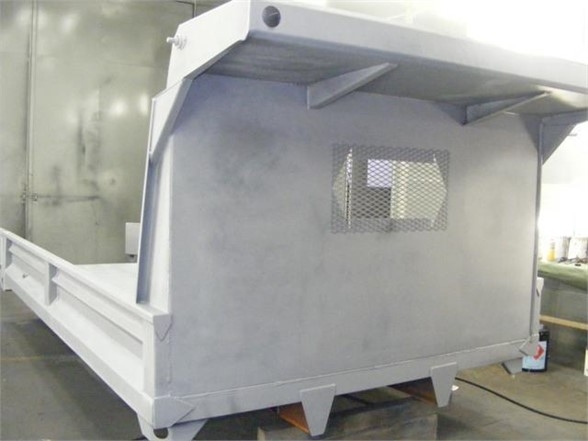
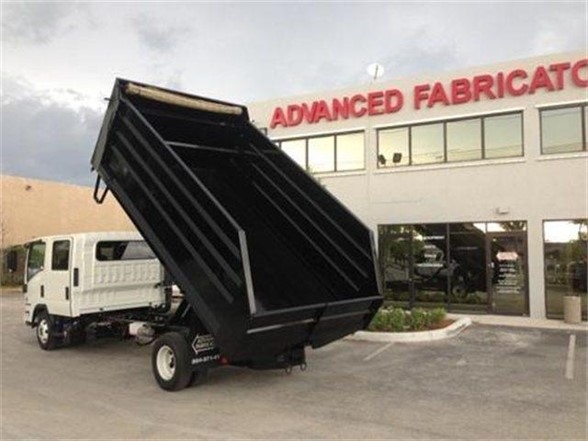
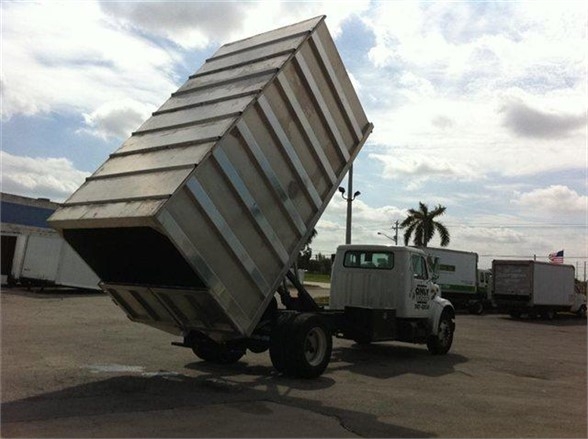
Dump bodies remain one of the most common new work truck body purchases because they can be configured for construction debris, landscaping material, tree work, trash, and municipal use. Common specs include steel or aluminum construction, 3/16-inch floors, channel crossmembers on close centers, reinforced longsills, barn doors or combination tailgates, bulkheads with or without windows, tarp systems, mud flaps, and FMVSS-compliant lighting. Aluminum bodies cut weight and help with corrosion resistance in Florida’s humid and coastal environments, while steel bodies usually make sense for harder aggregate, demolition, and severe-duty cycles. Hoist choice also matters. Electric-over-hydraulic setups are simple and popular on lighter applications, while PTO-driven telescopic or scissor hoists are better suited for higher cycle counts and heavier payload demands.
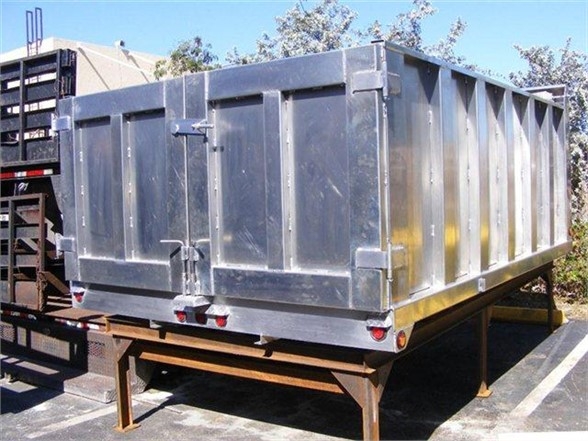
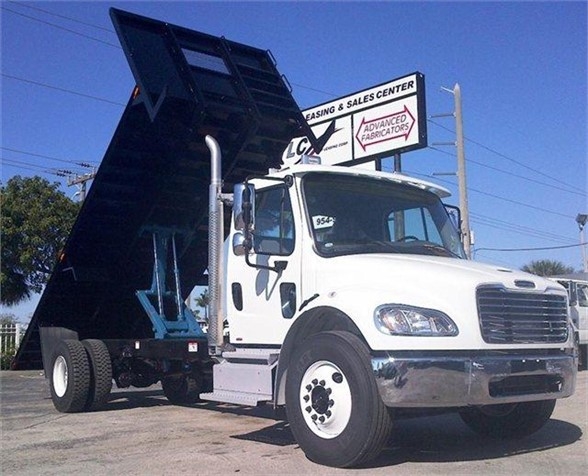
Flatbed dump bodies and insert-style dump units fill a different niche. A flatbed dump body combines deck space with dump capability, which is useful for palletized material, equipment, and bulk loads on the same truck. Buyers should look closely at deck plate thickness, side rail design, tie-down points, winch options, bulkhead height, hitch provisions, and rear bumper layout. Dump inserts are typically a lower-cost path for adding dumping capability to an existing pickup or chassis body, but payload, center of gravity, cylinder design, and power pack quality deserve close attention. Chipper dump bodies are purpose-built for arborist and vegetation crews, usually with tall sides, enclosed tops or roof sections, and barn doors that contain light but bulky loads efficiently.
For new parts and body equipment in this category, installation details are as important as the body itself. Verify frame mounting method, clearances behind the cab, lighting integration, tarp access, mud flap placement, and any chassis modifications needed for exhaust, transmission PTO, or hydraulic plumbing. In Florida, corrosion protection, sealed wiring, and durable paint or raw aluminum construction can make a noticeable difference in service life. Buyers who match the body material, hoist system, and dimensions to the truck’s actual duty cycle usually get better uptime, cleaner installs, and fewer expensive rework issues after delivery.
Frequently Asked Questions about New Parts in Florida
What should I verify before buying a new dump body or truck body assembly?
Start with chassis fitment. Confirm cab-to-axle, frame width, axle placement, wheelbase, and gross vehicle weight rating so the body sits correctly and keeps legal weight distribution. Then verify hoist type, PTO compatibility if required, lighting and wiring integration, and clearance for bulkhead, tarp system, hitch, and rear accessories. A body that looks right on paper can still require expensive changes if the truck and body specs are not matched correctly.
Is aluminum or steel better for a new truck body in Florida?
It depends on the application. Aluminum is popular in Florida because it resists corrosion well, reduces empty weight, and can improve payload on lighter materials such as debris, mulch, chips, and refuse. Steel is usually preferred for abrasive or high-impact loads such as concrete, demolition material, and heavy aggregate because it handles severe-duty use well. The best choice comes down to payload goals, operating environment, and how abusive the material is on the floor, sides, and tailgate.
What is the difference between electric-over-hydraulic and PTO-driven hoists?
Electric-over-hydraulic hoists use a 12-volt power unit and are common on lighter-duty dump applications because installation is relatively simple and the system is self-contained. PTO-driven hoists draw power from the transmission and are generally better for frequent dumping, heavier loads, and commercial duty cycles where sustained hydraulic performance matters. If the truck already supports PTO equipment, a PTO hoist can be the better long-term solution for uptime and lifting consistency.
Are dump inserts a good alternative to a full dump body?
A dump insert can be a practical option when the goal is to add dumping capability without replacing the entire body or moving into a full vocational chassis build. They work well for lighter-duty landscaping, property maintenance, and small contractor use. Buyers should still pay attention to payload reduction, bed compatibility, cylinder arrangement, and the quality of the power unit and tailgate design. For heavier commercial use, a purpose-built dump body is usually the stronger and longer-lasting choice.
What features matter most on a chipper dump body?
Side height, roof design, rear door configuration, and overall body material matter most because chipper bodies are built for bulky organic material rather than dense payloads. Tall aluminum sides and enclosed tops help contain chips efficiently, while barn doors and reinforced bulkheads improve loading and unloading. Buyers should also check crossmember spacing, longsill strength, lighting protection, and how the body integrates with chipper operations, towing needs, and crew access around the truck.