
New Dump Body Parts For Sale in Florida
Have new dump body part to sell? List it here to reach thousands of buyers.
New Dump Body Parts in Florida
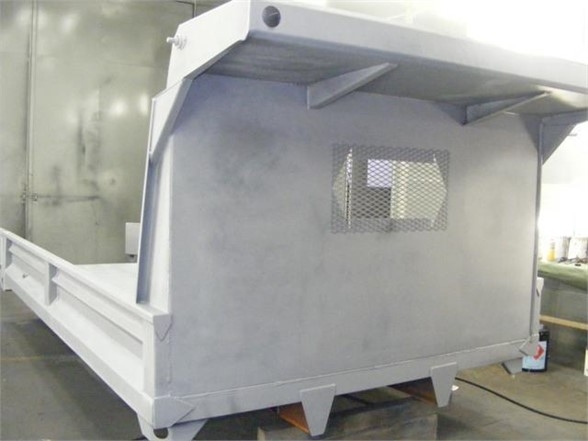
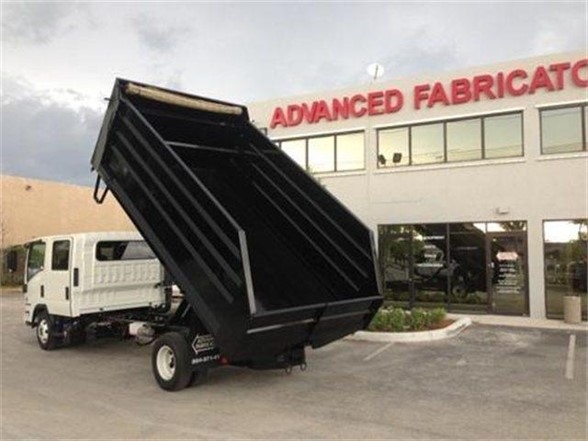
The first question is usually structural fit. Dump body parts have to match body length, width, wall height, floor thickness, crossmember spacing, and hoist geometry. A 12 foot landscape body with 3 inch channel crossmembers on 12 inch centers needs different replacement components than a 16 foot chipper body with taller sides, roof structure, and aluminum channel construction. Buyers should confirm deck material thickness, side wall gauge, door opening dimensions, hinge placement, and longsill size before ordering major parts. If the body uses electric-over-hydraulic equipment, verify pump specifications, reservoir capacity, control style, and voltage requirements so the hoist system works correctly with the chassis and body payload range.
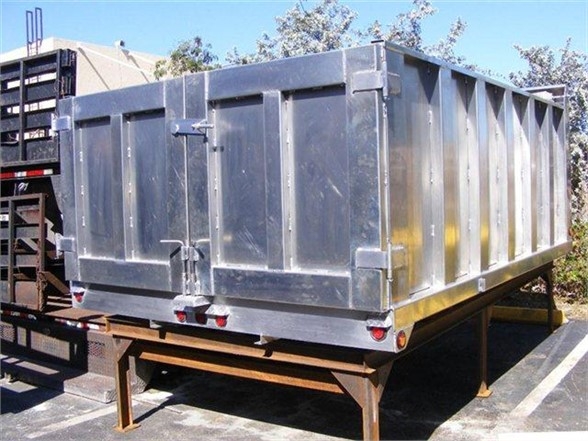
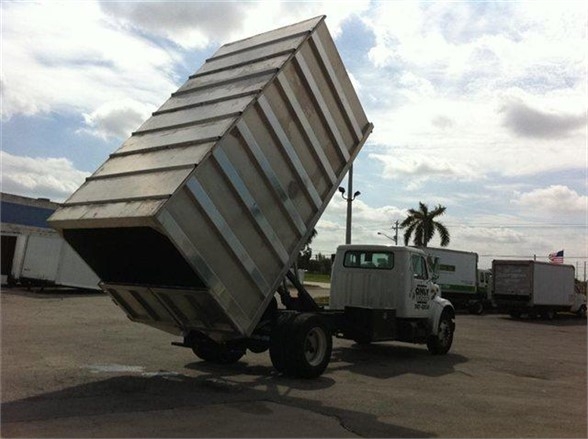
Material choice has a direct effect on payload, durability, and repair cost. Steel dump body parts are common where abrasion resistance and lower upfront cost matter most, especially on contractor, debris, and general construction bodies. Aluminum parts are often preferred for chipper, trash, and leaf bodies because they cut tare weight and resist corrosion, which is valuable in humid coastal environments. Door style and tarp setup also matter more than some buyers expect. Barn doors with chain holdbacks are common on landscape and debris applications, while enclosed chipper bodies may require taller rear doors, roof sections, and specific latch hardware. Manual crank tarps remain popular for simplicity, but buyers replacing tarp components should also check roller width, bow compatibility, mesh versus solid material, and mounting points.
A smart buyer treats dump body parts as system components, not one-off replacements. Lighting should meet FMVSS 108 requirements. Hitch components should be rated for the trailer and electrical connection being used, including receiver size and 7-way plug setup where applicable. Reinforcement around bulkheads, cab shields, and rear sill areas is worth close attention because those zones see repeated stress in loading and dumping cycles. For any new dump body part, accurate measurements and intended application are what separate a clean install from fabrication delays. If the truck handles mulch, brush, aggregate, demolition debris, or municipal clean-up, the right part is the one that matches both the body design and the work cycle, not just the nominal body length.
Frequently Asked Questions about New Dump Body Parts in Florida
What dump body parts are most commonly replaced or upgraded?
The most commonly replaced or upgraded dump body parts include hoists, tarp systems, barn doors, hinges, latches, lighting, mud flaps, crossmembers, longsills, bulkheads, and hitch assemblies. Wear points usually show up first around rear door hardware, hoist mounts, floor structure, and electrical components exposed to moisture and debris. Buyers often upgrade tarps, lights, and hitch equipment at the same time because those items affect daily usability and compliance.
How do I match a new dump body part to my existing body?
Start with exact measurements and construction details, not just the advertised body length. Confirm body width, floor thickness, side height, door dimensions, crossmember spacing, longsill size, hinge location, and material type. For hydraulic components, confirm hoist type, power source, voltage, pump specifications, and mounting geometry. Many fitment problems come from assuming one 14 foot or 16 foot dump body is built like another when channel sizes, wall design, and hardware placement can vary widely by manufacturer and application.
Is aluminum or steel better for dump body parts in Florida?
That depends on the job and the operating environment. Aluminum offers strong corrosion resistance and lower weight, which is useful in Florida humidity and coastal conditions and can help preserve payload on chipper, trash, and light debris applications. Steel is usually favored where impact resistance, abrasion resistance, and lower initial cost are priorities, especially in heavier construction or demolition service. The right answer depends on payload, material handled, exposure to salt air, and how the body is maintained.
What should I check before buying a replacement hoist or electric-over-hydraulic component?
Check the body length, body weight, expected payload, hinge geometry, mounting space, and the electrical system on the truck. Electric-over-hydraulic hoists must be matched to the body’s operating range and duty cycle, and the pump, controls, reservoir, and wiring need to be compatible with the chassis. It is also important to verify whether the setup is intended for insert replacement, full hoist replacement, or a new body installation because mounting and performance requirements differ.
Do lighting and rear hardware on dump bodies need to meet specific standards?
Yes. Exterior lights and reflectors should meet FMVSS 108 requirements, and rear door hardware should be selected with load security and repeated dump cycles in mind. Buyers should also confirm that wiring is protected from abrasion and moisture, especially on trucks that work in rain, mud, or coastal environments. On bodies with hitches or trailer connections, electrical plugs and brake-related components should match the towing setup to avoid operational and inspection issues.