
New Dump Body Parts For Sale
Have new dump body part to sell? List it here to reach thousands of buyers.
New Dump Body Parts
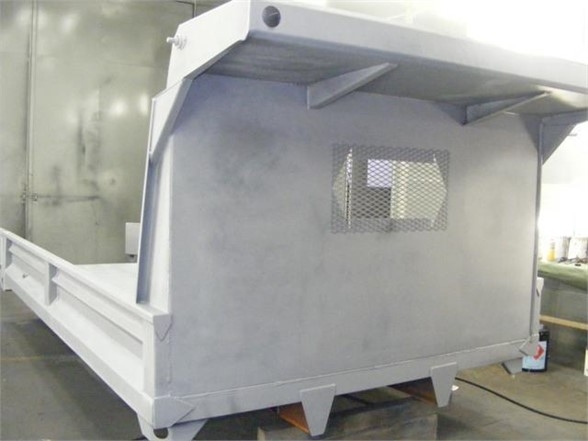
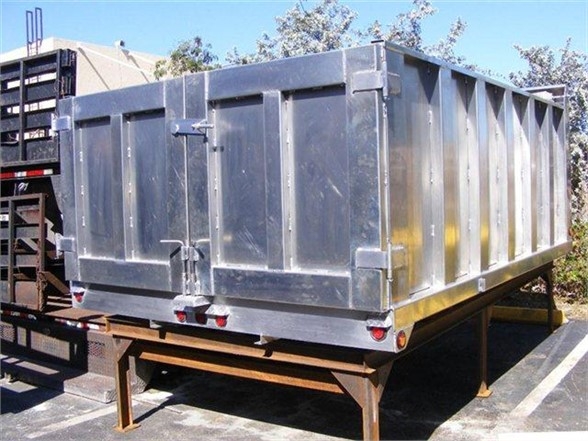
Common dump body parts in this category can include barn doors, tailgate assemblies, bulkheads, cab protectors, side panels, floors, crossmembers, longsills, tarp systems, mud flaps, light kits, hitch components, and hoist-related hardware. Buyers replacing structural sections should pay close attention to plate thickness such as 3/16-inch floors, side wall gauge, and reinforcement details like V-stamps, formed posts, and channel crossmembers on 12-inch or 16-inch centers. Those details affect body rigidity, resistance to oil-canning, and long-term durability under repeated loading and dumping cycles. If the truck sees mulch, brush, or chipper work, taller side packages and roof sections may be more important than heavy floor thickness. If the body handles aggregate, demo debris, or hardscape material, heavier steel floors, stronger door frames, and robust hinge areas usually move to the top of the list.
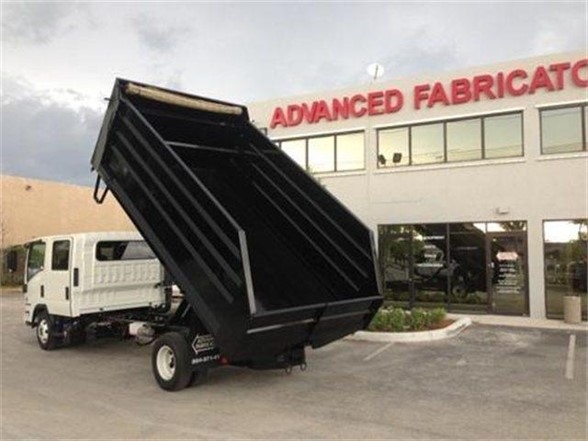
Hoist and electrical compatibility are another major buying point. Electric-over-hydraulic systems are common on lighter dump body setups, and replacement parts need to match cylinder stroke, pump capacity, reservoir design, and control layout. Lighting should meet FMVSS 108 requirements, and it is worth confirming connector type, harness routing, and rear light protection if the truck operates around debris. Tarp assemblies, side steps, grab handles, hitch plates, receiver tubes, and trailer plugs also deserve a closer look because these smaller components affect daily usability and jobsite safety more than many buyers expect.
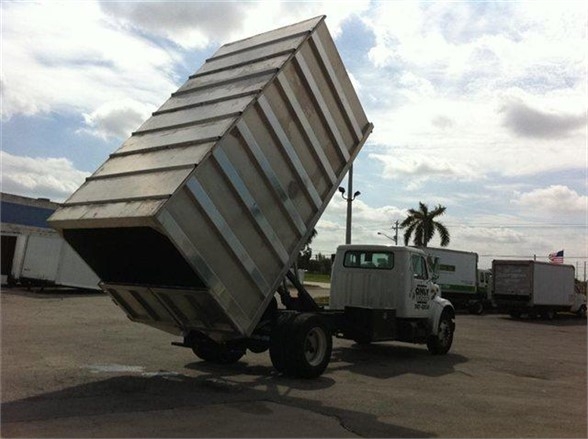
For buyers comparing new dump body parts, the best value usually comes from matching the part to the truck’s real duty cycle instead of buying to the broadest possible spec. A landscaping setup may prioritize high side walls, barn doors, and manual tarp hardware. A municipal or contractor truck may need heavier crossmembers, reinforced bulkheads, and more substantial hitch integration. Aluminum chipper and trash body components can make sense where legal payload and rust resistance matter, while steel remains the standard for severe-duty material handling. The right dump body part should restore structural integrity, preserve safe dump geometry, and keep the truck productive without forcing fabrication changes that add cost during installation.
Frequently Asked Questions about New Dump Body Parts
What dump body parts are most commonly replaced on working trucks?
The most commonly replaced dump body parts are floors, side panels, barn doors or tailgates, hinges, bulkheads, tarp systems, lighting components, mud flaps, and hoist-related hardware. High-wear areas usually depend on the body’s application. Aggregate and demolition work wear out floors, door frames, and hinge points faster, while landscape and chipper applications more often damage tall side sections, doors, tarp assemblies, and rear hardware.
Should I choose steel or aluminum dump body parts?
Steel dump body parts are generally preferred for abrasive, high-impact hauling because they offer strong resistance to denting and concentrated loads. Aluminum dump body parts are often selected to reduce body weight, improve payload, and resist corrosion. The right choice depends on what the truck hauls, how often it runs in corrosive conditions, and whether durability under impact or lighter tare weight matters more to the operation.
What specifications matter most when matching a dump body part?
The key specifications are body length and width, floor and wall thickness, crossmember spacing, longsill size, side height, door style, hinge placement, and hoist compatibility. Buyers should also confirm lighting requirements, tarp dimensions, and any mounting or reinforcement details that affect installation. A part that is close in size but wrong in structure can create fitment issues, poor dump performance, or added fabrication cost.
Are electric-over-hydraulic dump components common on lighter dump bodies?
Yes. Electric-over-hydraulic systems are common on many lighter dump body applications because they simplify installation and work well on trucks used in landscaping, light construction, and property maintenance. When replacing related parts, buyers should verify voltage, pump and reservoir setup, cylinder requirements, control type, and the body’s rated capacity. Mismatched components can slow cycle times or reduce lifting performance.
What door and tarp options are typical on dump body setups?
Barn doors are common on landscape, trash, and chipper-style dump bodies because they allow easier unloading of bulky material and better access when loading from the rear. Traditional tailgate arrangements may be preferred for loose material control. Tarp systems range from simple manual crank units to more advanced configurations, and the best choice depends on body length, wall height, and how often the operator needs quick cover and uncover cycles during the day.