
New 2024 Dump Body Parts For Sale
No exact matches found for your search
Showing Parts instead.
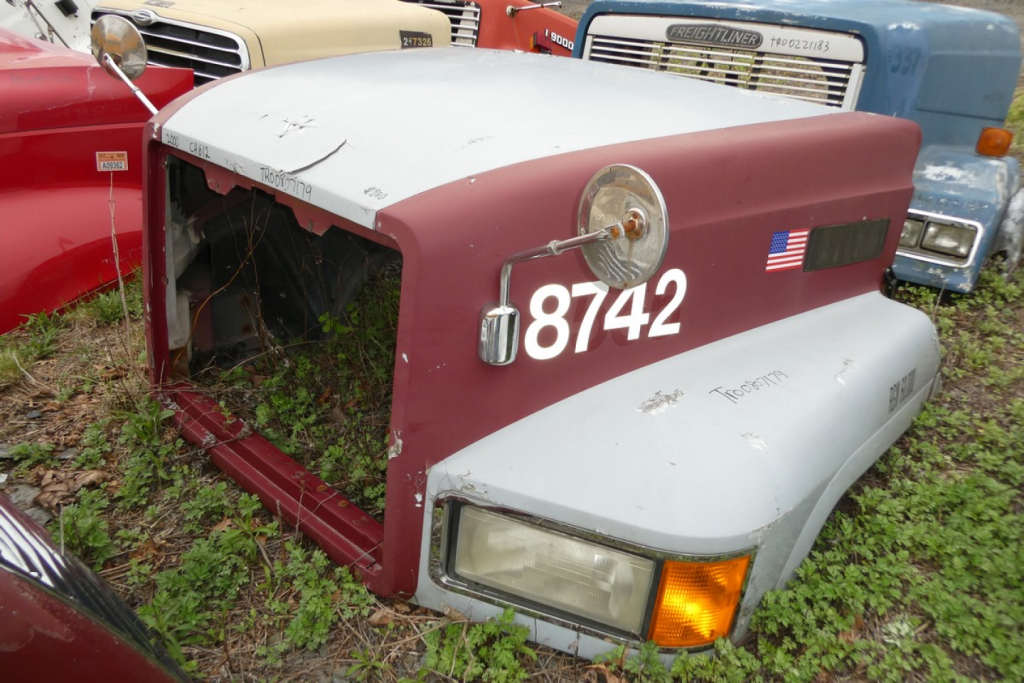
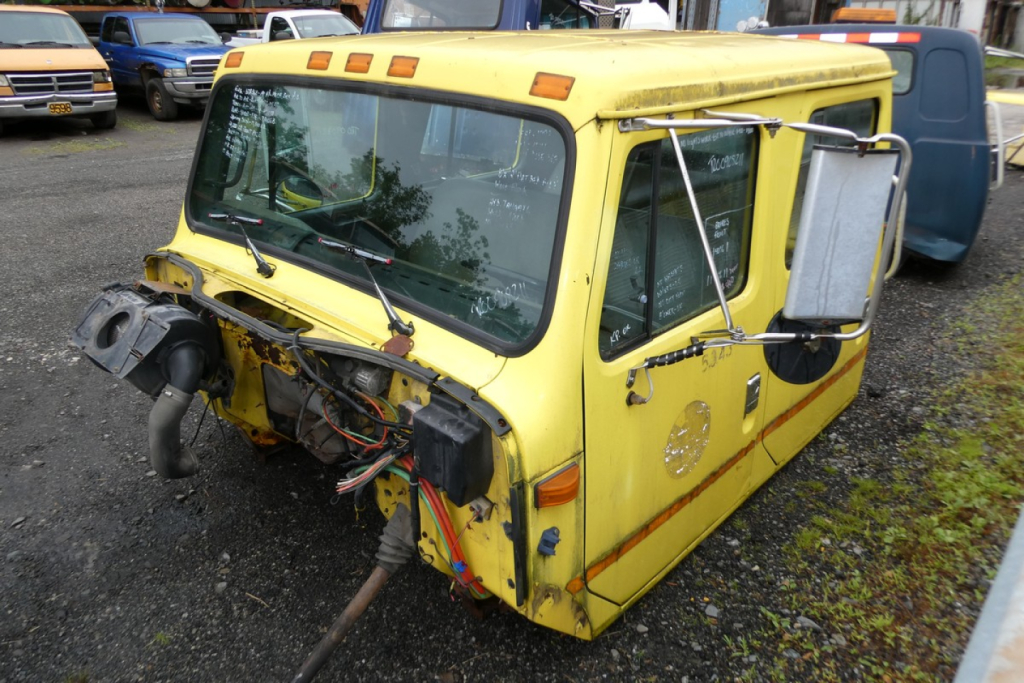
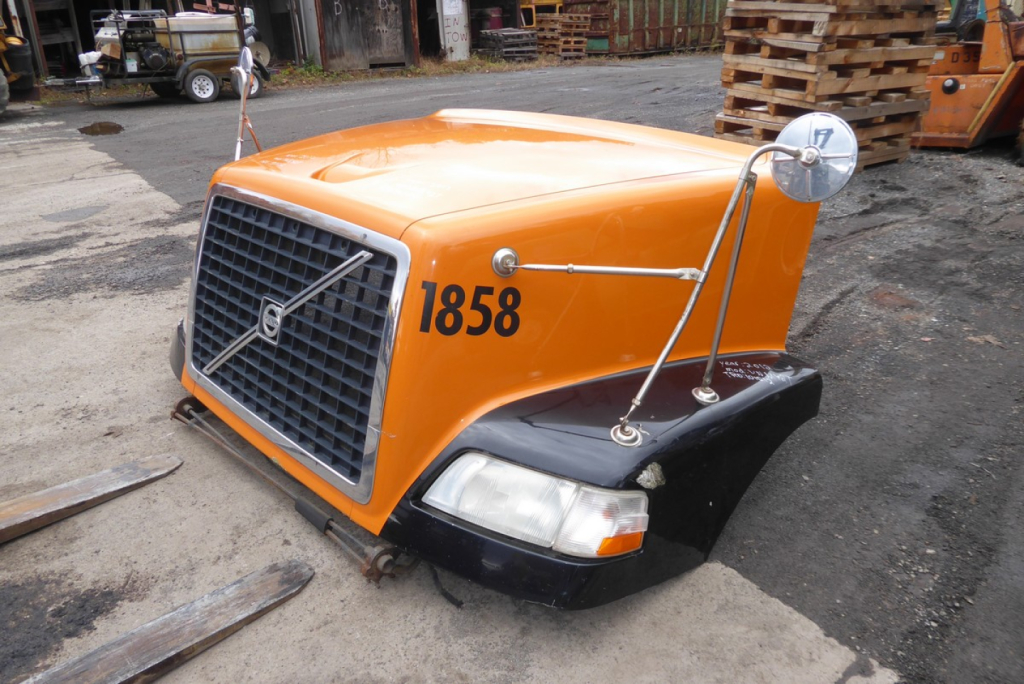
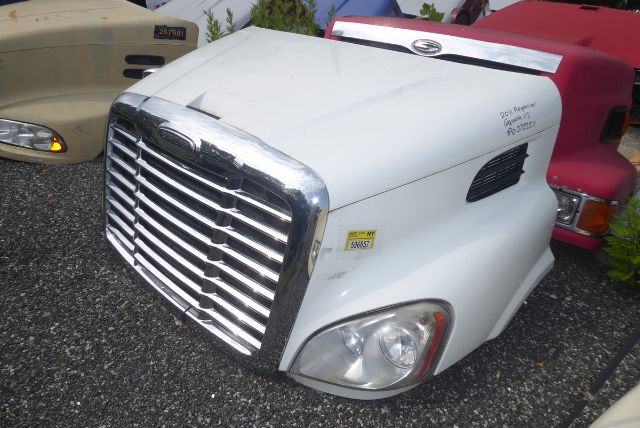
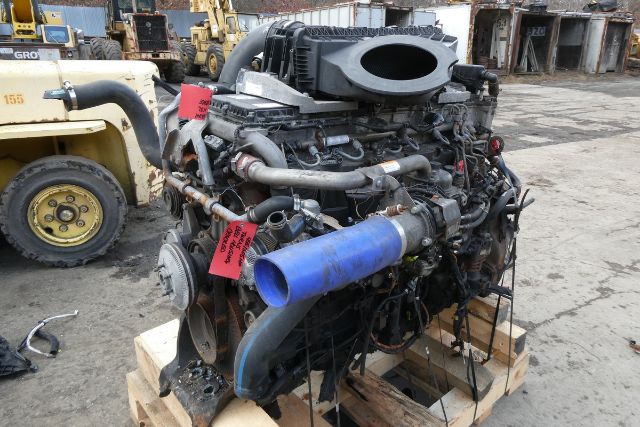
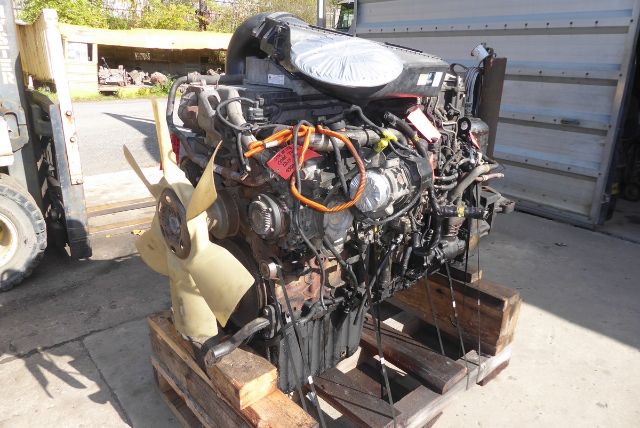
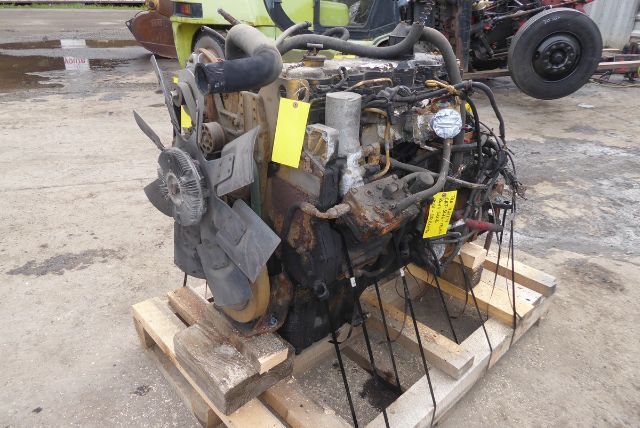
Showing 1 to 12 of 21 results
Have new 2024 dump body part to sell? List it here to reach thousands of buyers.
New 2024 Dump Body Parts
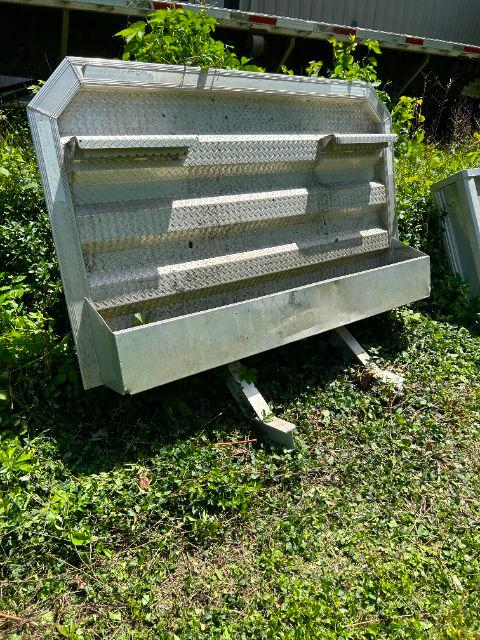
Body dimensions matter because they directly affect legal payload, loader access, and how the truck works day to day. Many dump bodies in this class are 8 feet wide and 12 to 16 feet long, with side wall heights ranging from low-profile landscape sides to tall chipper or trash enclosures. Buyers should pay close attention to bulkhead height, cab protector design, roof structure on enclosed chipper bodies, and rear door style. Barn doors are common on trash, chipper, and landscape applications because they improve unloading flexibility, while shorter rear gates may suit material handling where machine loading and quick discharge are more important. If the body will carry brush, leaves, or mixed debris, side wall bracing, post spacing, and stamped panel reinforcement are worth a close look.
Fit-up details are just as important as body size. Crossmember spacing, longsill depth, deck design, and subframe requirements all affect how the body handles concentrated loads and repeated dumping cycles. Buyers also need to confirm hoist type and power source. Electric-over-hydraulic units are common on medium-duty applications, while some body packages are sold as fabrication-only assemblies and require separate hoist, installation, and PTO or electrical planning. Tarp systems, hitch packages, trailer plugs, mud flaps, lighting to FMVSS 108 standards, and access steps are often part of the working specification, not add-ons. On vocational trucks, those details make a real difference in uptime and jobsite usability.
For parts buyers, the key is matching the component or body assembly to the truck’s intended duty cycle and chassis dimensions. A dump body for mulch, brush, or residential trash may prioritize cubic capacity and corrosion resistance, while a contractor body hauling aggregate or demolition debris may need heavier floors, stronger side construction, and a more robust hoist arrangement. Measure cab-to-axle, rear tire clearance, frame height, and hitch requirements before ordering. If the truck will tow, verify receiver capacity and electrical connections. The best dump body setup is not just the one that fits the frame, but the one built around the material being hauled, the frequency of dumps per day, and the service environment the truck sees year-round.
Frequently Asked Questions about New 2024 Dump Body Parts
What is the difference between an aluminum dump body and a steel dump body?
Aluminum dump bodies are generally chosen to reduce tare weight and improve legal payload, especially in landscape, brush, chipper, and municipal light-material applications. Steel dump bodies are typically preferred for harsher duty cycles, abrasive loads, and work that involves repeated impact from rubble, aggregate, or demolition debris. Aluminum resists corrosion well, while steel often offers lower upfront cost and easier field repair depending on the damage and shop capabilities.
What dump body size is most common for medium-duty work trucks?
Many medium-duty dump body setups fall in the 12-foot to 16-foot range with an 8-foot body width, but the right size depends on cab-to-axle measurement, axle ratings, and the material being hauled. A 12-foot body is common for tighter urban work and shorter wheelbase trucks, while 14-foot and 16-foot bodies are often used when cubic capacity is a higher priority. Wall height is just as important as floor length because it determines how well the body matches brush, trash, mulch, or dense material hauling.
What should I check before buying dump body parts or a body assembly?
Start with chassis compatibility. Confirm cab-to-axle length, frame width, axle placement, tire clearance, and required overhang. Then review floor thickness, crossmember spacing, longsill design, bulkhead height, rear door configuration, and hoist requirements. If the body does not include installation components, verify what is needed for mounting, hydraulic power, electrical controls, tarp operation, lighting, and any towing equipment so the final build does not stall on missing pieces.
Are tarp systems and rear door styles important on a dump body?
Yes. A tarp system is a practical necessity for many landscape, trash, mulch, and debris applications because it helps with load control, road compliance, and cleanup. Rear door style affects how the body unloads and how easy it is to load with equipment. Barn doors work well for bulky materials and controlled unloading, while other gate styles may be better for spreading or quick discharge. The best configuration depends on whether the truck handles loose aggregate, brush, municipal debris, or mixed contractor material.
Can a dump body be used for towing as well as hauling?
It can, provided the body and chassis are specified for it. Many vocational dump body setups include hitch packages, receiver tubes, and trailer electrical provisions, but buyers should confirm rated capacity, rear structure design, and brake plug configuration. Towing adds stress to the rear of the body and frame, so hitch integration should be planned as part of the body build rather than treated as an afterthought.