
New Advanced Fabricators Dump Body Parts For Sale
Have new advanced fabricators dump body part to sell? List it here to reach thousands of buyers.
New Advanced Fabricators Dump Body Parts
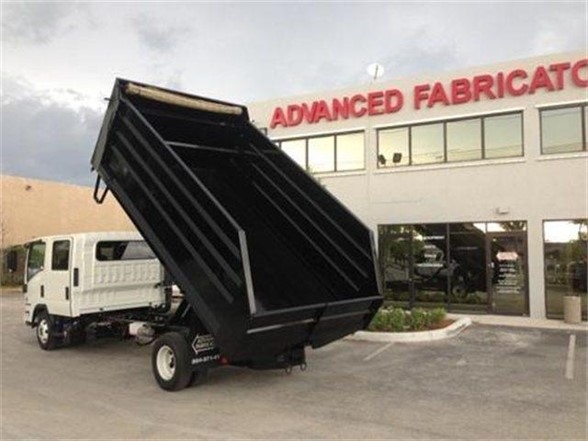
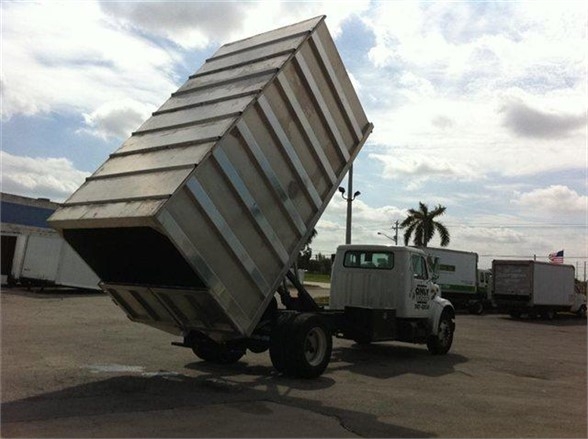
Material choice matters because it affects both repair strategy and payload. Advanced Fabricators bodies are commonly found in steel and aluminum configurations. Steel parts are common on landscape and general-purpose dumps where impact resistance and lower replacement cost are priorities. Aluminum parts are common on chipper and trash bodies where corrosion resistance and lighter tare weight help maximize legal payload. A buyer replacing sections of an aluminum body should verify plate thickness, post layout, roof design, and weld compatibility. On steel bodies, pay close attention to painted versus raw parts, formed panels versus flat plate, and whether the replacement piece needs to match V-stamped sides, sloped walls, or a solid-sheet design.
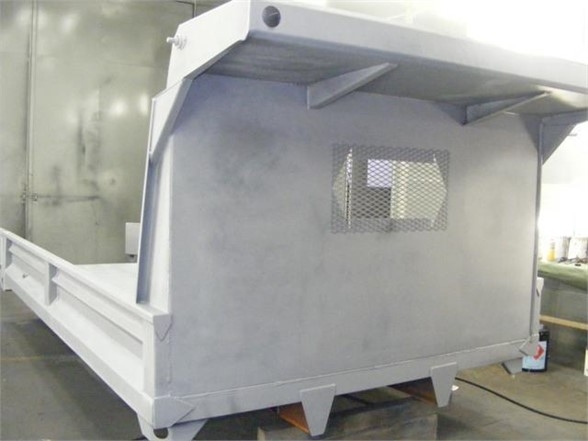
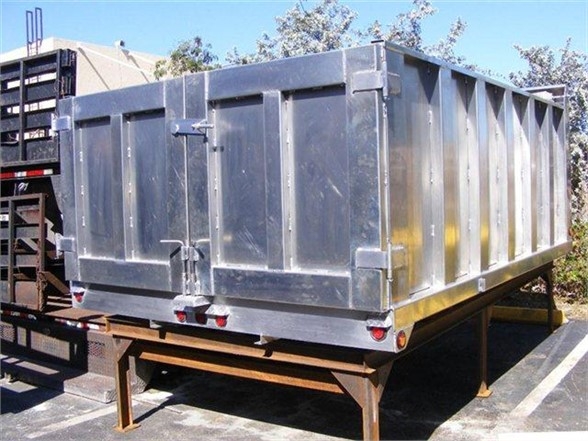
The most frequently replaced dump body parts in this category include barn doors, bulkheads, cab protectors, side panels, floor sections, crossmembers, longsills, tarp systems, hinges, latches, mud flaps, light kits, and hitch assemblies. Hoist-related parts are another key consideration, especially on electric-over-hydraulic setups such as Venco hoists used on some builds. Buyers should confirm body length, understructure dimensions, mounting requirements, pump and reservoir specifications, and clearances between the hoist, subframe, and chassis. Door dimensions also matter. A 24-inch barn door setup on a landscape body is a very different replacement item than taller rear doors on a trash or chipper configuration.
The best approach is to treat dump body parts as fit-critical components rather than generic accessories. Body width, side height, bulkhead height, roof presence, tailgate or barn door framing, and lighting requirements under FMVSS 108 all affect interchange. If the body will stay in commercial service, look closely at wear points such as hinge pins, latch hardware, tarp rollers, rear sill structure, and the floor area above the hoist pivot. Matching these details up front helps avoid fabrication delays, improper fit, and repeat downtime after installation.
Frequently Asked Questions about New Advanced Fabricators Dump Body Parts
What dump body parts are most commonly replaced on Advanced Fabricators bodies?
The most commonly replaced parts are rear barn doors, side panels, floor plates, bulkheads, crossmembers, longsills, hinge assemblies, latch hardware, tarp systems, lighting components, and hitch assemblies. On working dump bodies, these parts take the most abuse from loading equipment, shifting material, corrosion, and repeated dump cycles. Hoist components and hydraulic hardware are also common service items when the body uses an electric-over-hydraulic system.
How do I match the correct part to my dump body?
Start with the body type and actual build details, not just the stated length. Confirm whether the body is a chipper, landscape, trash, or contractor-style dump, then verify width, deck thickness, side height, bulkhead height, door opening dimensions, crossmember spacing, longsill size, and material type. If the body has sloped sides, V-stamped panels, a roof, or a cab protector, those details need to match as well because they affect fit and installation.
Are steel and aluminum dump body parts interchangeable?
Not usually without modification. Steel and aluminum bodies differ in weight, weld process, structural design, corrosion behavior, and how the understructure is built. Even when the dimensions are similar, the replacement panel, floor section, or structural member may not install correctly without fabrication changes. Buyers should verify material thickness and attachment method before assuming interchangeability.
What should I check before ordering a replacement hoist or hoist-related part?
Verify the hoist model, the body length it supports, mounting geometry, power unit type, reservoir and pump specifications, and the clearances available on the chassis and subframe. You should also confirm cylinder travel, dump angle requirements, and whether the replacement part is intended for electric-over-hydraulic or another hydraulic setup. A mismatch in hoist specs can create poor dump performance or interfere with the body installation.
Why do body dimensions matter so much when buying dump body parts?
Dump body parts are structural and fit-specific. A difference in side height, door width, crossmember spacing, or bulkhead layout can prevent a part from fitting correctly or can weaken the repair if it is forced to work. Accurate dimensions also matter for legal lighting placement, tarp coverage, and proper body operation. Taking the time to match measurements usually saves labor and reduces downtime.