
New 2024 Advanced Fabricators Dump Body Parts For Sale
Have new 2024 advanced fabricators dump body part to sell? List it here to reach thousands of buyers.
New 2024 Advanced Fabricators Dump Body Parts
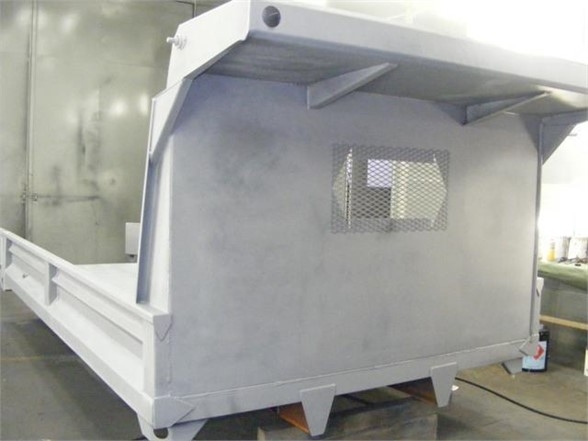
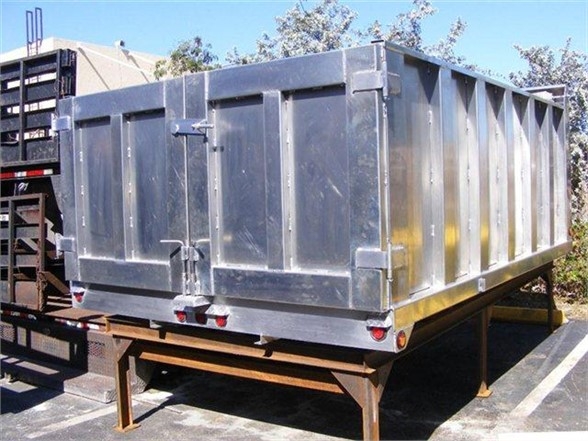
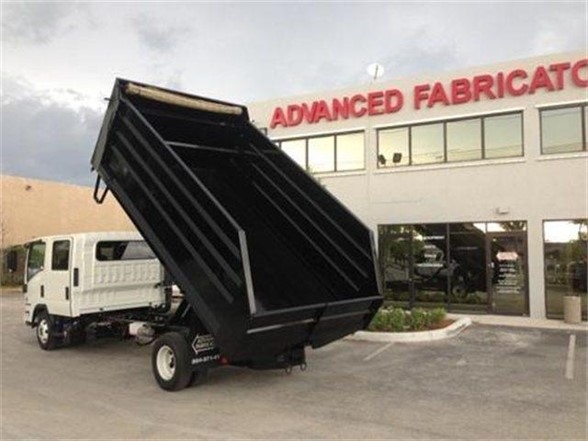
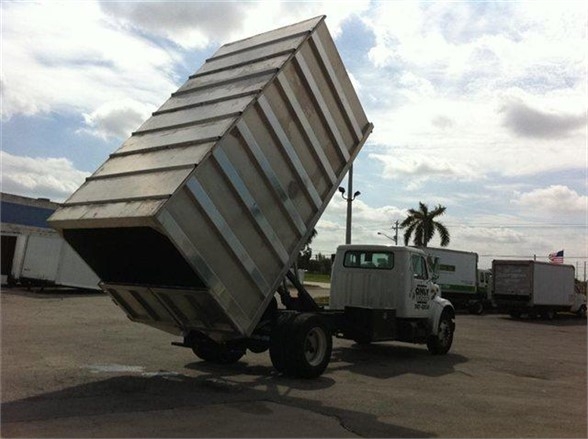
For landscaping, trash, tree service, and light construction work, buyers typically compare steel versus aluminum first. Aluminum dump body components reduce tare weight and help preserve payload, which matters on chipper bodies, trash bodies, and municipal-style routes with frequent stops. Steel components are often preferred where impact resistance and lower replacement cost are higher priorities, especially on landscape dumps and general contractor bodies. Sidewall height is another key variable. Lower 14-inch to 24-inch sides are common on landscape-style bodies, while 48-inch to 72-inch sides, bulkheads, and barn doors are more typical on trash and chipper setups that need cube capacity more than dense material payload.
Fit-up details matter as much as raw dimensions. Buyers should verify inside and outside width, subframe requirements, hinge locations, cab protector or bulkhead window provisions, tarp compatibility, and whether the body is set up for electric-over-hydraulic hoists such as common Venco configurations. Barn doors with chain holdbacks, sloped side designs, smooth plate construction, V-stamped panels, receiver hitches, 7-way plugs, mud flap brackets, and FMVSS 108 lighting provisions all affect how easily a part integrates into a new build or replacement job. If the component is being matched to an existing chassis, confirm CA, axle placement, tire clearance, and frame height before purchase.
Advanced Fabricators equipment in this class is generally aimed at vocational buyers who need straightforward serviceability and practical body construction. When comparing dump body parts for a repair, rebuild, or custom upfit, focus on material thickness, weld quality, corrosion resistance, structural channel sizing, and the way the component supports the body’s intended use. A dump body is not just a box. It is a working structure that has to handle abrasion, shifting loads, repeated hoist cycles, and daily exposure to weather, debris, and jobsite abuse.
Frequently Asked Questions about New 2024 Advanced Fabricators Dump Body Parts
What should I confirm before buying dump body parts for a truck build or repair?
Confirm the body length and width, frame compatibility, crossmember and longsill dimensions, and how the part interfaces with the hoist, hinge, bulkhead, and rear door assembly. It is also important to verify side height, material thickness, lighting provisions, tarp system compatibility, and any chassis-specific factors such as cab-to-axle measurement, tire clearance, and receiver or trailer plug requirements. Small fitment mismatches can create major installation delays on vocational trucks.
Is aluminum or steel better for dump body components?
Aluminum is typically chosen when lower body weight and corrosion resistance are priorities. That makes it a strong fit for trash, chipper, and high-cube applications where payload and rust prevention matter. Steel is commonly selected for tougher impact environments and lower upfront replacement cost, especially in landscape and construction work. The better choice depends on the material being hauled, expected abuse level, and how important tare weight is to the operation.
What dump body specs matter most on replacement parts?
The most important specs are deck thickness, sidewall height, crossmember spacing, longsill size, rear door configuration, and the material grade of the part. Buyers should also pay attention to whether the panels are smooth or stamped, whether sidewalls are solid sheet or seamed, and whether the component is designed for manual tarp systems, electric-over-hydraulic hoists, or chipper roof structures. These details affect durability, installation, and how the finished body performs under load.
Are dump body parts the same for landscape, trash, and chipper bodies?
No. Landscape, trash, and chipper bodies may all fall under the dump body category, but they are built for different load types and operating conditions. Landscape bodies often use lower sides and practical rear access for mulch, debris, and equipment support. Trash and chipper bodies usually have taller sides, larger bulkheads, and in some cases roof structures to contain light-volume material. Matching the component to the exact body style is essential.
Do I need to consider hoist setup when buying dump body components?
Yes. Hoist compatibility is a major part of dump body fitment. The body structure, hinge placement, subframe design, and weight distribution all need to work with the hoist type and capacity. Electric-over-hydraulic systems are common on vocational dump bodies, but the body or replacement component still has to be configured correctly so the dump angle, structural support, and mounting points align with the chassis and hydraulic package.