
New 2024 Dump Body Parts For Sale in Florida
Have new 2024 dump body part to sell? List it here to reach thousands of buyers.
New 2024 Dump Body Parts in Florida
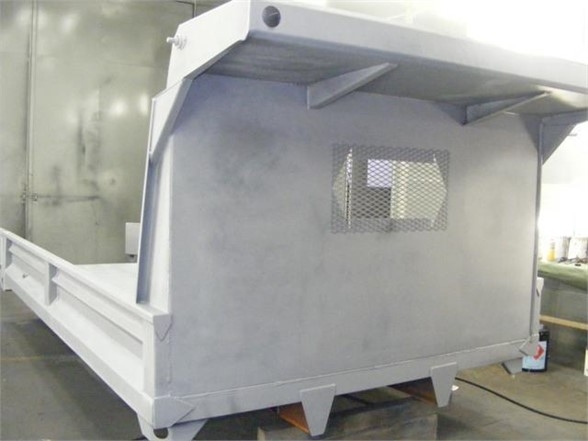
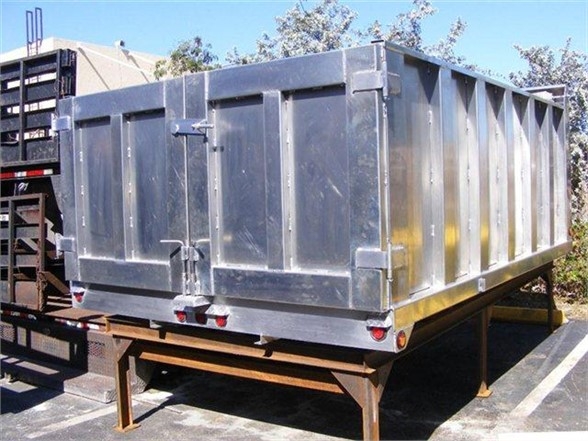
Fitment is one of the most important considerations when buying dump body parts. Body length, width, side height, crossmember spacing, longsill dimensions, and door style all need to match the body design and the truck chassis setup. Common body lengths in this class include 12-foot, 14-foot, and 16-foot configurations, often built around 8-foot widths. Floor thickness and wall construction also vary by application, with 3/16-inch plate common in floors and high-wear sections, and lighter plate used in side walls or roof panels on chipper and trash bodies. Buyers should verify hinge locations, latch design, mounting points, and hoist compatibility before ordering replacement or upgrade parts, especially on electric-over-hydraulic systems.
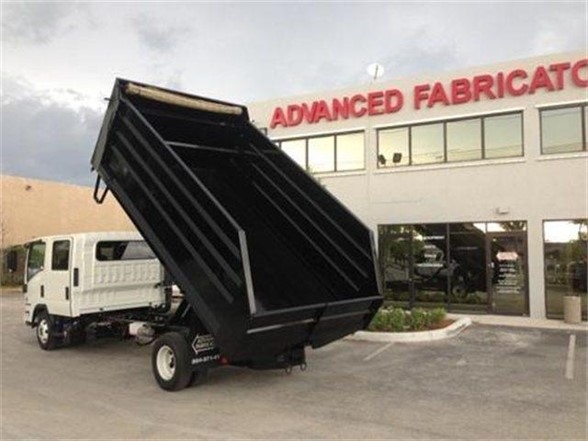
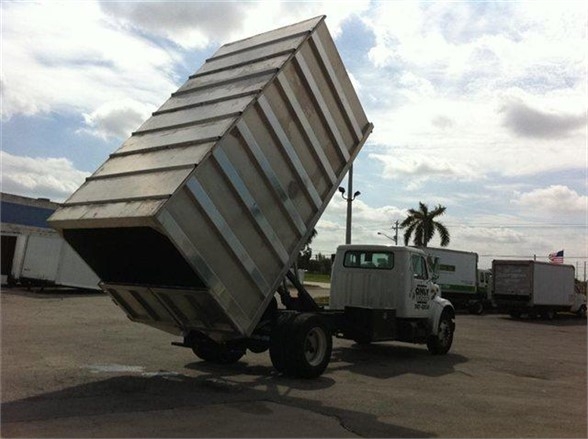
Application matters as much as dimensions. Landscape dump bodies often use sloped sides, moderate wall heights, tarp systems, and barn doors for easy unloading of mulch, soil, and debris. Chipper and trash bodies usually add taller side walls, roof structures, and enclosed or semi-enclosed designs to manage bulky, lightweight loads. Contractor-style dump bodies may need heavier crossmembers, reinforced bulkheads, and hitch provisions for towing equipment. Lighting should meet FMVSS 108 requirements, and practical items like side steps, grab handles, chain-controlled doors, and receiver hitches can make a noticeable difference in daily usability and jobsite safety.
A smart buyer looks beyond the part itself and evaluates how it affects body life, payload efficiency, and repair cost. Solid-sheet panels reduce seam-related wear points. Channel crossmembers on 12-inch or 16-inch centers influence floor support and long-term durability. Longsills carry much of the body load into the chassis, so size and material are not small details. If the goal is to rebuild or refresh a working dump body, matching the original body design is usually the safest route. If the goal is to upgrade, it often makes sense to improve wear surfaces, corrosion resistance, tarp coverage, lighting, and door hardware at the same time so the body functions like a complete system rather than a collection of replacement parts.
Frequently Asked Questions about New 2024 Dump Body Parts in Florida
What dump body parts are most commonly replaced on a working truck?
The most commonly replaced dump body parts are floors, side panels, barn doors, hinges, latches, tarp systems, lights, mud flaps, and hoist-related hardware. Structural pieces such as crossmembers, longsills, and bulkheads also wear out or get damaged over time, especially on trucks hauling abrasive material, yard waste, demolition debris, or wet loads. On higher-cycle bodies, buyers often replace multiple related components together so the body maintains proper alignment and load support.
Is steel or aluminum better for dump body parts?
Steel is generally better for impact resistance, abrasion resistance, and severe-duty hauling, while aluminum is better for weight savings and corrosion resistance. Steel parts are common on landscape and contractor bodies that see rough loading conditions. Aluminum parts are common on chipper, trash, and municipal-style applications where payload efficiency and rust resistance are priorities. The right choice depends on the body’s job, the expected payload, and how important tare weight is to the operation.
What measurements should I verify before ordering dump body parts?
Buyers should verify body length, width, floor thickness, side height, crossmember spacing, longsill size, door opening dimensions, hinge placement, latch style, and mounting locations. Hoist compatibility is also critical if the part affects body lift geometry or rear pivot operation. Even if two dump bodies are both listed as 12-foot or 14-foot units, small fabrication differences can affect fit, installation time, and long-term performance.
Are dump body parts application-specific for landscape, chipper, and trash bodies?
Yes. Landscape dump bodies often use lower to mid-height sides, sloped wall designs, and simple barn door setups for dense material. Chipper and trash bodies usually need taller walls, roof sections, and lighter-weight construction to handle bulky loads efficiently. A part that fits a contractor dump body may not be suitable for a chipper or trash body because wall height, reinforcements, and overall body geometry can be very different.
Why do crossmembers and longsills matter so much on a dump body?
Crossmembers and longsills are major load-carrying structural components. Crossmembers support the floor and distribute payload weight across the body, while longsills transfer that load into the chassis and help the body stay rigid during lifting and dumping. If these components are undersized, corroded, or damaged, the body can flex excessively, floors can fail prematurely, and hoist performance can suffer under load.