
Other Trailers For Sale in Alabama
Browse other trailers for sale, including specialty and hard-to-classify trailer types for heavy haul, niche freight, and custom applications.
No exact matches found for your search
Showing Other Trailers instead.
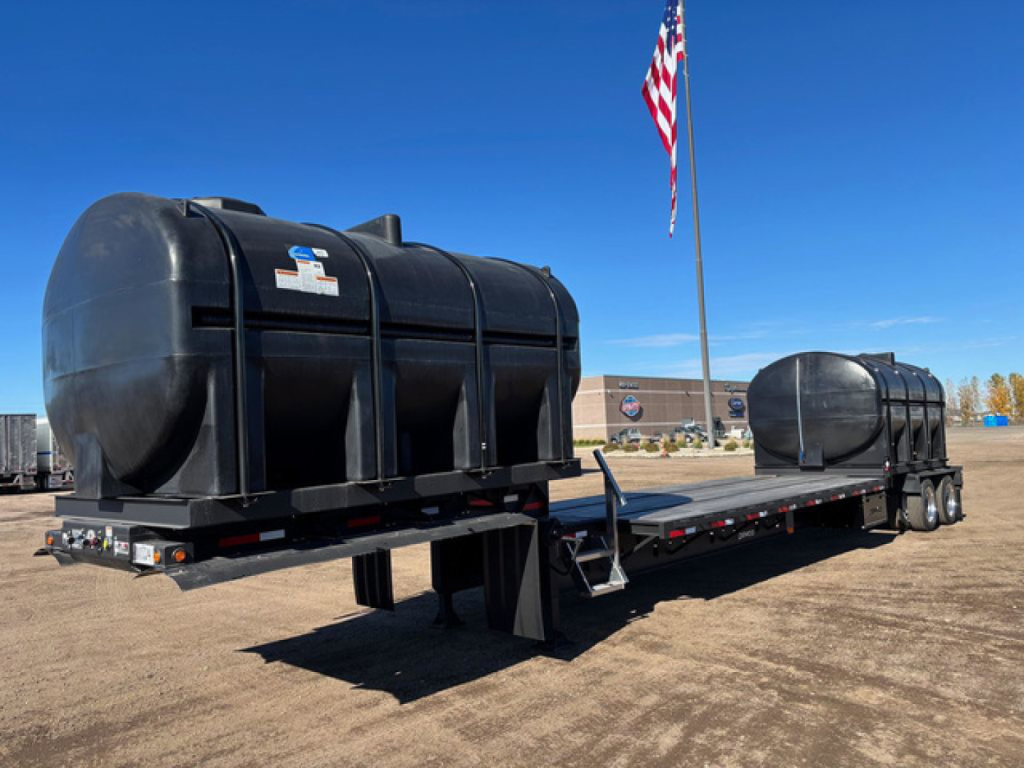
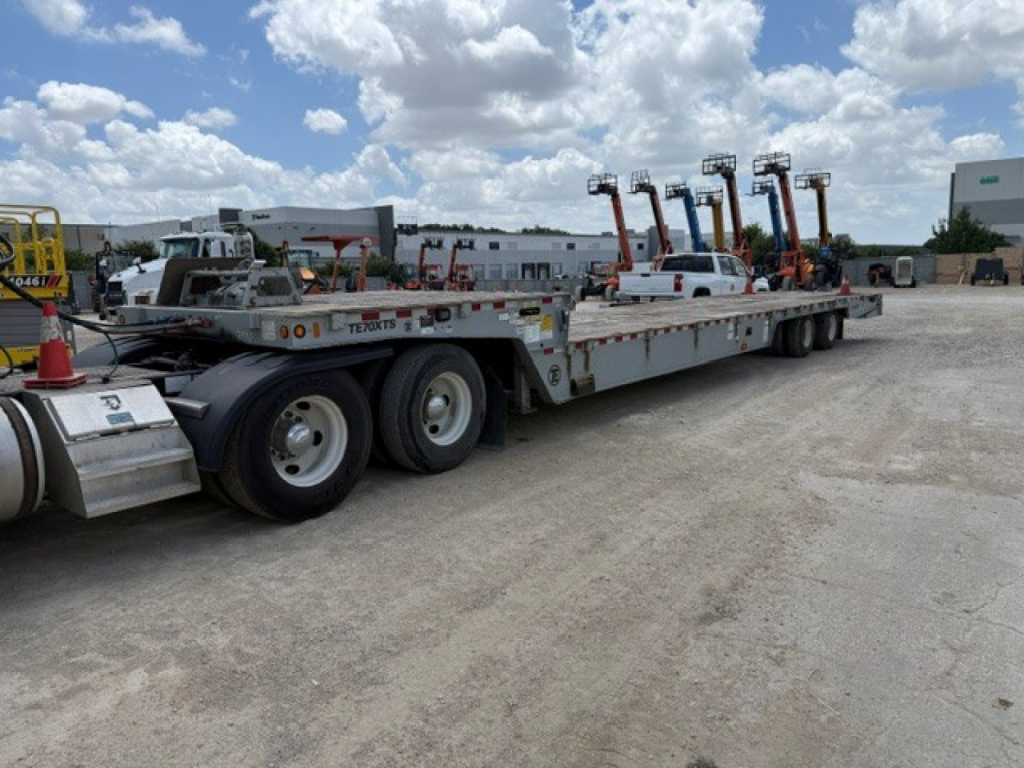
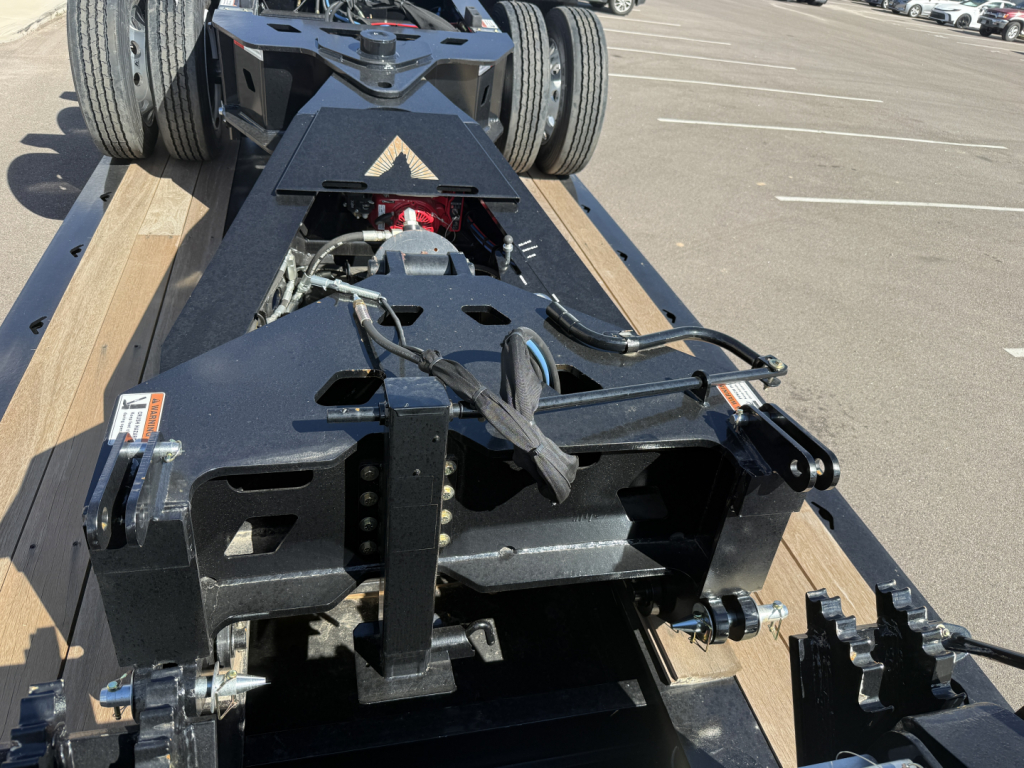
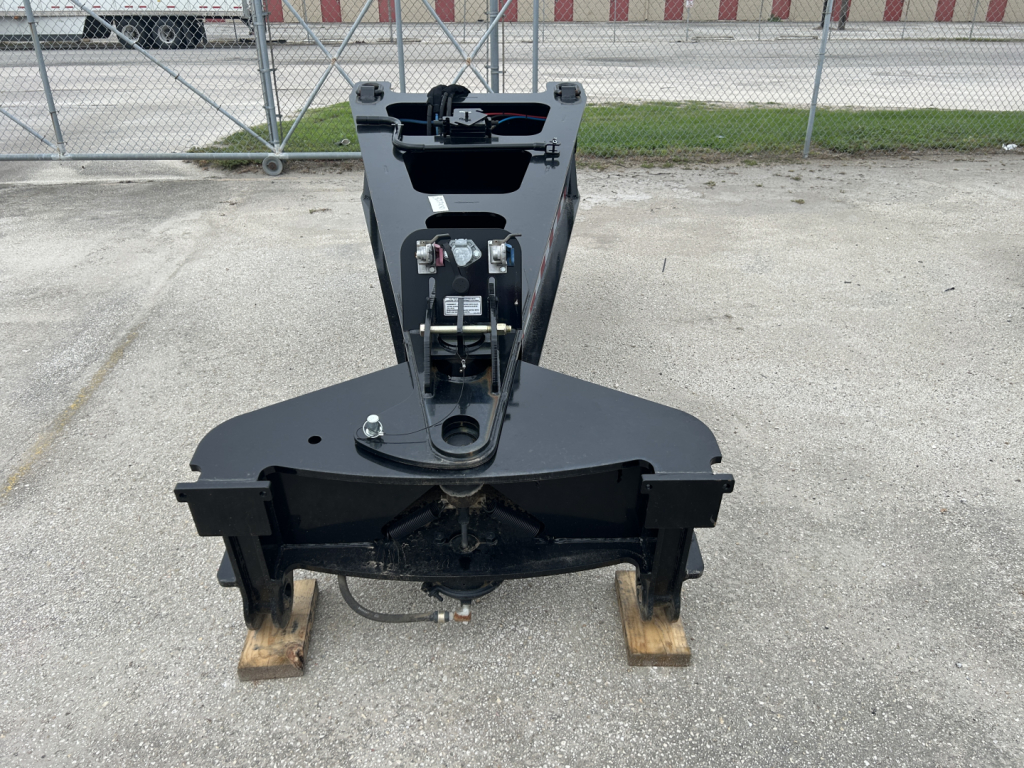
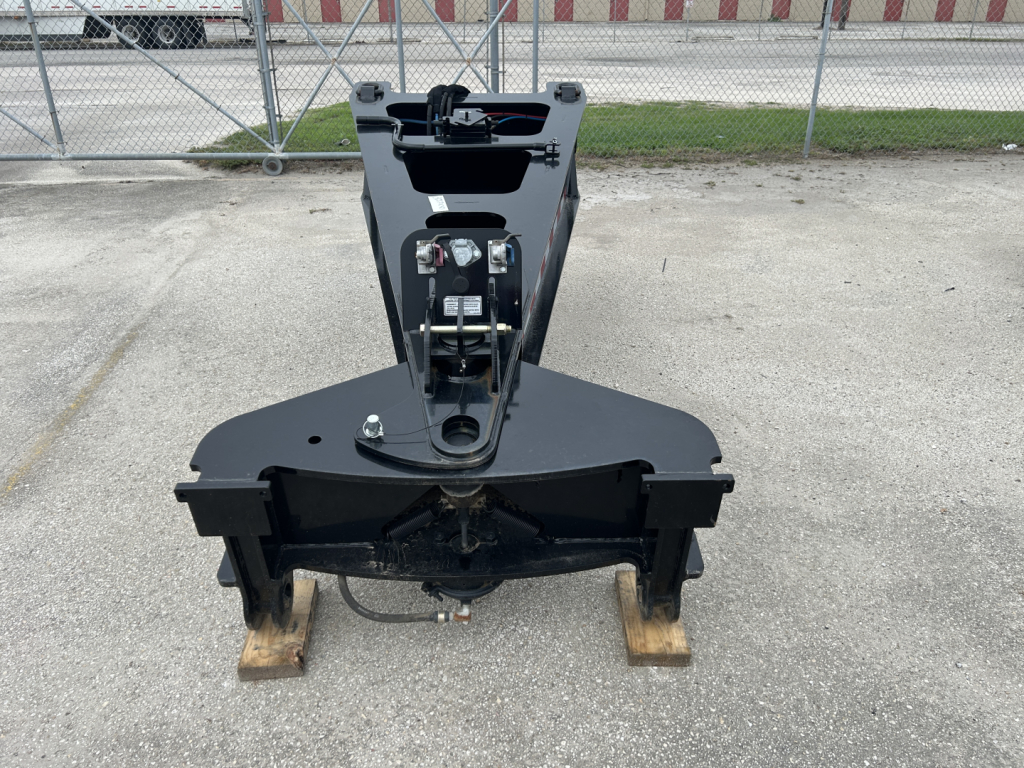
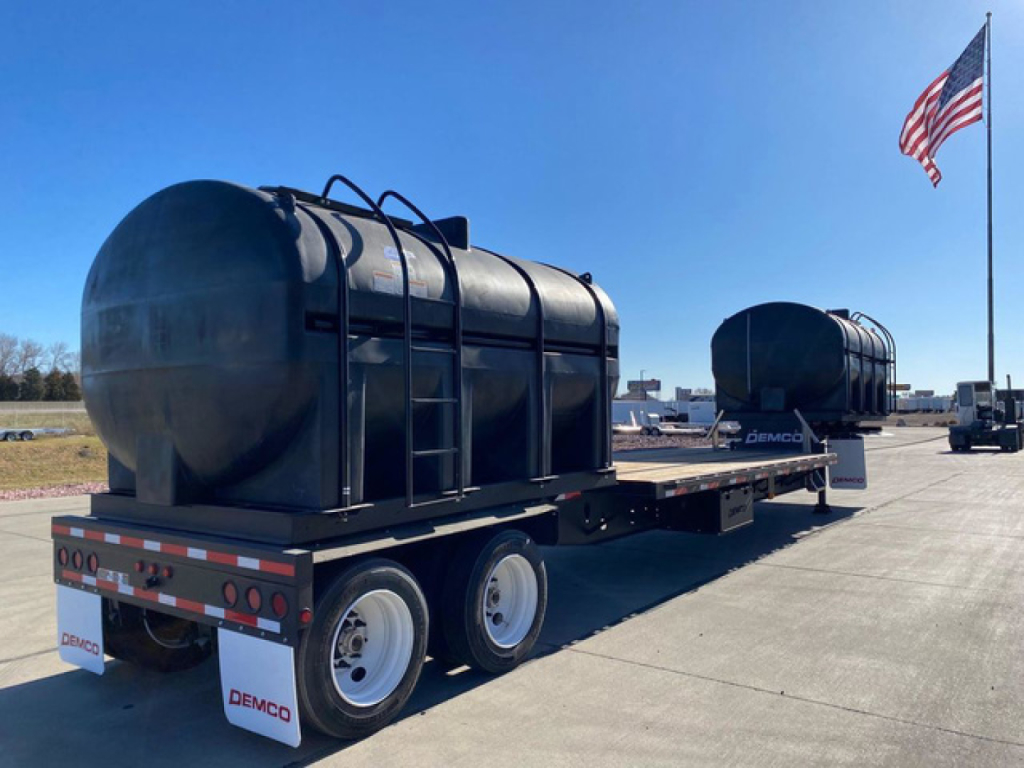
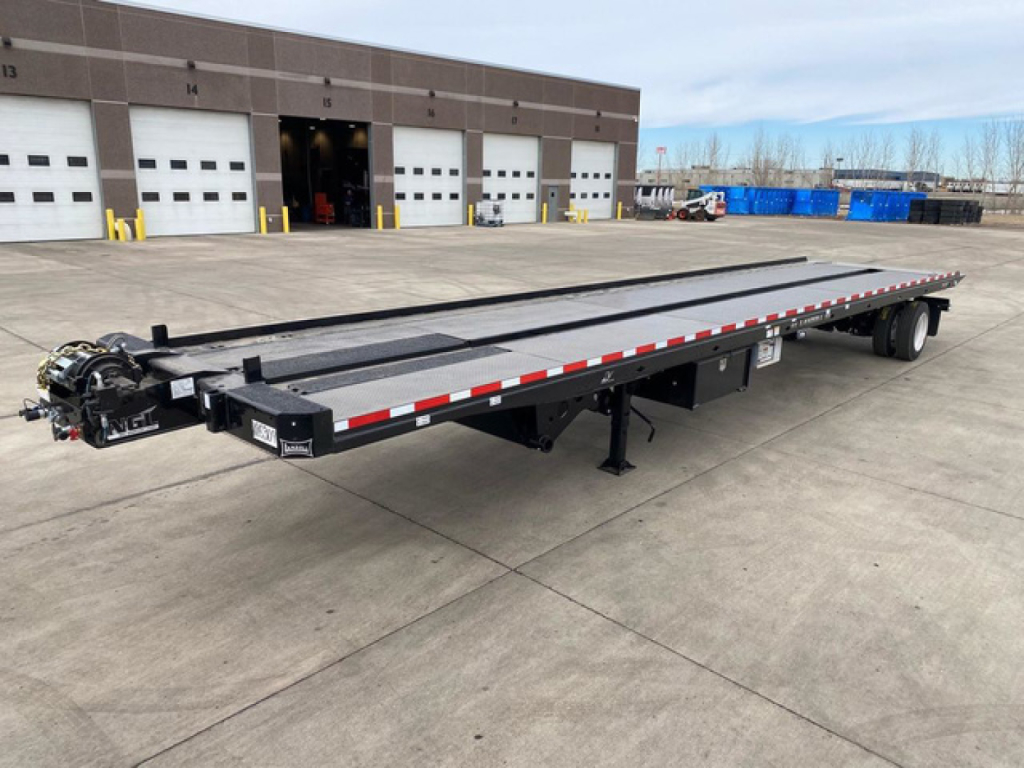

Selling a other trailer? List your other trailer for sale and reach thousands of commercial buyers.
Other Trailers in Alabama
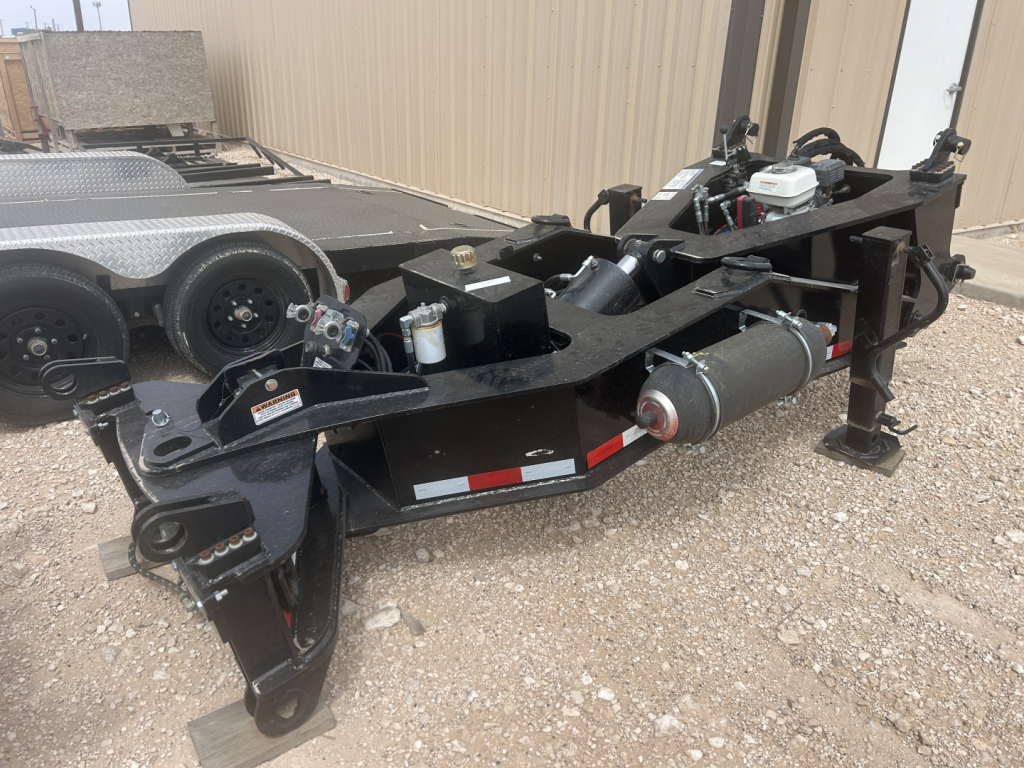
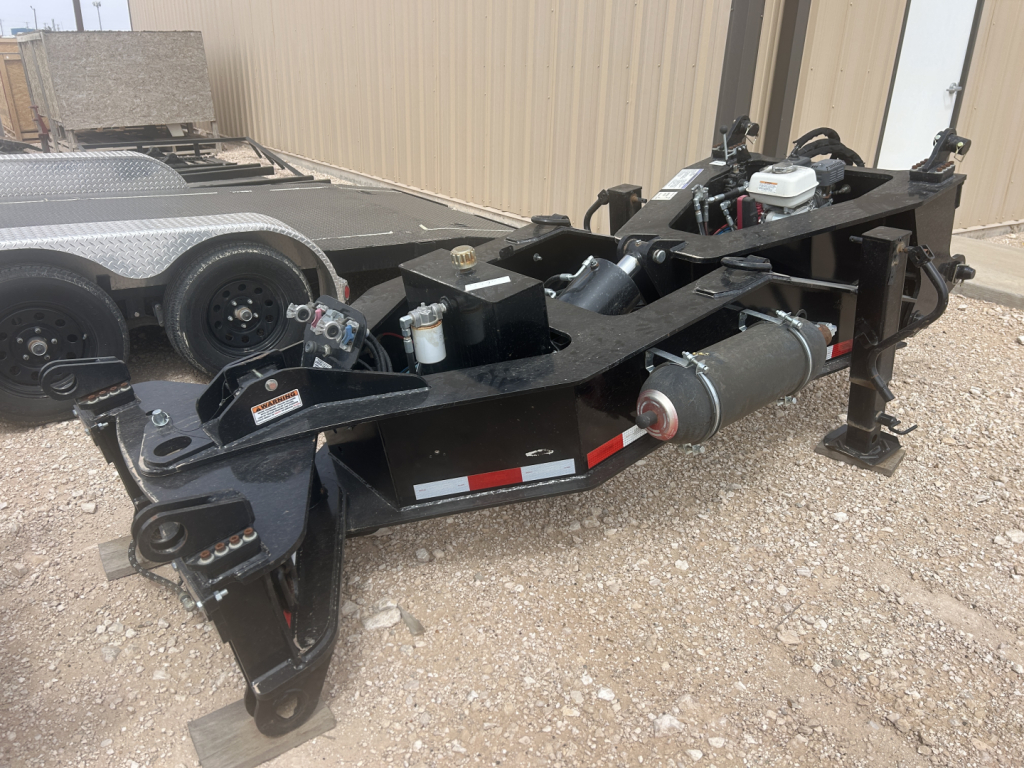
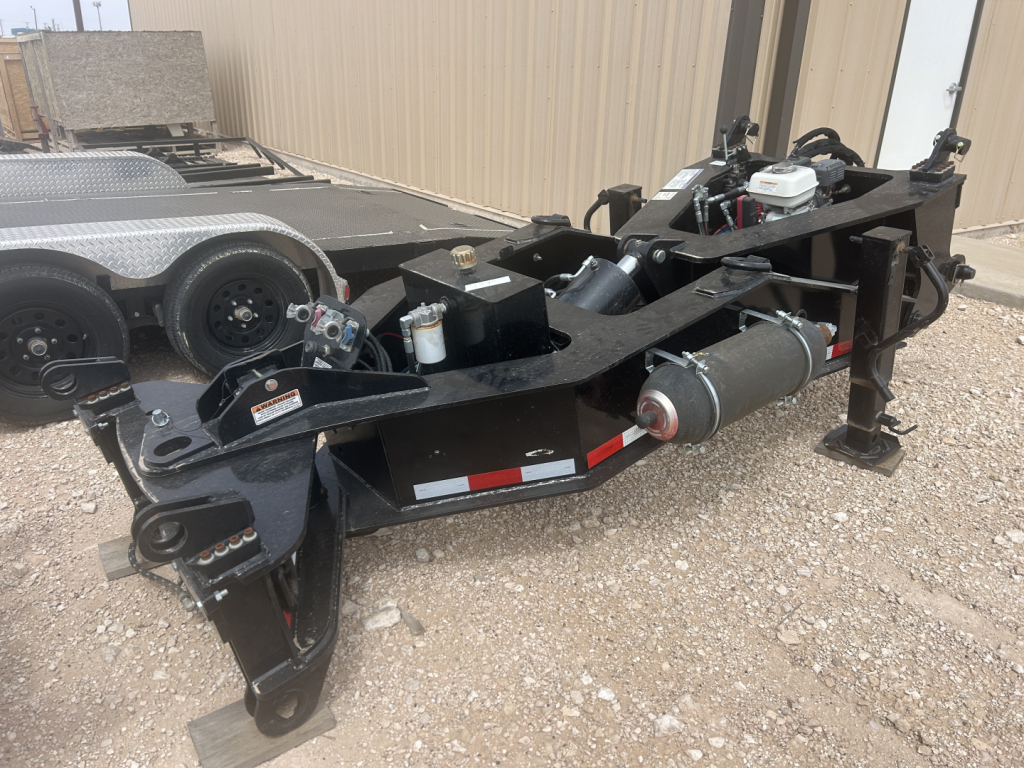
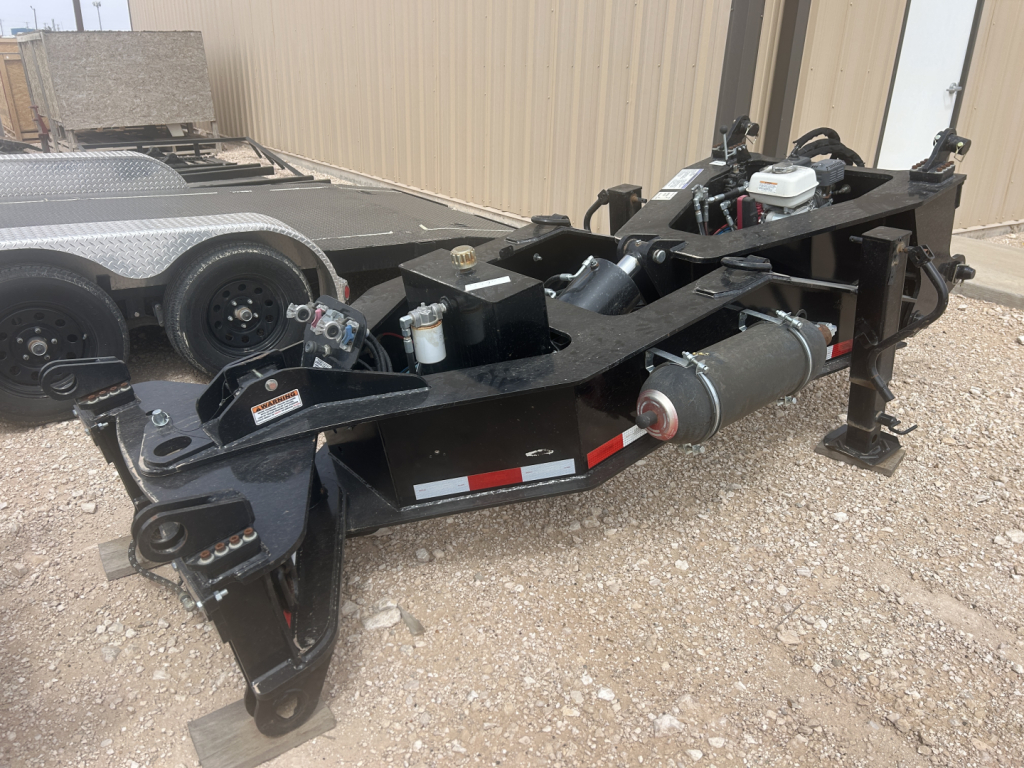
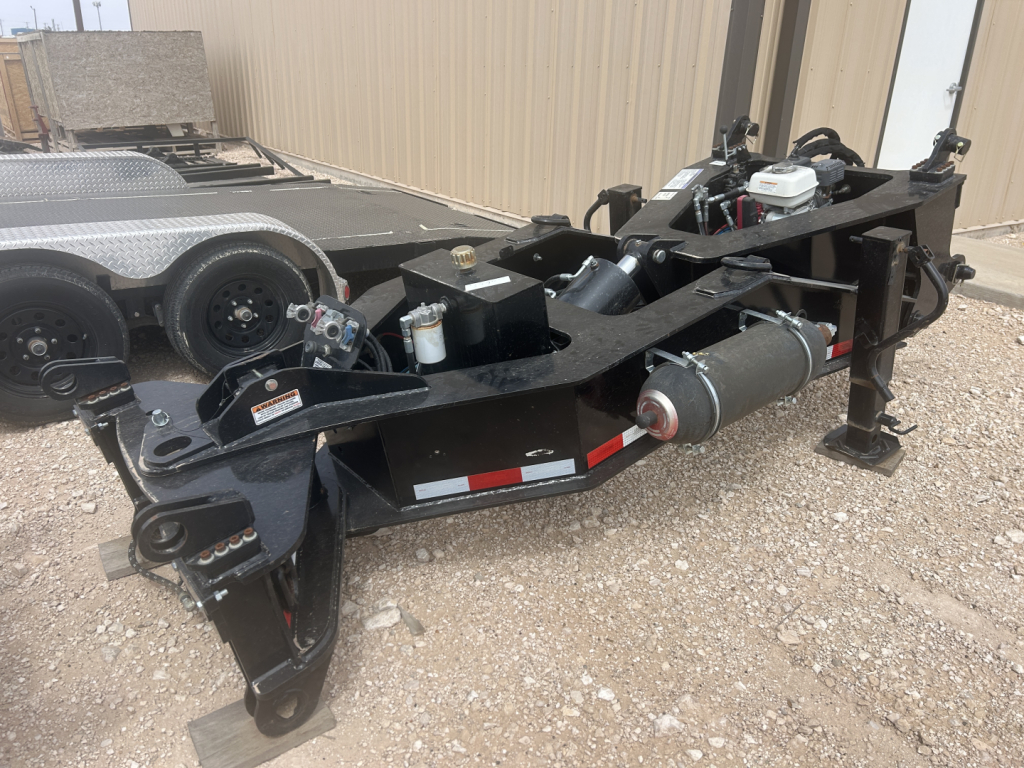
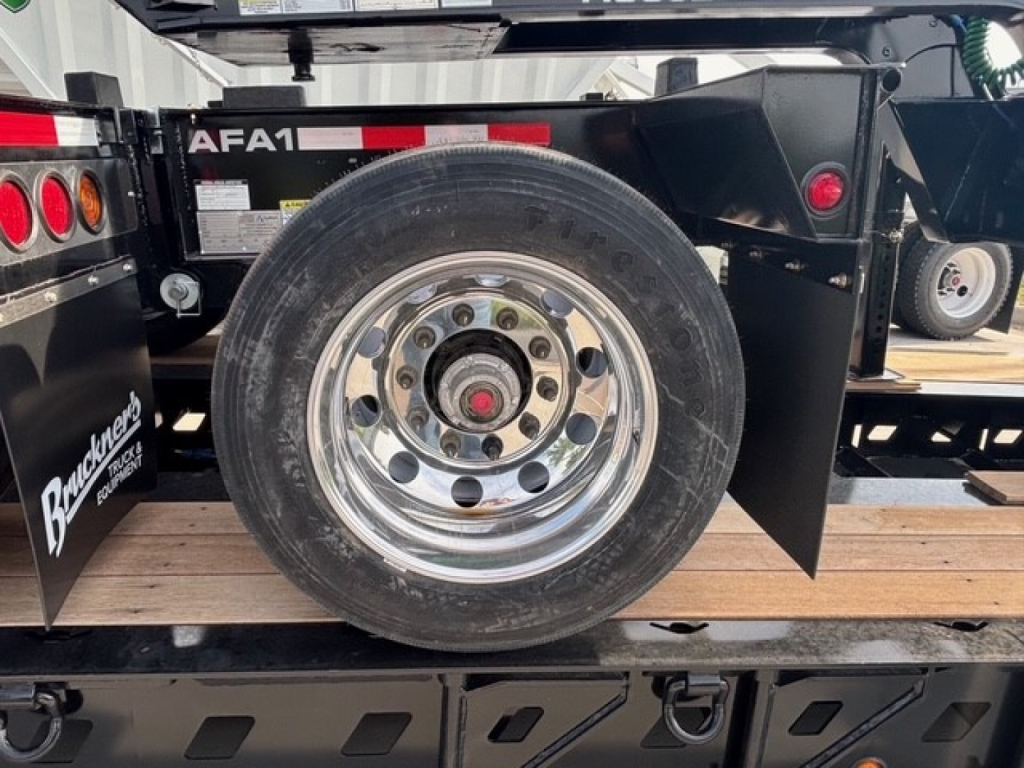
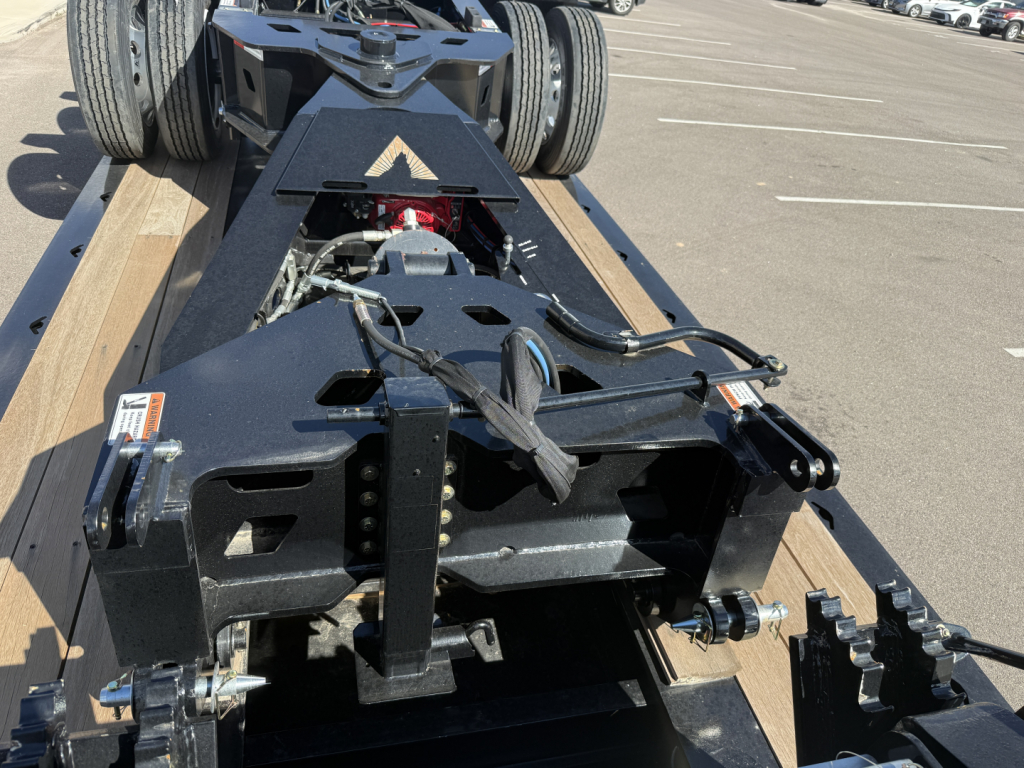
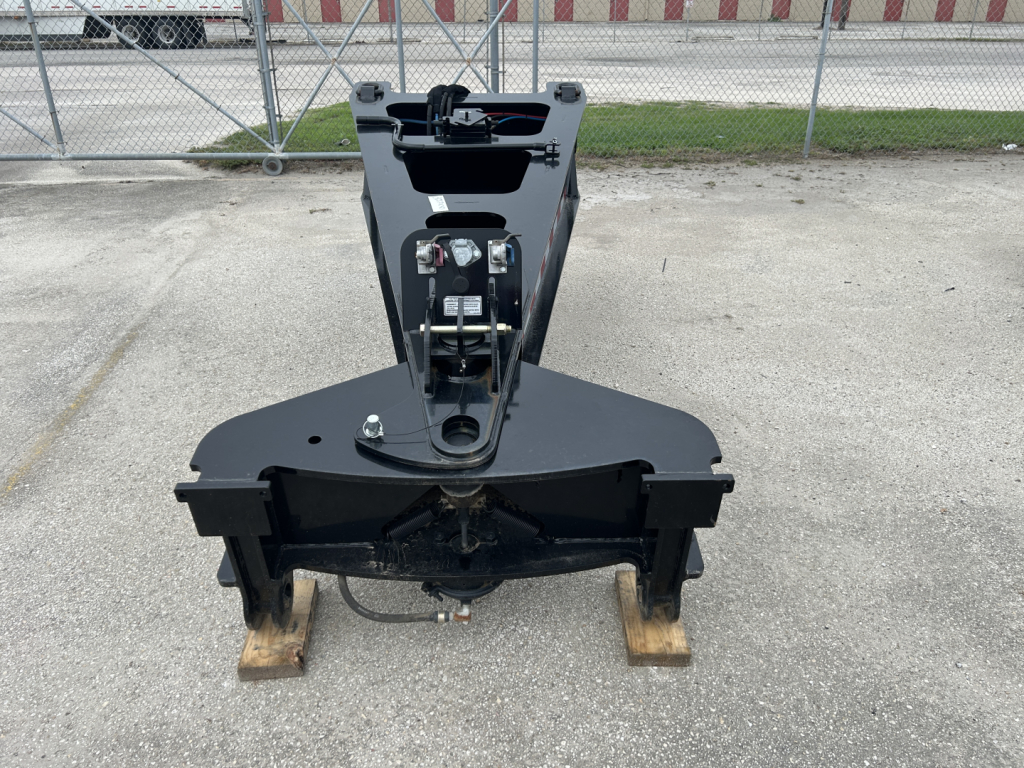
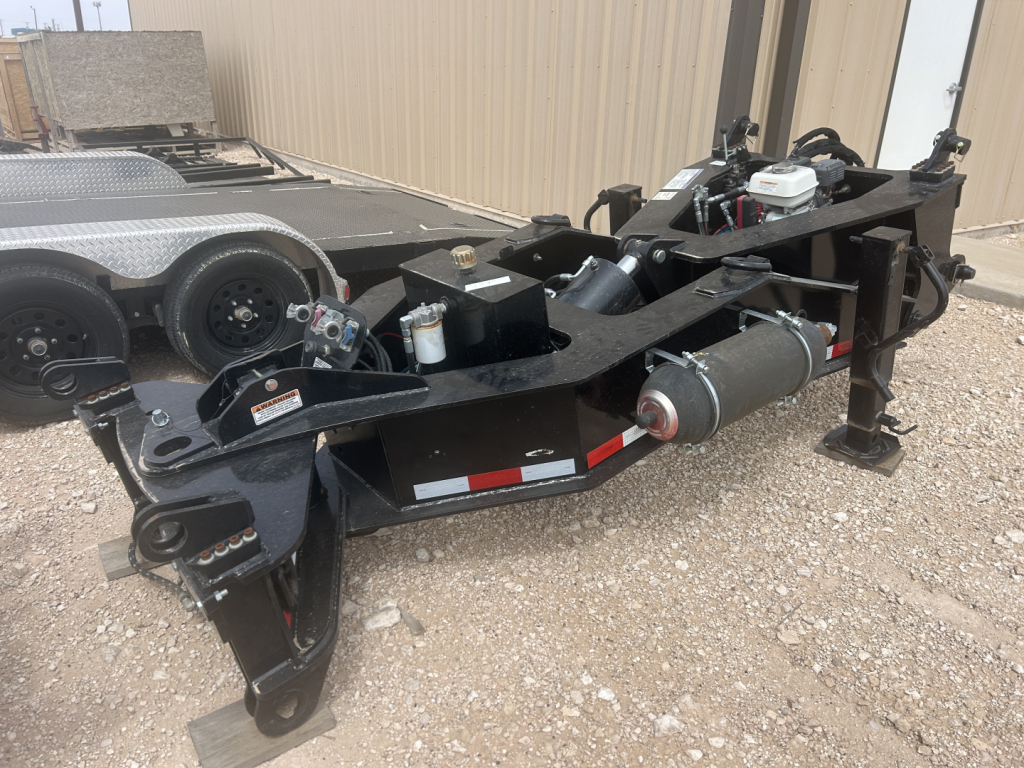
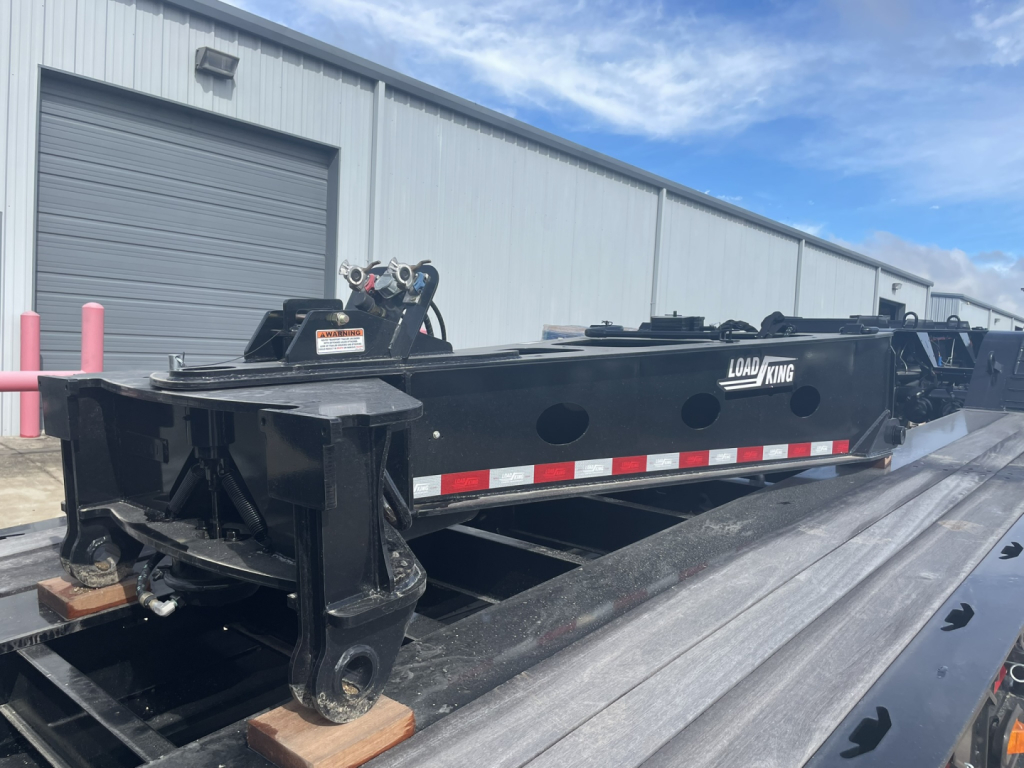
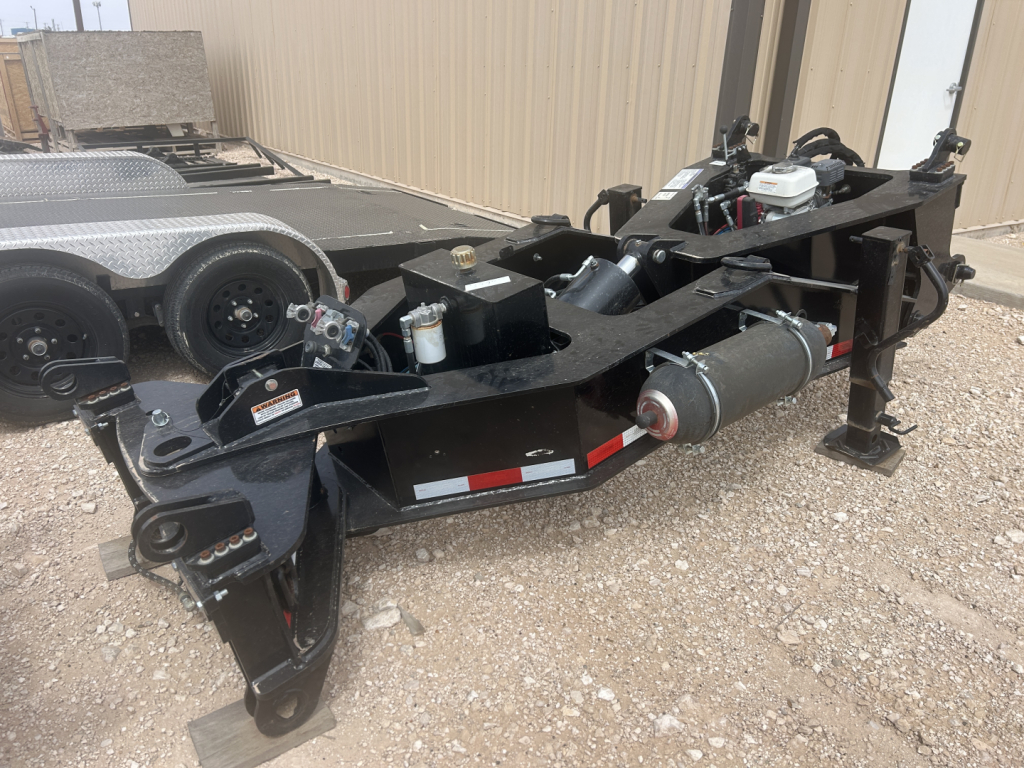
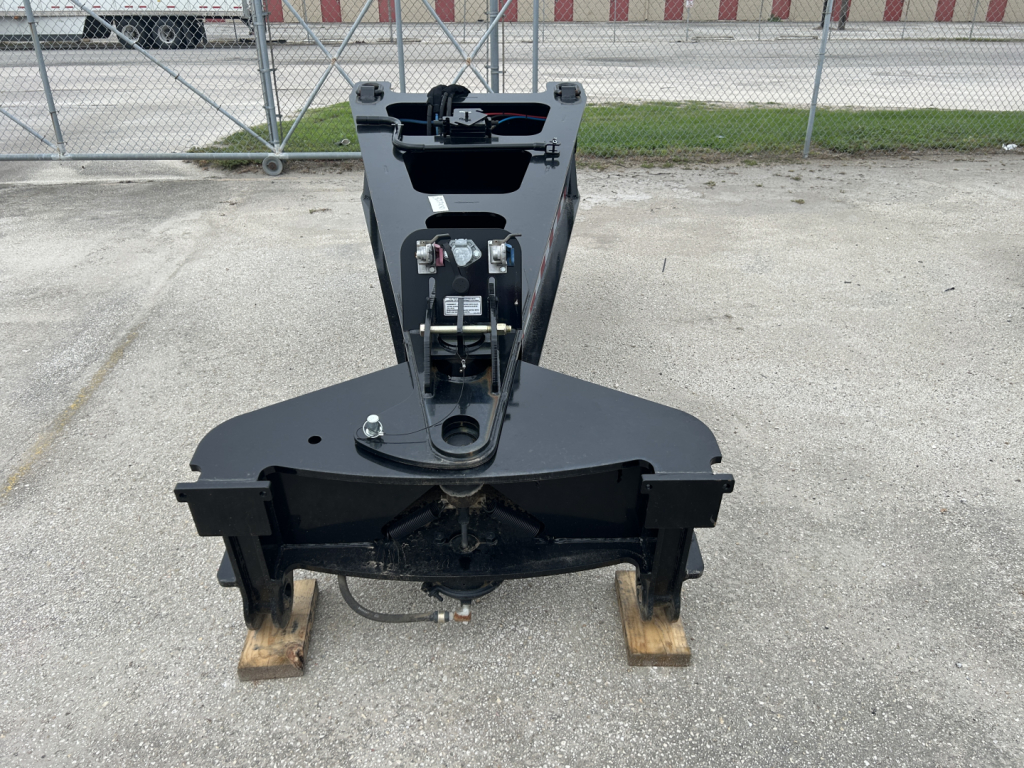
A good example is heavy haul support equipment such as a flip axle for a double drop or lowboy setup. These components are used to increase axle count, improve bridge compliance, and distribute weight more effectively for over-dimensional and concentrated loads. In that part of the market, buyers need to verify suspension type, axle spacing, connection style, frame construction, wheel end specs, brake package, and compatibility with the main trailer. Steel construction is common for durability in severe service, and details like ride height, loaded deck relationship, tire size, and braking connections matter more than cosmetic condition.
Because this category can include highly specialized trailers, fit-up and legal operation are usually bigger concerns than brand alone. Buyers in Alabama and across the Southeast often need equipment that can handle mixed highway and jobsite use, variable permit requirements, and demanding weight distribution rules. Check GAWR, overall width, empty weight, kingpin or drawbar configuration, deck or axle setup, and whether the unit is intended for a specific manufacturer’s platform. Replacement parts support, commonality with your existing fleet, and the availability of service for air, ABS, suspension, and lighting systems should all be part of the buying decision.
Condition matters, but application match matters more. A niche trailer that is correctly spec’d can be far more valuable than a newer unit that does not align with your freight or tractor-trailer combination. Look closely at structural areas, crossmembers, suspension hangers, brake condition, tire wear patterns, and any signs of frame modification or repair. For specialty hauling equipment, it is also smart to confirm VIN documentation, capacity ratings, and any state or federal requirements tied to the intended use. The best purchase in this category is the one that integrates cleanly into your operation and solves a specific hauling problem without creating new compliance or maintenance issues.
Frequently Asked Questions about Other Trailers in Alabama
What kinds of equipment are usually listed under other trailers?
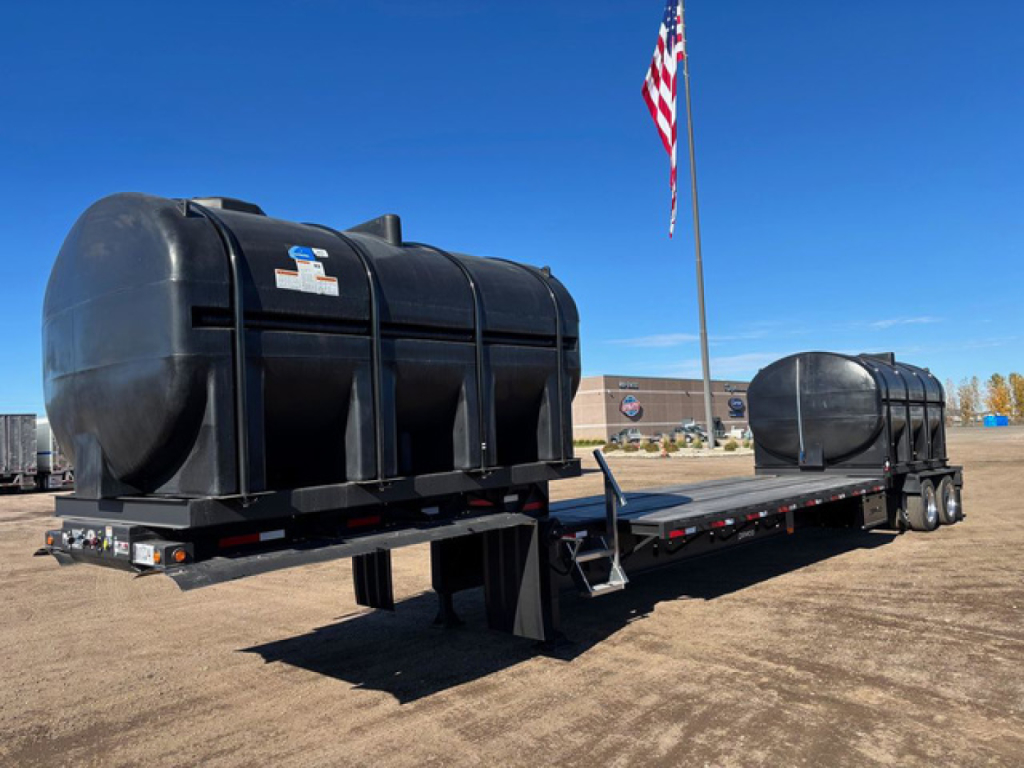
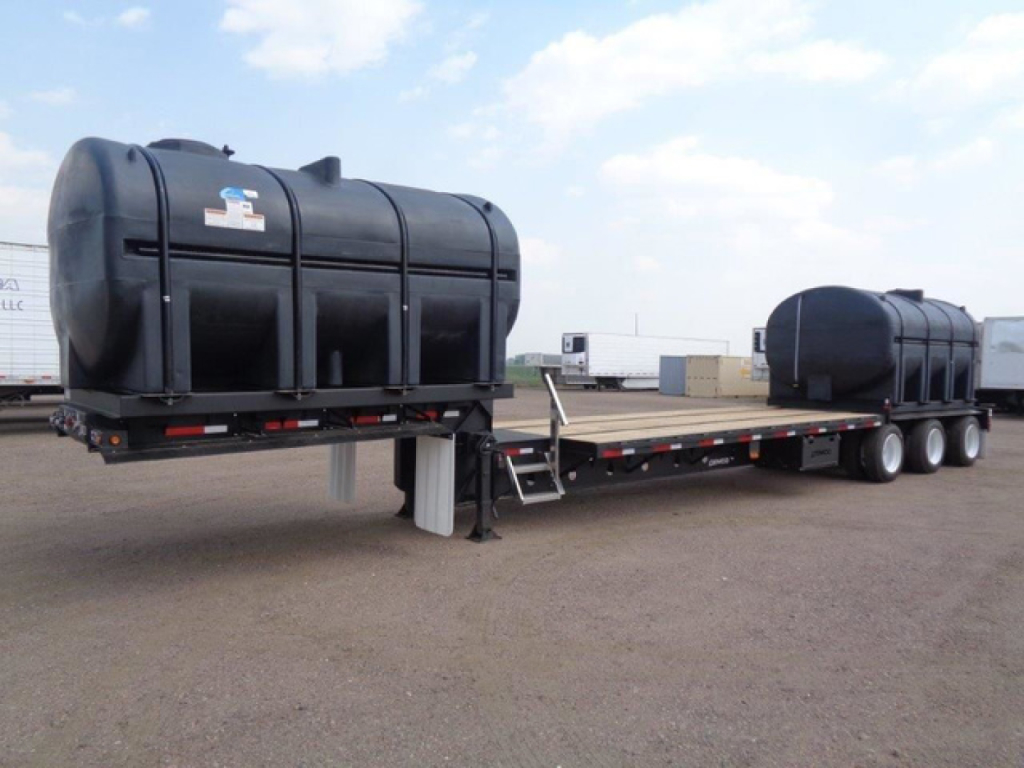
Other trailers typically include specialty or uncommon trailer types that do not fit standard marketplace categories. Examples can include flip axles, jeep dollies, booster axles, converter dollies, custom-built heavy haul components, and purpose-built trailers for specialized freight. The exact equipment varies by seller, so buyers should focus on the unit’s function, connection method, axle arrangement, and rated capacity rather than the broad category name.
How do I know if a specialty trailer or axle attachment will work with my current setup?
Compatibility starts with the main trailer and tractor configuration. Verify the connection style, ride height, brake and ABS integration, axle spacing, suspension type, tire and wheel specifications, and any manufacturer-specific design requirements. On heavy haul equipment, small differences in dimensions or connection hardware can create operational or legal problems, so matching the attachment to the base trailer model and intended load is critical.
What specs matter most when comparing other trailers for heavy haul use?
Capacity-related specifications should come first. Review GAWR, axle count, axle spacing, suspension design, frame material, overall tare weight, brake package, and wheel end specifications. For attachments such as flip axles, buyers should also confirm how the added axle affects bridge compliance, turning characteristics, and loaded deck geometry. A component that adds legal capacity but creates clearance or alignment issues may not be the right choice.
Are specialty trailers harder to maintain than standard trailer types?
They can be, especially when the equipment uses low-production parts or is built for a very specific application. Maintenance planning should include parts availability, brake and suspension service access, tire commonality, electrical and lighting system support, and the availability of technicians familiar with the design. Specialty equipment is often dependable when properly spec’d and maintained, but sourcing replacement components can take longer than it would for a standard van or flatbed trailer.
What should I inspect before buying a used trailer in this category?
Start with the structure and identification. Inspect the frame, welds, crossmembers, suspension mounts, axles, brakes, tires, wheels, air system, lights, and electrical connections. Look for uneven tire wear, signs of overloading, repaired cracks, and any modifications that could affect capacity or legality. For specialty equipment, confirm the VIN plate, manufacturer ratings, and any documentation that shows the unit’s intended application and compatibility with your existing trailer or hauling system.