
New Mack Mixer Trucks For Sale in Texas
Shop new Mack mixer trucks for concrete hauling in Texas. Compare Mack Granite specs, drum sizes, axle setups, and jobsite-ready configurations.
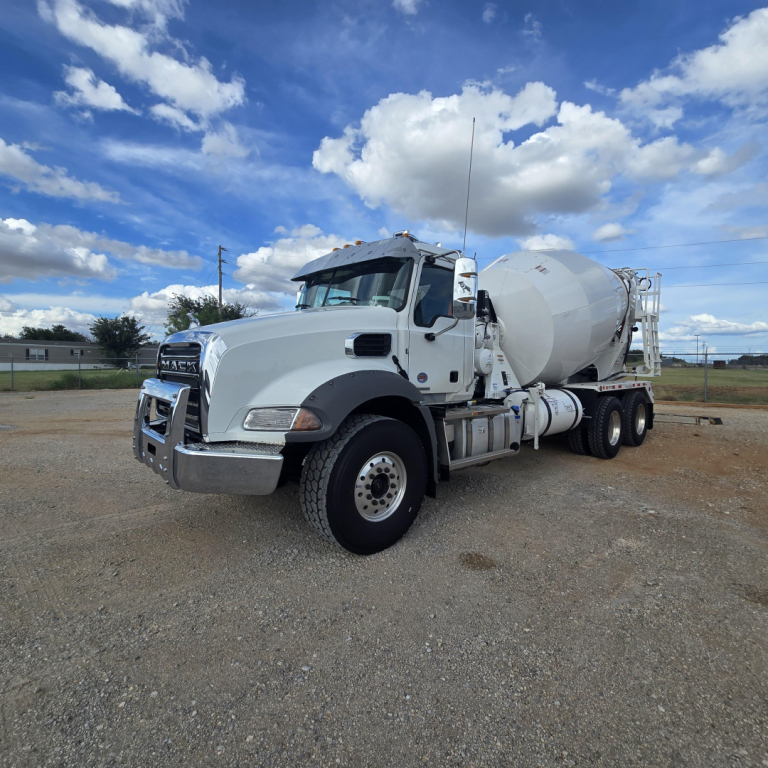
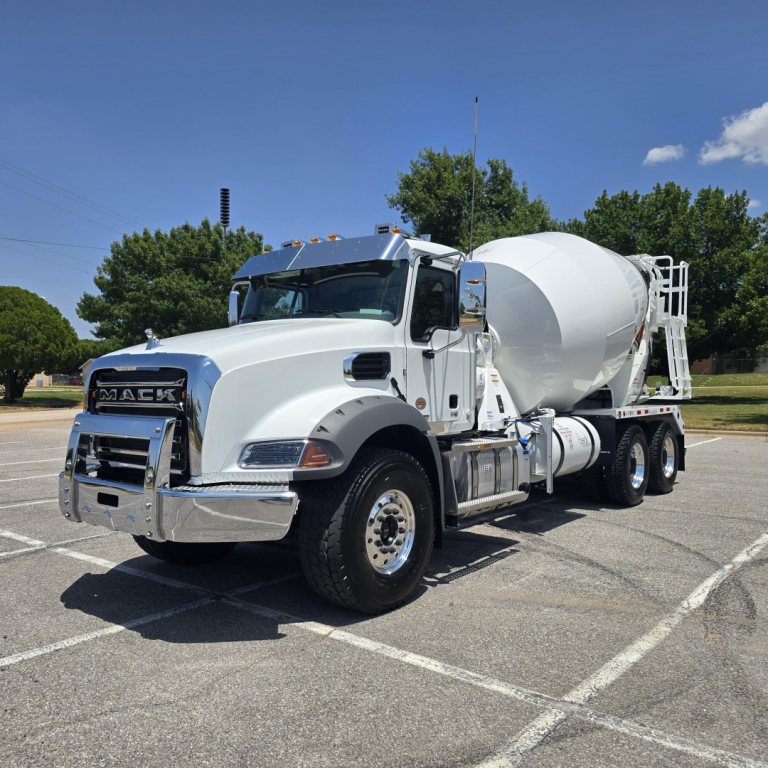
Have new mack mixer truck to sell? List it here to reach thousands of buyers.
New Mack Mixer Trucks in Texas
A buyer looking at a new Mack mixer truck should start with the chassis and drivetrain before focusing on the drum. Typical specs in this class include a Mack MP7 engine in the high-300 HP range, an Allison automatic transmission, tandem rear axles, differential locks, and a wheelbase matched to the mixer body and local bridge requirements. Front disc brakes, rear drum brakes, and vocational suspension packages are common on concrete trucks because stopping control and stability under load are critical. Drum capacities often fall around 10 to 11 cubic yards on straight mixer configurations, and body details such as drum material thickness, discharge opening size, water tank capacity, hopper design, and chute arrangement affect daily productivity more than many first-time buyers expect.
The mixer package itself deserves a close look because two trucks with similar chassis specs can perform very differently at the pour. Buyers should compare drum manufacturer, drive system, charge and discharge speed, water system layout, ladder and platform access, and washout-friendly features such as boot wash and clean-out provisions. For paving or high-volume residential work, an 11-yard setup may be attractive, but legal payload, axle ratings, and local operating conditions still need to line up. A well-matched mixer truck should balance capacity with turning radius, visibility, and site access, especially in tighter Texas metro markets where drivers deal with traffic, short staging areas, and frequent stop-and-go operation.
New Mack mixer trucks also appeal to fleets that want current emissions systems, updated safety features, and a fresh service life on one of the hardest-working truck classes in the industry. Cab comfort matters more than it used to, since mixer routes can involve long wait times, repeated short hauls, and constant PTO-related operation. Details like cruise control, driver-focused switch layout, visibility from the cab, and easy service access all add up over a full concrete season. For many buyers, the right Mack mixer truck is not just about rated capacity. It is about getting a severe-duty chassis, an appropriately sized drum, and a mixer body spec that fits the plant, route, and job mix the truck will handle every week.
Frequently Asked Questions about New Mack Mixer Trucks in Texas
What engine and transmission are common in a new Mack mixer truck?
Many new Mack mixer trucks are equipped with a Mack MP7 diesel engine and an Allison automatic transmission. That combination is popular in ready-mix service because it provides strong low-end torque, smooth launch under load, and easier operation in traffic and on jobsites. Exact horsepower, transmission model, and axle ratios should be matched to drum size, terrain, and average haul distance.
What drum size is typical on a Mack concrete mixer truck?
A common range for straight Mack mixer trucks is about 10 to 11 cubic yards, though legal payload and bridge formula limits can affect usable capacity. The right drum size depends on axle ratings, chassis wheelbase, local regulations, and the type of concrete work being performed. Bigger is not always better if the truck spends most of its time in tight urban sites or weight-restricted areas.
Why is the Mack Granite chassis popular for mixer applications?
The Mack Granite is widely used in mixer applications because it is a severe-duty vocational chassis built for high frame stress, repetitive loading cycles, and rough jobsite conditions. It is known for good visibility, durable frame construction, and compatibility with mixer body upfits from major body manufacturers. Buyers also value its vocational-spec axle options, suspension choices, and drivetrain configurations.
What should I compare besides the chassis on a new mixer truck?
The mixer body spec is just as important as the truck chassis. Buyers should compare drum construction, drum capacity, discharge opening, water tank size, chute setup, hopper design, hydraulic or mechanical drive components, and access features for cleaning and maintenance. Those details affect pour speed, washout time, service life, and how efficiently the truck performs in daily concrete operations.
Are new Mack mixer trucks a good fit for Texas concrete work?
Yes, Mack mixer trucks are commonly configured for the mix of highway travel, plant runs, suburban development, and rough-access jobsites seen across Texas. Buyers should still verify axle configuration, wheelbase, suspension, and drum size against the operating region. A truck serving dense metro pours in Houston or Dallas may need a different spec than one running longer distances or rougher approaches in West Texas or fast-growing rural markets.