
New Hyundai Trailers For Sale
Shop new Hyundai trailers including dry van and high cube models with composite construction, air ride suspension, galvanized components, and fleet-ready specs.
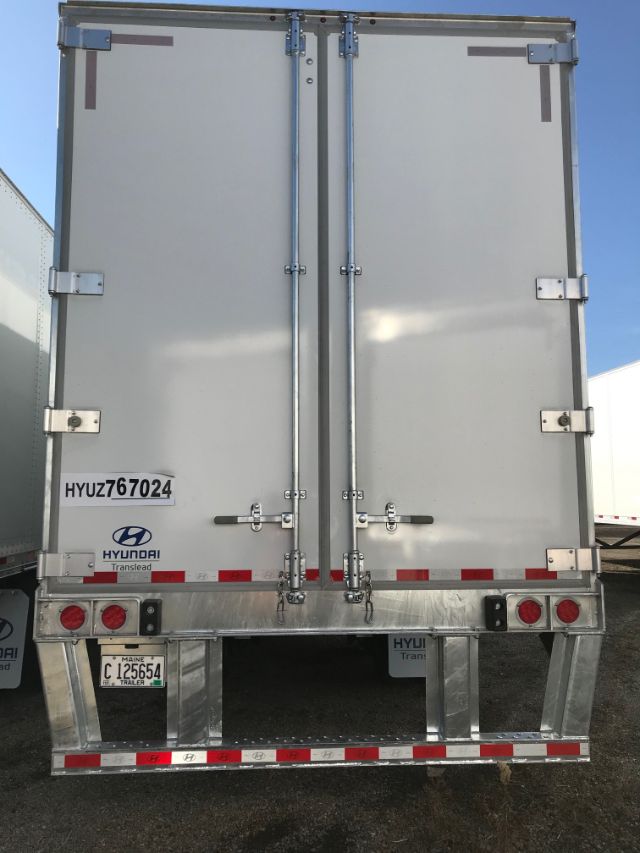
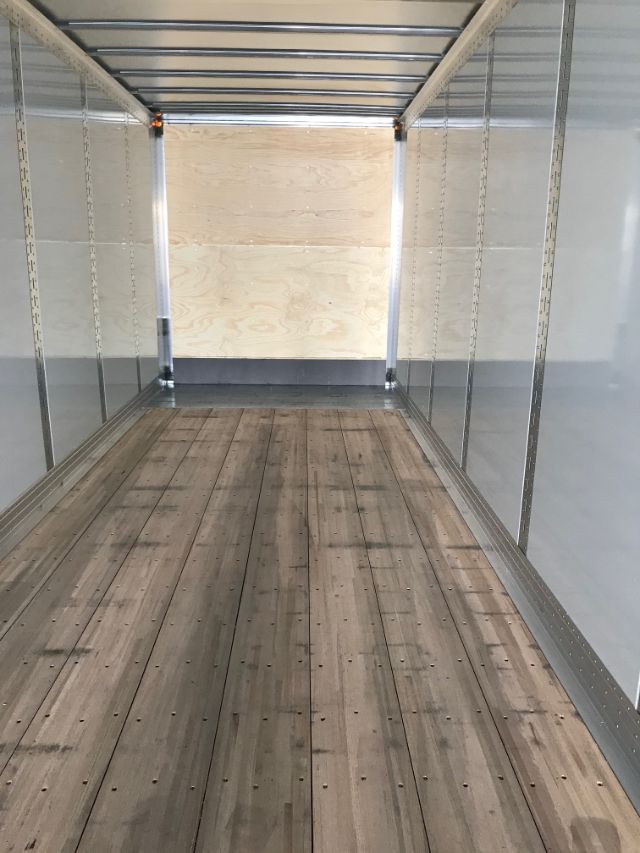
Selling a new hyundai trailer? List your new hyundai trailer for sale and reach thousands of commercial buyers.
New Hyundai Trailers
A typical new Hyundai van trailer is built at 53 feet long and 102 inches wide, usually with air ride suspension and fleet-standard running gear from suppliers such as Hendrickson. Common spec points include swing doors, hardwood flooring, aluminum roofs, composite sidewalls, and galvanized or corrosion-resistant understructure components. Many buyers also look for tire inflation systems, side skirts, LED lighting, and other fuel-efficiency or uptime-focused options. On high-mileage lanes, those details affect maintenance intervals, tire life, trailer weight, and long-term operating cost more than the badge alone.
The biggest buying decision usually comes down to application. A standard dry van handles broad freight mixes and dock-to-dock work well, while a high cube configuration gives shippers extra cubic capacity for lightweight freight that cubes out before it weighs out. Composite construction is attractive for fleets focused on clean appearance, corrosion resistance, and repairable panel systems, but buyers should still review floor rating, crossmember spacing, rear frame design, and door hardware based on actual loading practices. If the trailer will see heavy forklift traffic, multi-stop palletized freight, or slip-seat drop-and-hook service, suspension spec, floor package, and rear impact protection deserve a closer look.
For buyers comparing new Hyundai trailers across multiple listings, the smart approach is to look past year and model name and focus on operating spec. Confirm suspension type, rear door style, roof material, flooring, tire package, and whether the trailer includes aerodynamic equipment or PSI-style tire inflation. Also compare corrosion protection, warranty support, and parts commonality with the rest of the fleet. Hyundai trailers have a long foothold in over-the-road van service because they fit standard fleet operations well, and the right spec can make a noticeable difference in payload consistency, downtime, and total cost per mile.
Frequently Asked Questions about New Hyundai Trailers
What types of new Hyundai trailers are most common on the market?
The most common new Hyundai trailers are 53-foot dry van trailers, including standard dry vans and high cube models such as composite-body configurations. These trailers are built for general freight and retail distribution, with common features like 102-inch width, air ride suspension, swing doors, hardwood floors, and aluminum roof construction. High cube versions are especially useful for freight that reaches cubic capacity before gross weight.
What is the difference between a standard Hyundai dry van and a Hyundai high cube trailer?
A standard Hyundai dry van is designed for broad over-the-road freight applications, while a Hyundai high cube trailer provides additional interior cubic capacity for lightweight products. The practical advantage of a high cube trailer is better utilization on loads such as paper goods, packaging, consumer products, and other freight that fills the trailer before hitting legal weight limits. Buyers should confirm interior height and door opening dimensions if cube is a primary concern.
Why do buyers look for composite construction on new Hyundai trailers?
Composite construction is popular because it can offer a good balance of durability, appearance, and maintenance control. Composite sidewall designs are often chosen for corrosion resistance, cleaner exterior presentation, and panel repair considerations compared with some traditional sheet-and-post designs. The value of composite construction depends on the fleet's repair network, freight profile, and expected trailer lifecycle, so it should be evaluated alongside floor strength, frame protection, and tare weight.
What specs matter most when comparing new Hyundai dry van trailers?
The most important specs usually include trailer length and width, suspension type, floor package, roof material, rear door configuration, corrosion protection, and tire system options. Air ride suspension is a common fleet preference for ride quality and cargo protection. Buyers should also pay attention to galvanized components, aerodynamic side skirts, tire inflation systems, and the exact flooring and rear frame spec if the trailer will be used in heavy dock traffic or high-cycle drop-and-hook operations.
Are new Hyundai trailers a good fit for fleet operations?
New Hyundai trailers are widely used in fleet service because they are typically available with mainstream, fleet-friendly specifications and component packages that support standardized maintenance. Their popularity in dry van applications also helps with parts familiarity, shop training, and resale confidence. The best fit depends on lane length, loading method, freight density, and how closely the trailer spec matches the rest of the operation.