
New Fontaine Flatbed Trailers For Sale in Iowa
Compare new Fontaine flatbed trailers for sale in Iowa, including aluminum and combo models built for payload, securement flexibility, and durability.
No exact matches found for your search
Showing New Flatbed Trailers in Iowa instead.
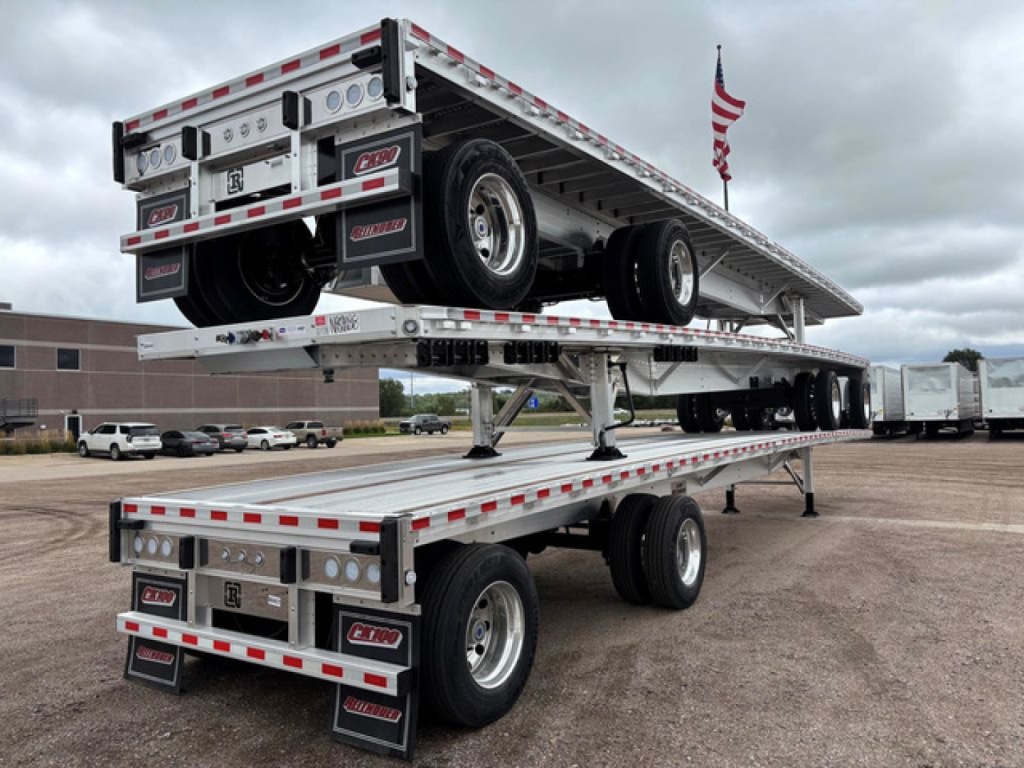
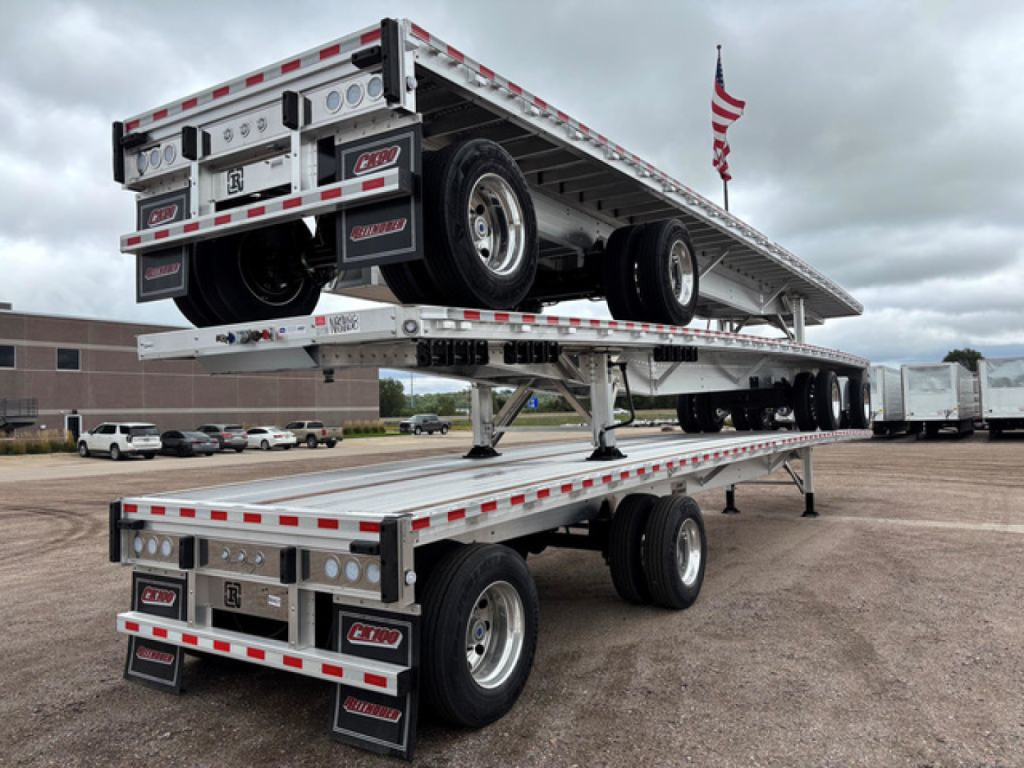

Selling a new fontaine flatbed trailer? List your new fontaine flatbed trailer for sale and reach thousands of commercial buyers.
New Fontaine Flatbed Trailers in Iowa
One of the main buying decisions is all-aluminum versus combo construction. An all-aluminum Fontaine flatbed is usually the lightest option and makes sense when payload is the priority on every trip. Combo models, such as those built with steel crossmembers on close centers and aluminum flooring and side components, trade a little weight for added toughness in concentrated-load applications. Buyers moving coils, dense machinery, or freight that regularly loads hard in small footprint areas should pay close attention to frame rating, crossmember spacing, coil package specs, and ratings such as 55,000 pounds in 4 feet. These details matter more than advertised tare weight alone.
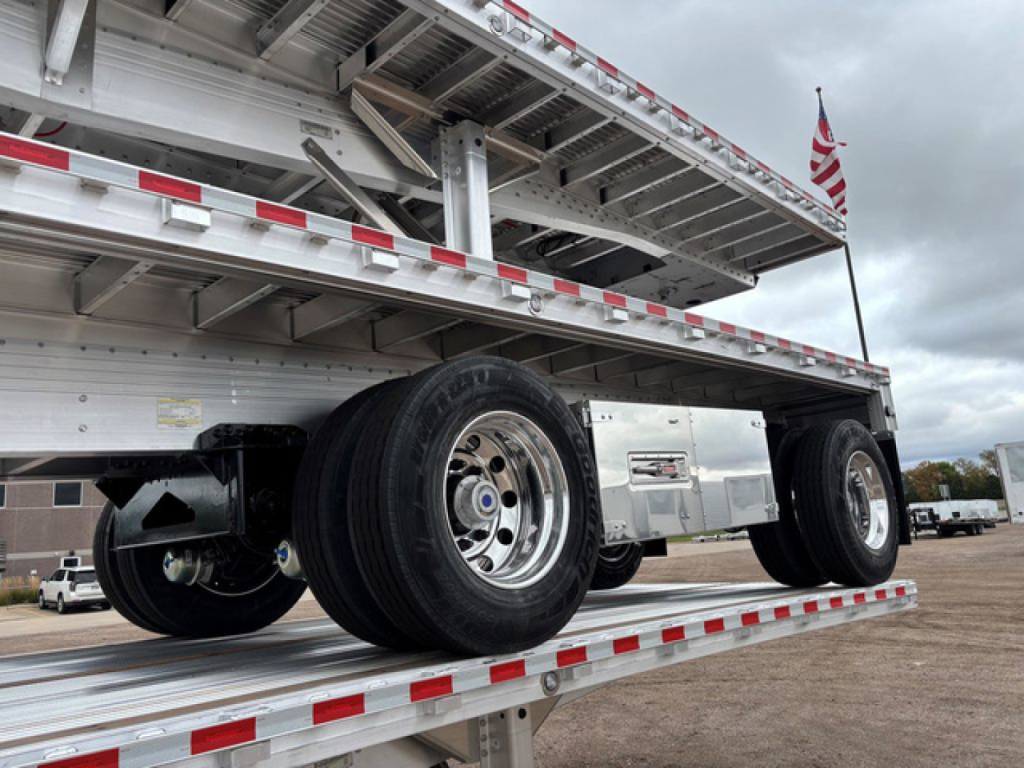
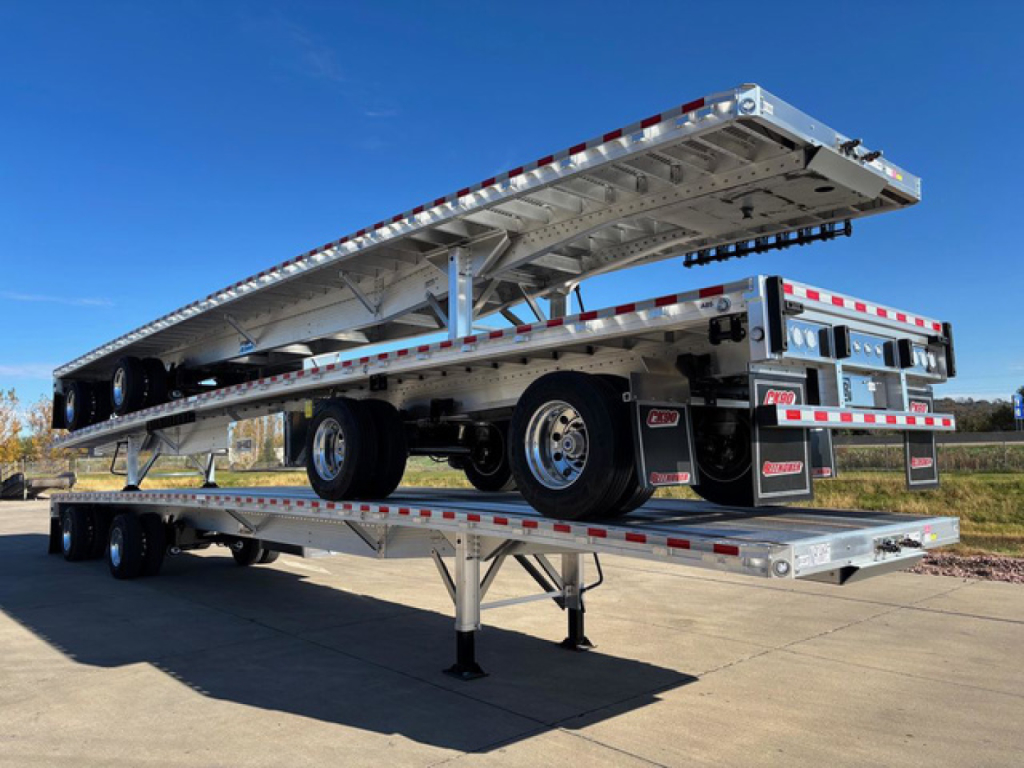
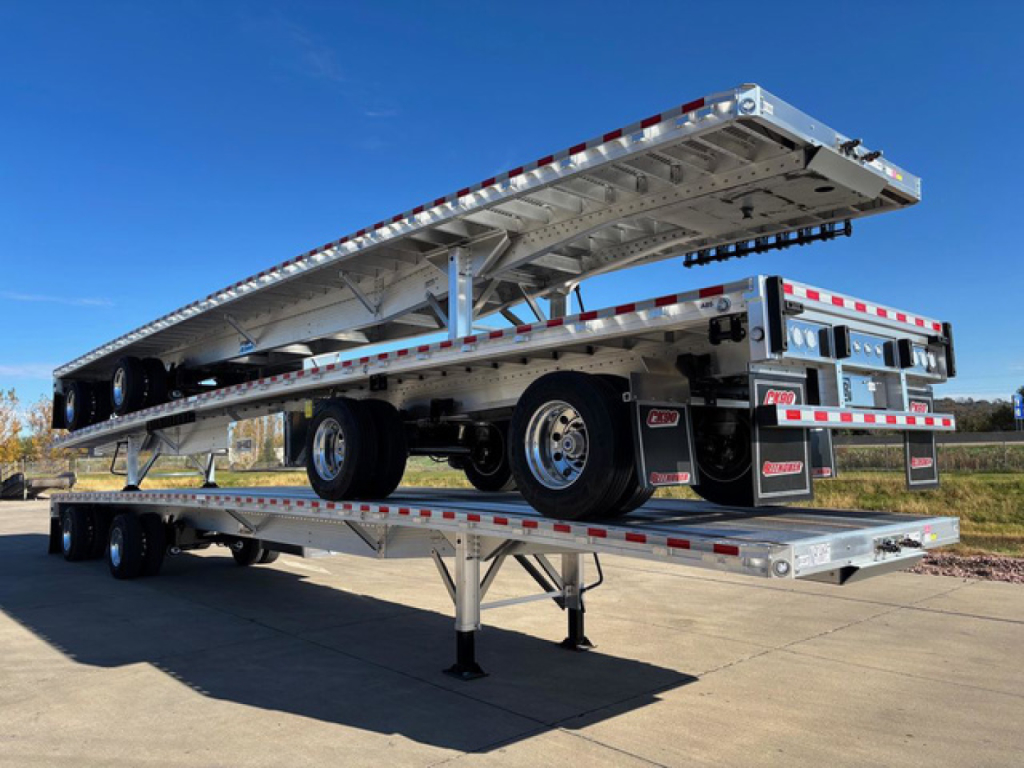
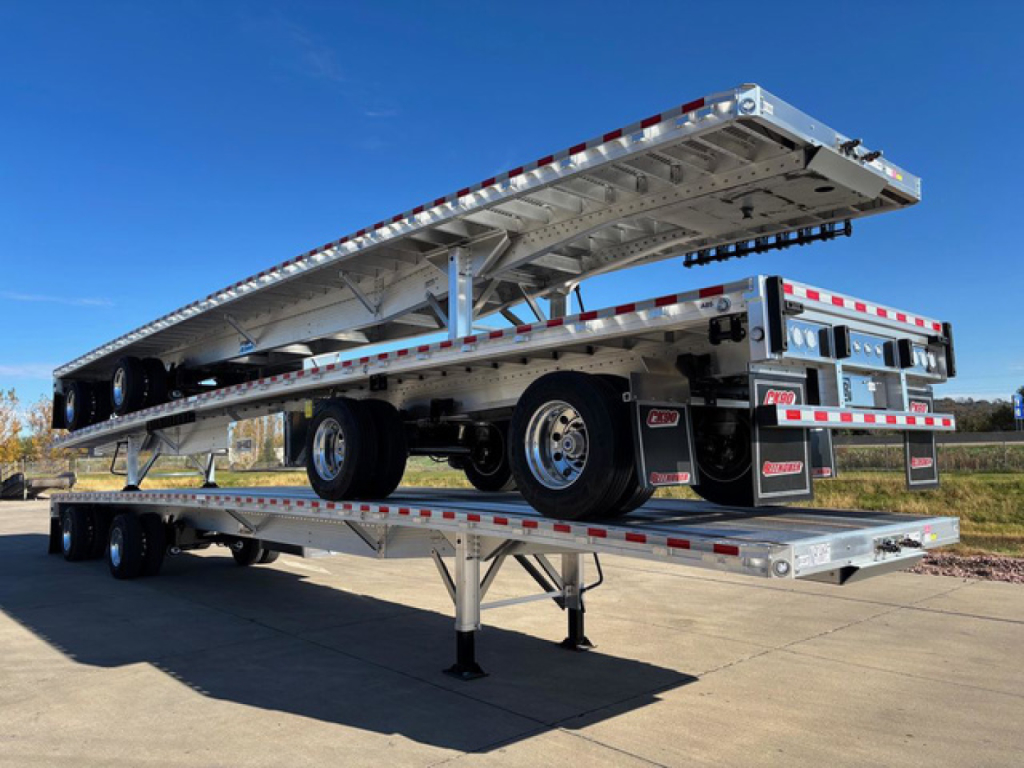
Fontaine flatbeds are also recognized for practical securement features. Common specs include routed aluminum side rails, also known as RASR rails, double L-style winch tracks, sliding winches, pop-up chain ties, hook retainers, and coil packages. Floor design is another major differentiator. Some Fontaine aluminum models use StirLITE floor construction, which is designed to reduce weight while maintaining deck strength and durability. Recessed lighting, protected conspicuity tape placement, LED electrical systems, air ride suspensions, rear axle slides, and widespread axle setups are all worth comparing because they affect daily usability, maintenance exposure, and bridge-law flexibility.
For Iowa buyers, axle spread, suspension type, kingpin setting, and axle slide position deserve close review because they influence how easily the trailer will adapt to regional freight lanes and permit common weight distributions. A 48-foot combo flatbed may fit operations focused on dense commodity freight and mixed jobsite deliveries, while a 53-foot all-aluminum flatbed can be a strong choice for maximizing legal payload on longer-haul freight. Landing gear bracing, hub type, wheel material, tire size, and rear axle dump systems also play into long-term operating cost. The best Fontaine flatbed is usually the one matched to your freight profile first, then optimized for tare weight, securement speed, and service life.
Frequently Asked Questions about New Fontaine Flatbed Trailers in Iowa
What is the difference between a Fontaine all-aluminum flatbed and a Fontaine combo flatbed?
A Fontaine all-aluminum flatbed is designed to minimize trailer weight and maximize payload, which is important for operations that load out heavy on a regular basis. A Fontaine combo flatbed uses a mix of steel and aluminum, commonly with steel crossmembers and aluminum deck and side components, to provide added durability in concentrated-load applications. The right choice depends on freight density, loading practices, and how much value you place on lower tare weight versus added structural robustness.
What freight are Fontaine flatbed trailers commonly used to haul?
Fontaine flatbed trailers are commonly used for steel products, lumber, wallboard, pipe, machinery, vehicles, palletized building materials, and other open-deck freight that can be loaded from the side, rear, or overhead. Many models are equipped for tougher applications with coil packages, chain tie-down points, sliding winches, and strong side rail systems. Buyers hauling dense or irregular freight should verify deck rating, concentrated load capacity, and securement layout before making a decision.
Why do securement features matter so much on a flatbed trailer?
Securement features directly affect loading speed, driver efficiency, and how many different freight types the trailer can handle. Features such as routed aluminum side rails, winch tracks on both sides, sliding winches, pop-up chain ties, and hook retainers give the driver more tie-down options and reduce the time spent repositioning equipment. A better securement package also helps when hauling mixed freight because the trailer can adapt more easily to different load lengths, shapes, and securement angles.
What specs should I compare first on a new Fontaine flatbed trailer?
Start with trailer length, construction type, tare weight, axle configuration, and frame rating. After that, compare crossmember spacing, kingpin setting, suspension type, axle spread, rear slide, floor design, and securement equipment. These are the specs that most directly affect legal payload, freight compatibility, bridge compliance, and long-term durability. Cosmetic details matter less than how well the trailer is set up for your actual lane and commodity mix.
Are widespread axles and air ride suspensions common on Fontaine flatbeds?
Yes. Many Fontaine flatbeds are spec'd with air ride suspensions and widespread axle configurations because they help with ride quality, weight distribution, and legal loading flexibility. A widespread setup can be especially useful for heavier freight and bridge-law considerations, while air ride can reduce shock transfer into the trailer and cargo. Buyers should still confirm axle spacing, dump valve setup, and slide position because those details determine how useful the configuration will be in day-to-day operation.