
Mechanic Trucks For Sale in Florida
Shop mechanic trucks for sale in Florida. Compare service bodies, cranes, compressors, GVWR, PTO setups, and storage options.
No exact matches found for your search
Showing Mechanic Trucks instead.
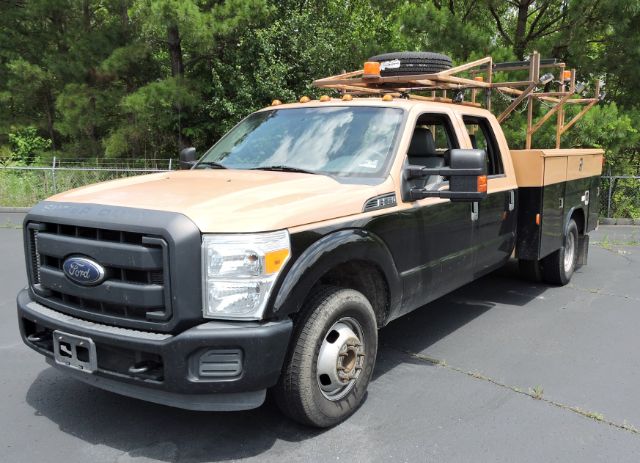
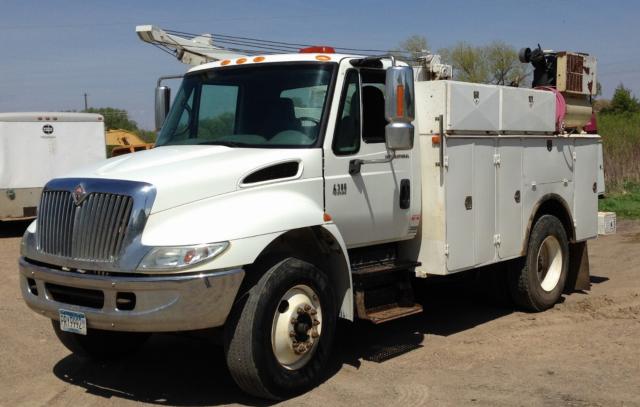
Selling a mechanic truck? List your mechanic truck for sale and reach thousands of commercial buyers.
Mechanic Trucks in Florida
The most important spec decisions are payload, crane capacity, and PTO-driven accessories. Common mechanic truck bodies include side-pack service bodies with multiple locking compartments, reinforced work decks, and rear tool access for oils, parts, and service equipment. Many trucks are outfitted with an air compressor, welder-generator, hose reels, jump-start systems, and hydraulic outriggers. Crane ratings vary widely, so buyers should look beyond the headline number and confirm lift capacity at the working radius they actually need. If the truck will handle engines, hydraulic cylinders, pumps, or field fabrication work, check the condition of the crane, winch, stabilizers, and PTO system carefully.
In Florida, climate and operating environment should be part of the buying decision. Coastal exposure can accelerate corrosion on service bodies, electrical connections, crane components, and compartment floors. Trucks that have worked around marine fleets, utilities, or salt-air environments deserve a closer inspection underneath and inside every box. Air conditioning performance, cooling system condition, and clean electrical routing matter in a hot-weather service fleet. If the truck will spend time on mixed pavement and soft ground, tire type, rear axle ratio, suspension condition, and the truck's loaded stability are worth checking before purchase.
A good mechanic truck should reduce downtime, not create it. Look for a body layout that fits the parts and tools your technicians use every day, enough GVWR for the installed equipment, and a chassis that can still carry the load without feeling maxed out. Diesel engines are common on this category because they pair well with PTO operation and heavier service bodies, but gas-powered trucks can still make sense for lighter-duty urban service. Buyers comparing listings should pay attention to service body brand, crane make and model, compressor output, compartment configuration, wheelbase, and signs of electrical or hydraulic add-ons done cleanly versus improvised in the field.
Frequently Asked Questions about Mechanic Trucks in Florida
What is a mechanic truck used for?
A mechanic truck is used for mobile repair and maintenance work away from a fixed shop. It typically carries tools, parts, lubricants, welding equipment, compressed air, and a crane so technicians can perform field service on construction equipment, trucks, agricultural machinery, and industrial assets. The main advantage is reduced equipment downtime because repairs can be handled on-site.
What should I check first on a used mechanic truck?
Start with the service body, crane, and PTO-operated equipment before focusing only on engine miles. Inspect compartment floors, door seals, hinges, latch hardware, work deck condition, and any signs of body corrosion or cracking around crane mounts. Then verify compressor operation, welder-generator function, hydraulic controls, outriggers, and winch performance. A used mechanic truck can have a sound chassis but still require expensive body or equipment repairs if the upfit has been heavily worked.
How much crane capacity does a mechanic truck need?
The right crane capacity depends on what the truck will actually lift and at what reach. Buyers should compare not only the maximum lift rating but also the load chart at realistic working radiuses. Lifting a component close to the bed is very different from lifting it several feet out. For many field service applications, stability, outrigger footprint, and chassis payload are just as important as the crane's top-line rating.
Are diesel mechanic trucks better than gas models?
Diesel mechanic trucks are often preferred for heavier service bodies, PTO use, and higher daily duty cycles because they generally provide strong low-end torque and good durability under load. Gas models can still be a practical choice for lighter mechanic service, shorter routes, and lower annual mileage where acquisition cost and maintenance simplicity matter more. The better choice depends on body weight, accessory load, travel distance, and how often the truck idles or runs equipment on site.
What matters most when buying a mechanic truck in Florida?
In Florida, corrosion exposure, cooling performance, and electrical condition deserve extra attention. Salt air and humidity can damage service body compartments, fasteners, crane components, and wiring connections even when the truck looks acceptable from the outside. Buyers should inspect the underside, compartment interiors, hydraulic lines, and electrical terminals carefully, and confirm the air conditioning and engine cooling systems are working properly for year-round field use.