
International Box Trucks For Sale in New Jersey
Browse International box trucks for sale in New Jersey. Compare body sizes, GVWR, liftgate options, and diesel medium-duty specs.
No exact matches found for your search
Showing Box Trucks in New Jersey instead.
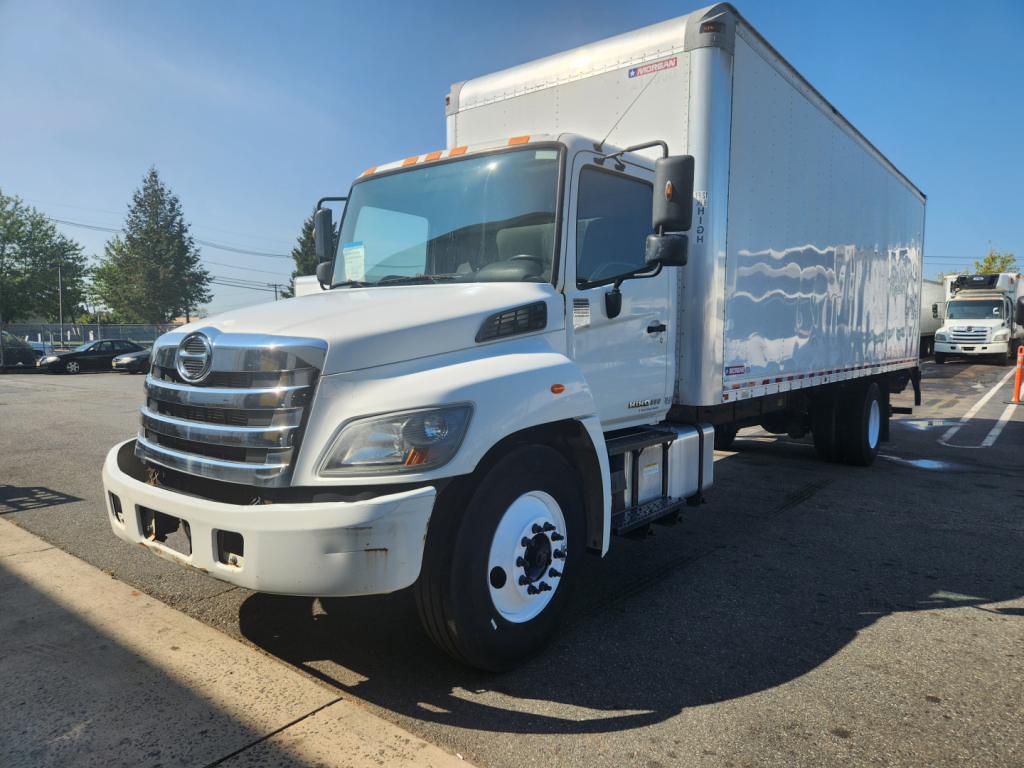
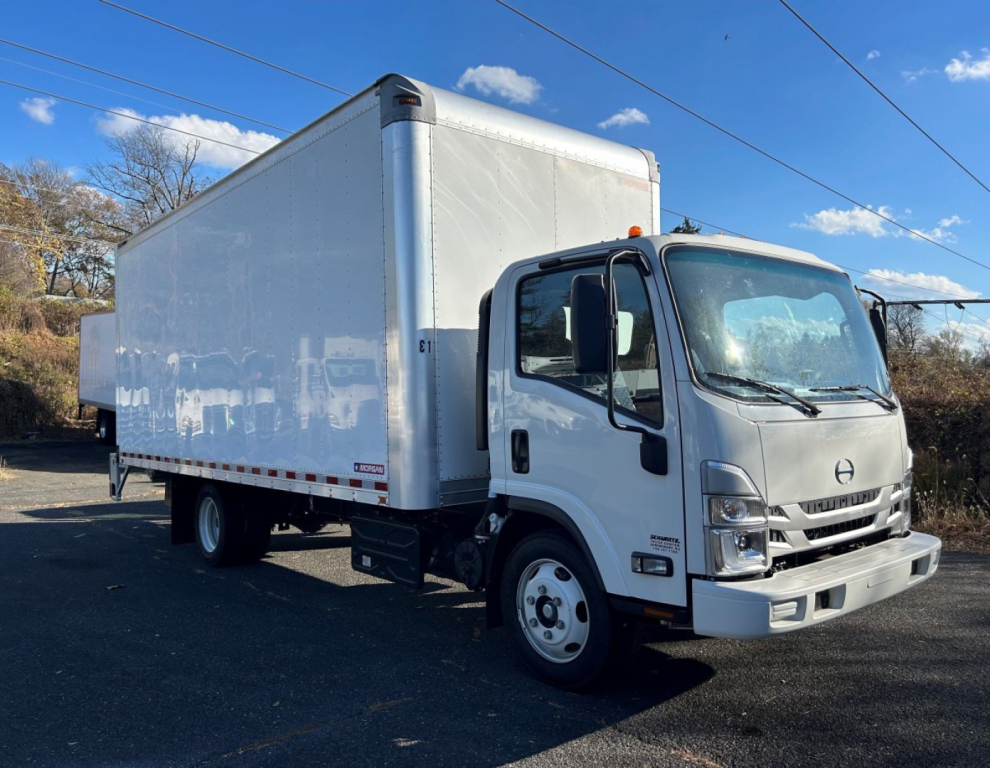
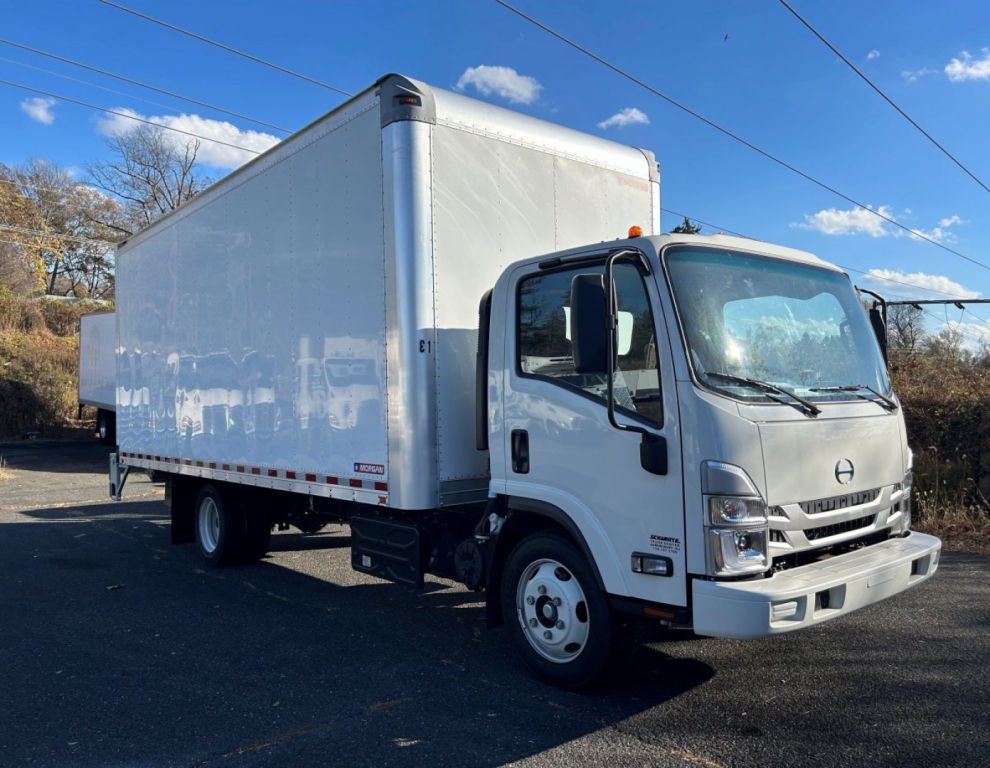
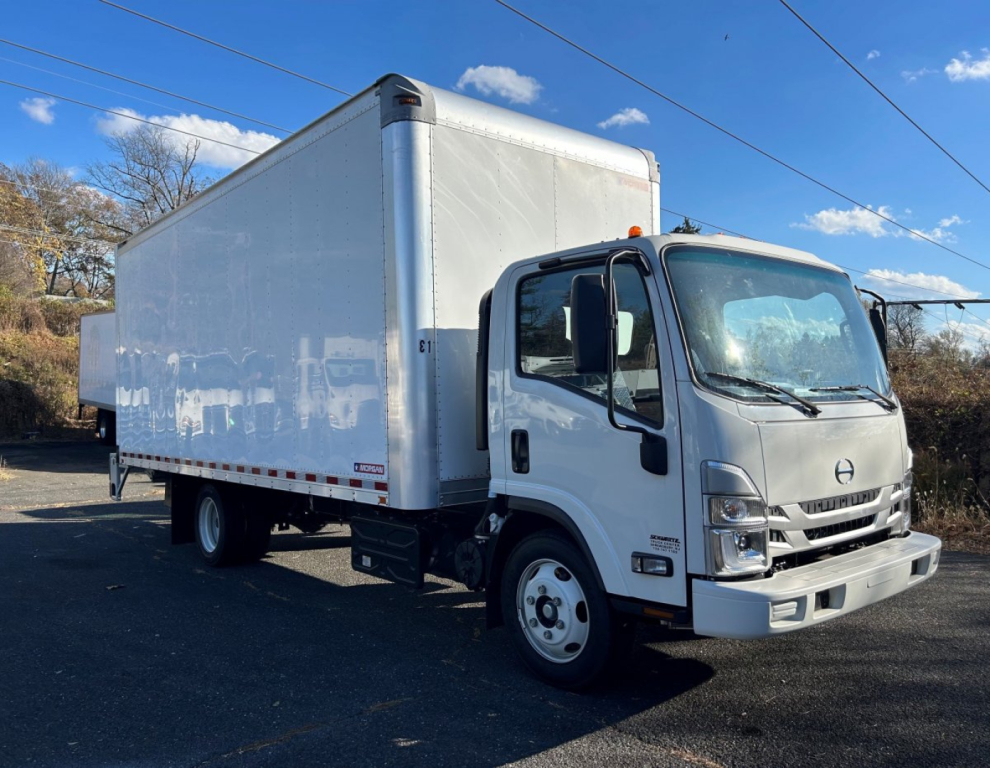
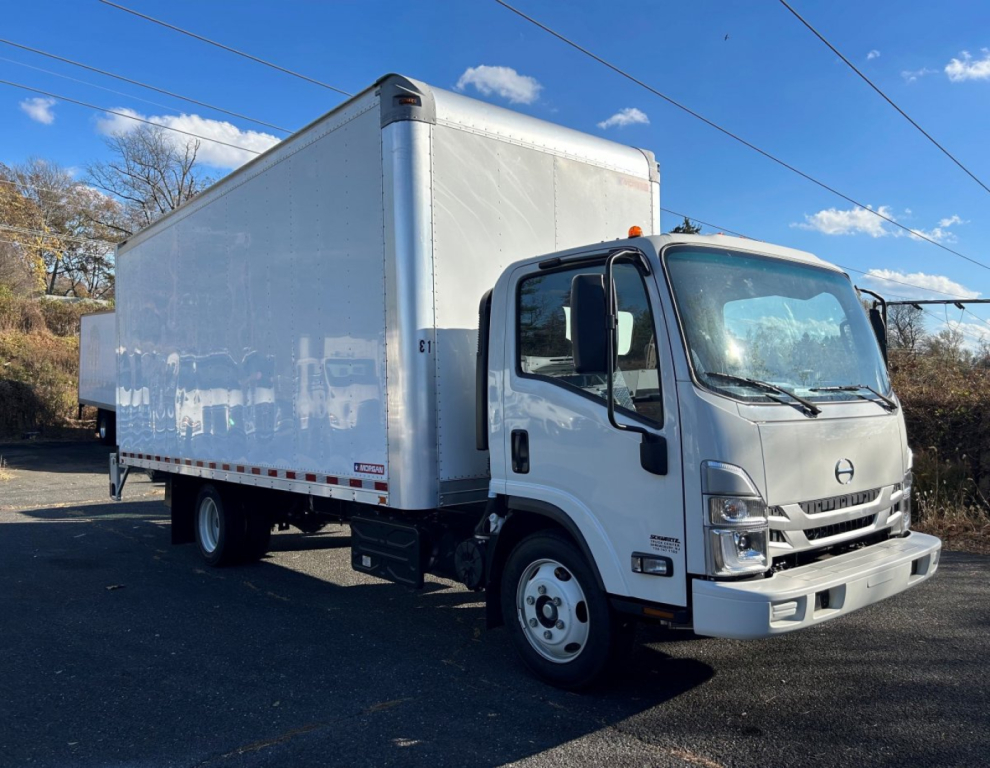
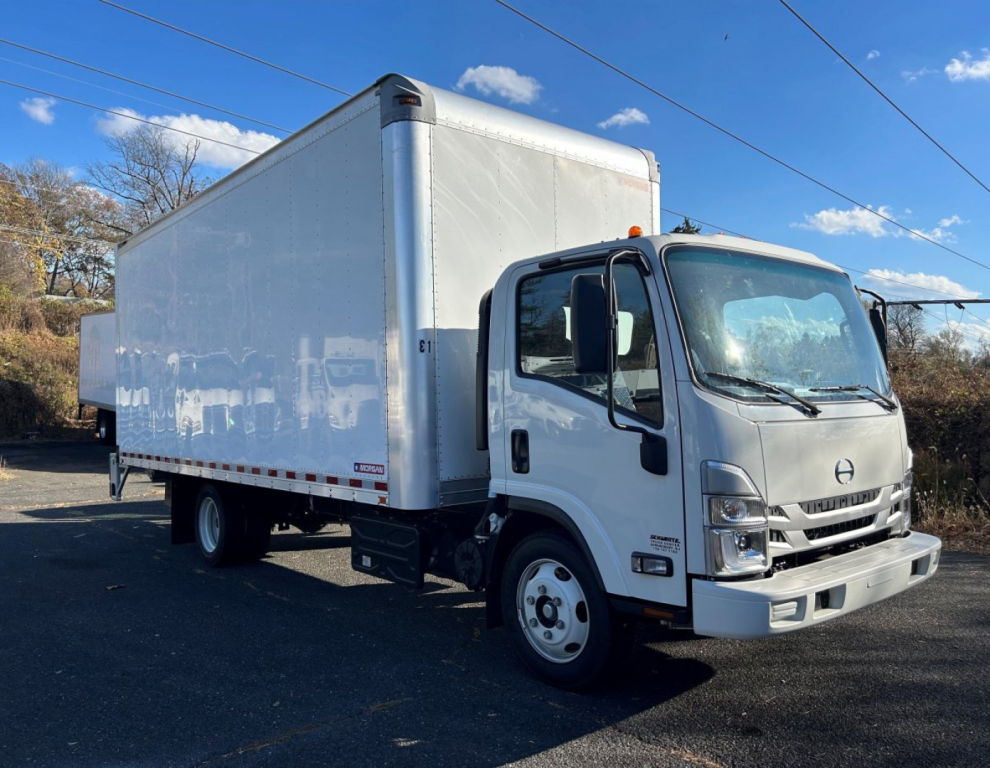
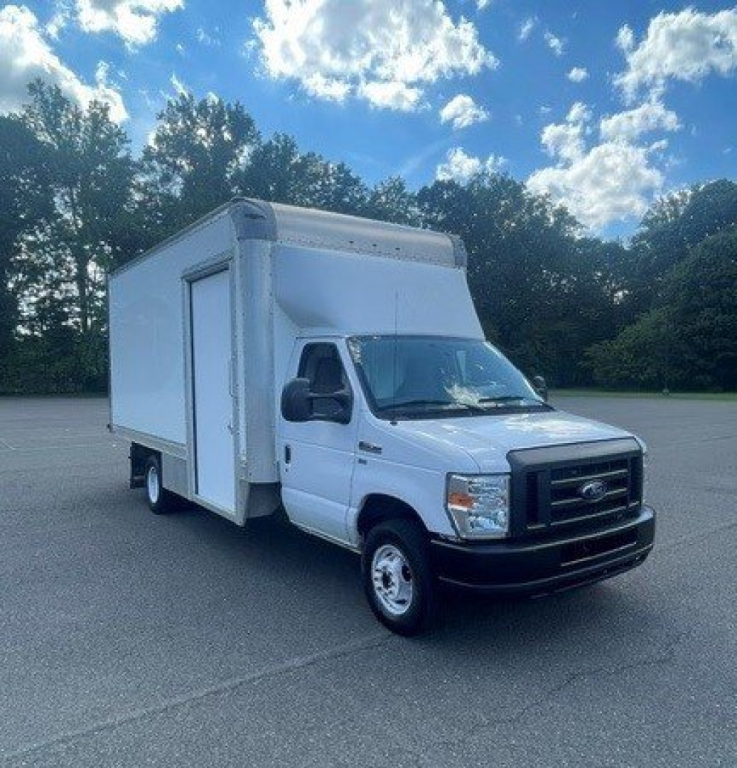
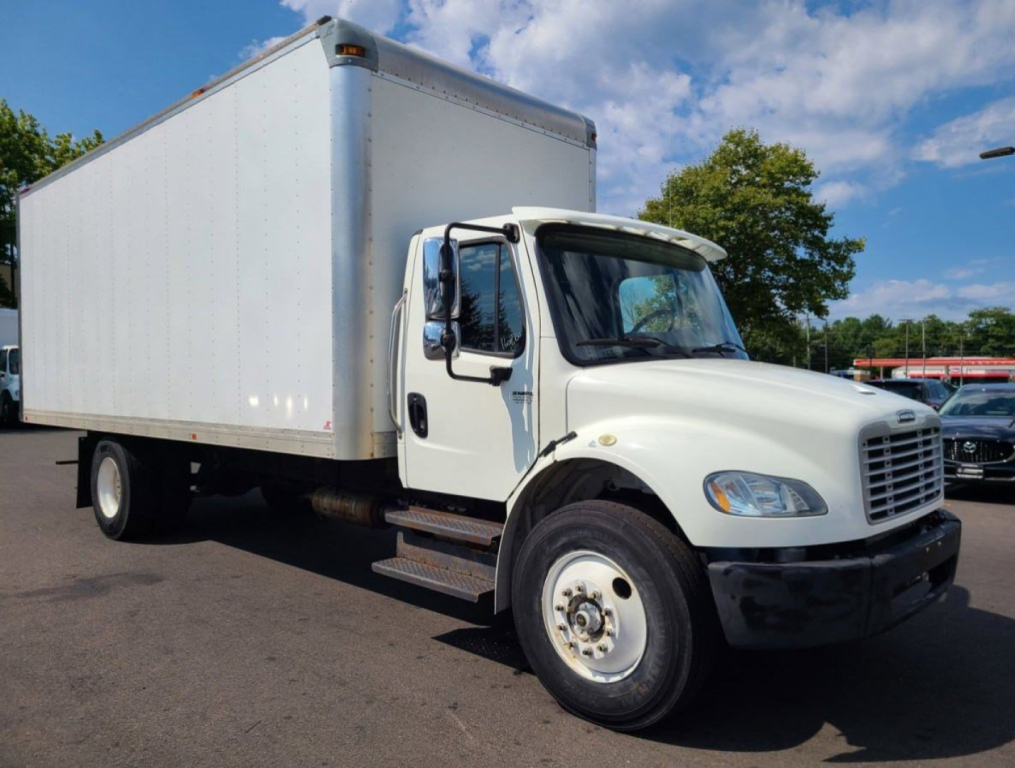
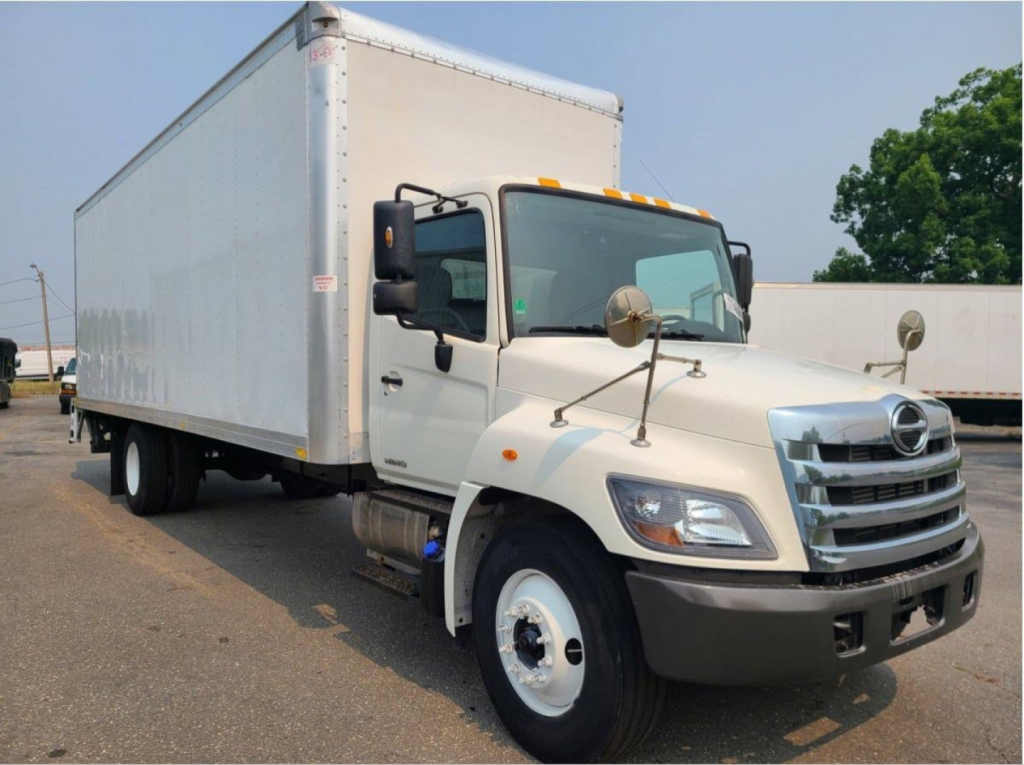
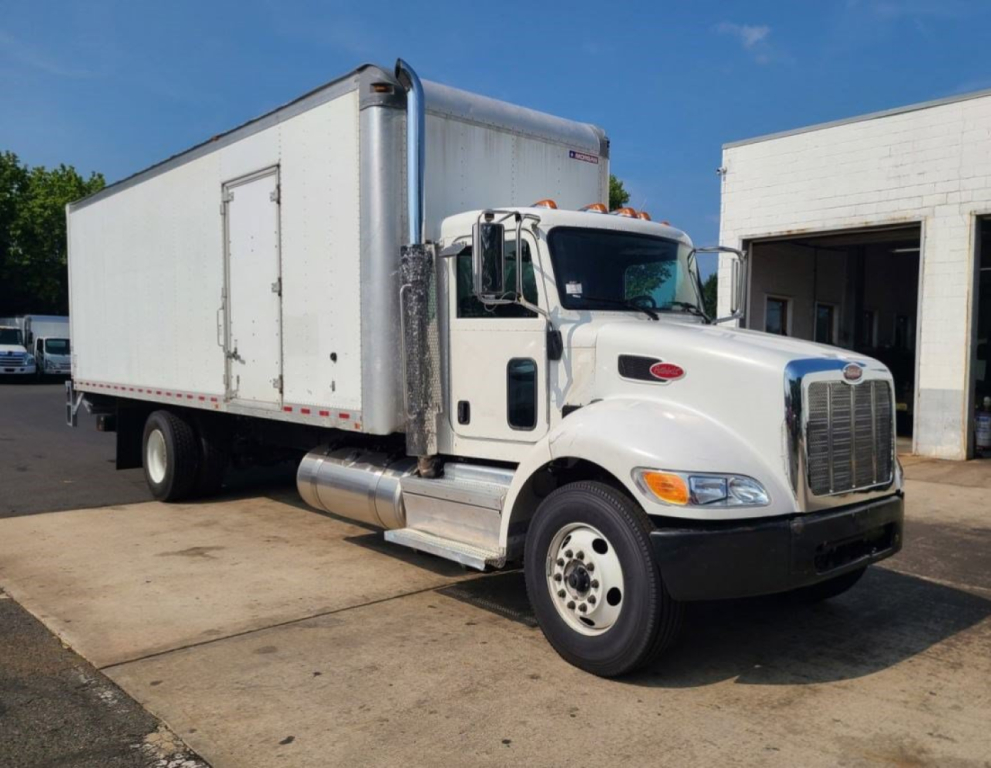
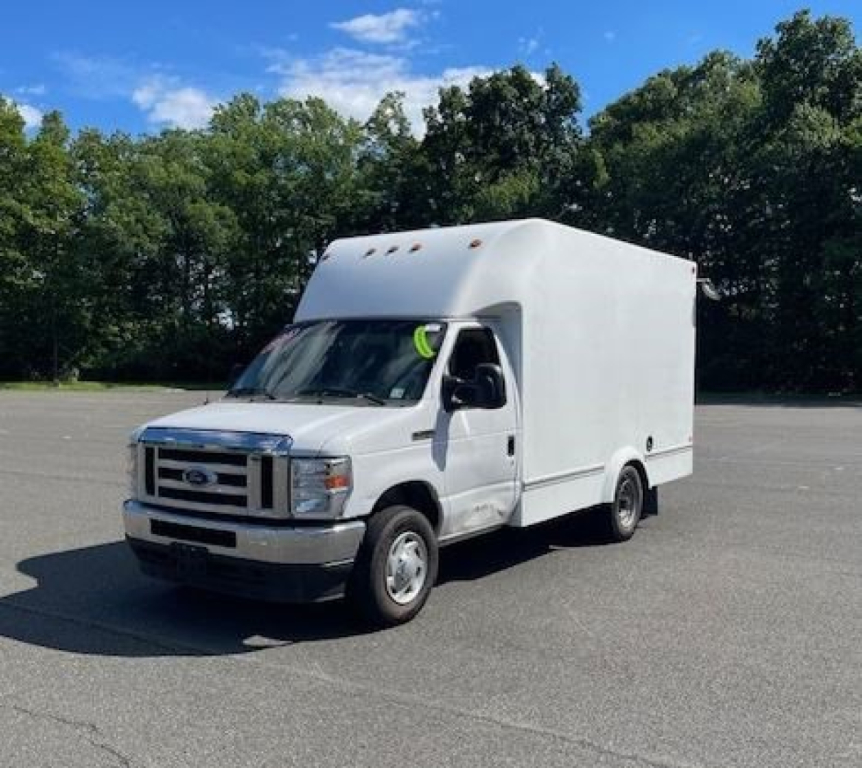
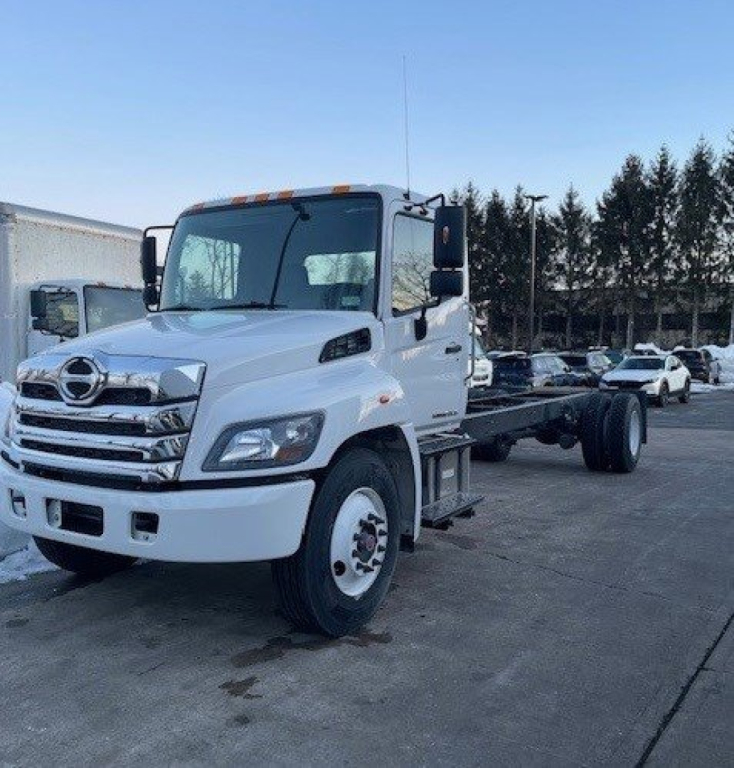
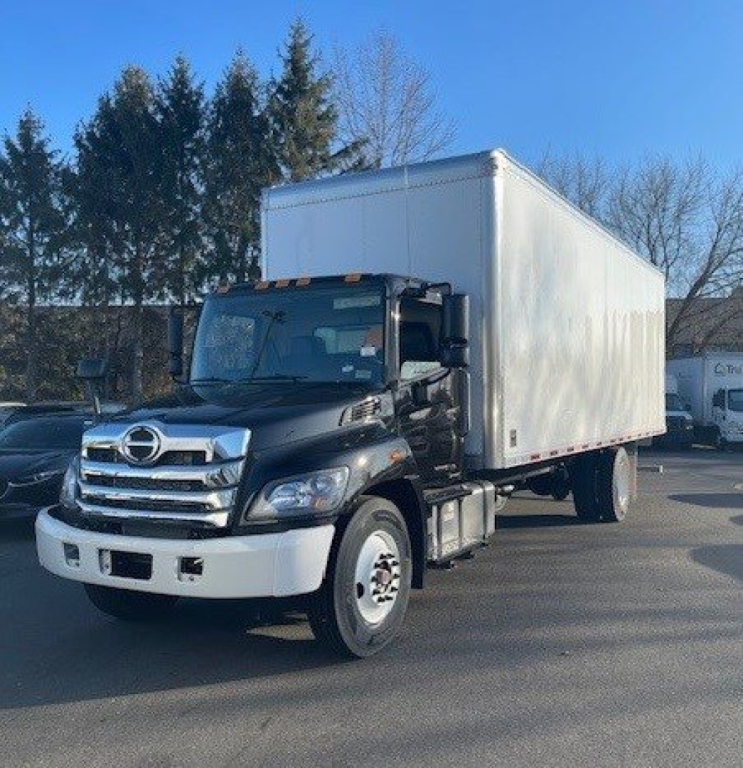
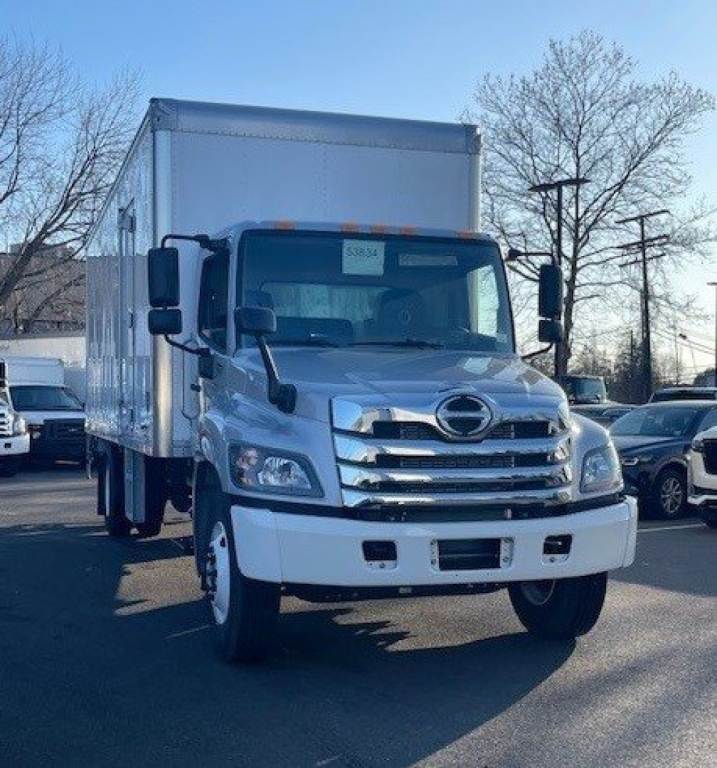
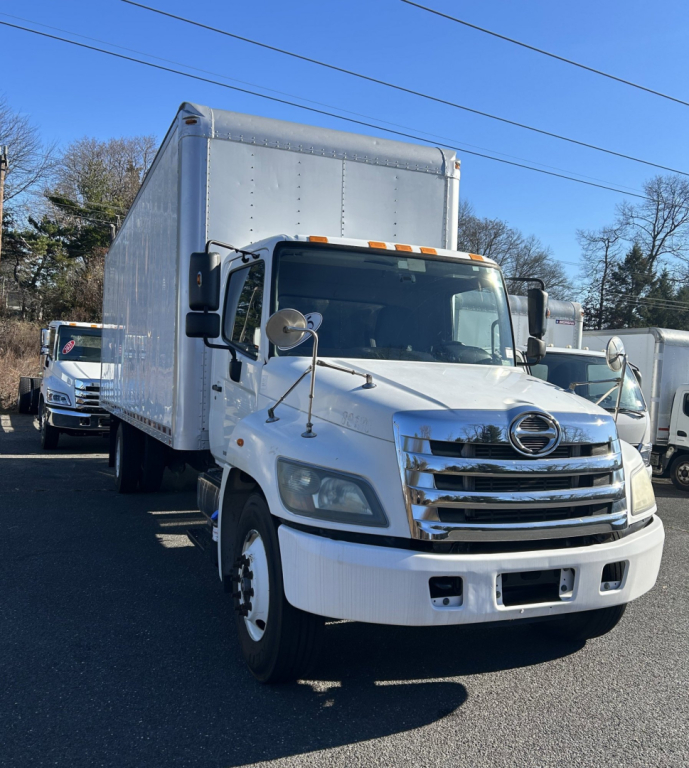
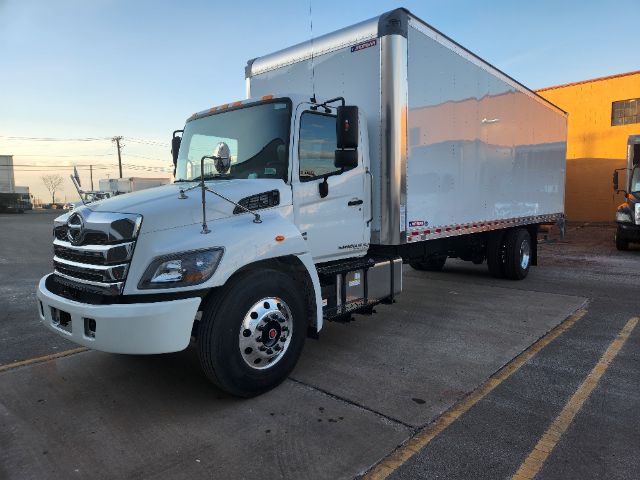
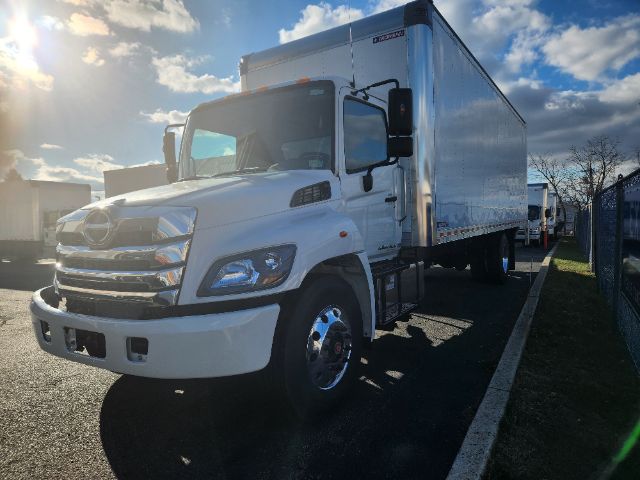
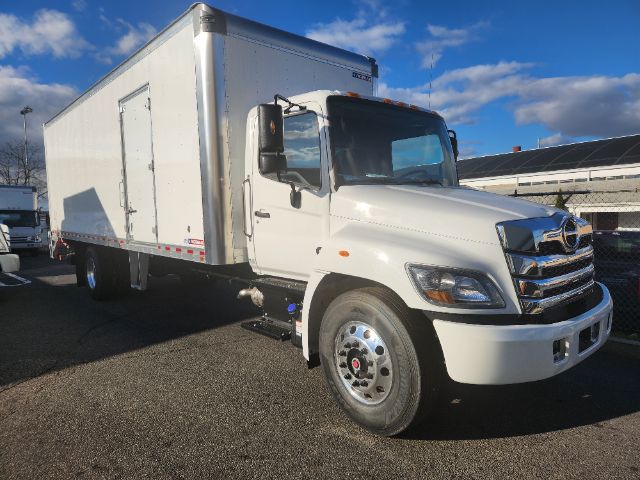
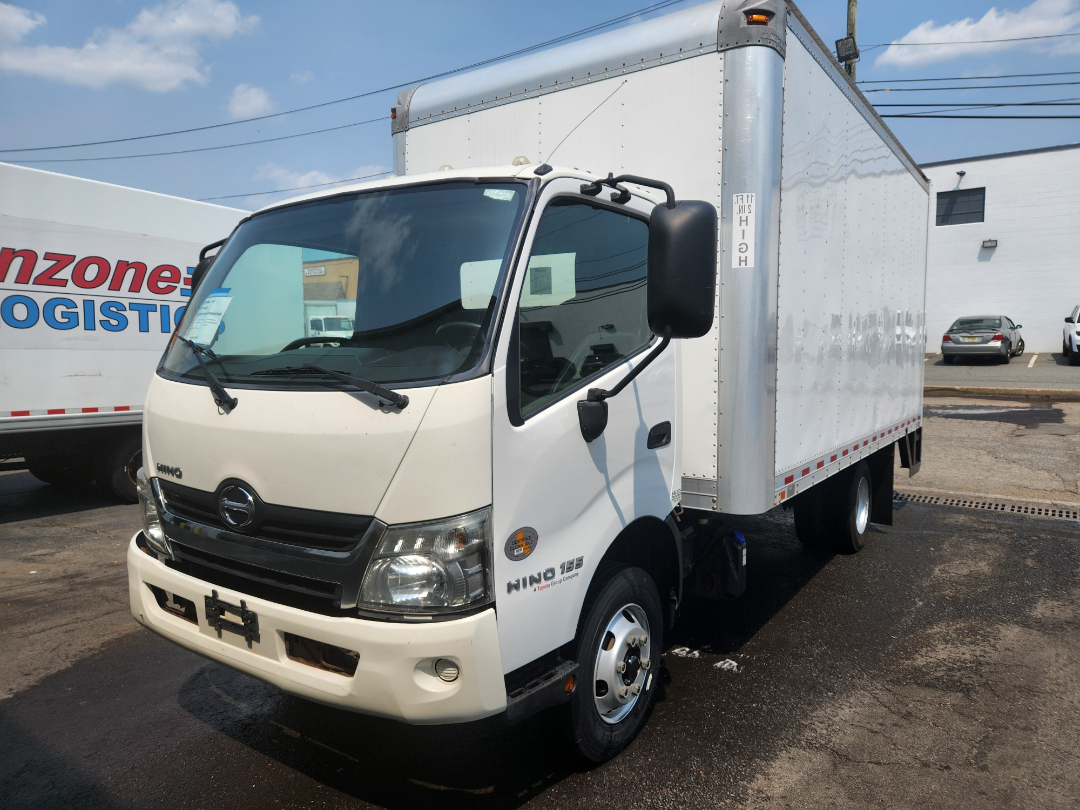

Selling a international box truck? List your international box truck for sale and reach thousands of commercial buyers.
International Box Trucks in New Jersey
International DuraStar models, including the well-known 4300, are among the most common box truck platforms on the used market. These trucks are typically spec'd with diesel power, medium-duty automatic transmissions, air brakes or hydraulic brakes depending on GVWR, and single rear axles. A buyer comparing units should look closely at engine family, horsepower and torque ratings, axle ratio, suspension type, and front axle capacity. Those details affect launch under load, highway cruise rpm, serviceability, and ride quality. Body condition matters just as much as chassis condition. Check the box floor, corner caps, roof skin, crossmembers, scuff liners, E-track, and rear frame area, especially on trucks that have seen repeated dock impacts or heavy cart traffic.
Application should drive the spec. A furniture mover or final-mile carrier may prioritize interior cube, walk ramps, and liftgate capacity, while a beverage or food distributor may care more about stop-and-go durability, side door access, and payload margin. In New Jersey, rust inspection is important on cab corners, door bottoms, frame surfaces, fuel tank straps, and body mounts because winter road treatment can shorten service life if corrosion was not managed early. If the truck will operate in dense metro traffic, pay attention to turning radius, mirror setup, cab-to-axle length, and overall height for warehouse entries and low-clearance routes.
A strong International box truck is usually the one with the right body for the freight, enough GVWR to stay legal with a full load, and a maintenance history that supports reliable daily use. Buyers should verify liftgate operation, rear door alignment, brake wear, tire date codes, suspension condition, and any signs of water intrusion inside the cargo body. On diesel models, it also makes sense to review aftertreatment service records, idle hours if available, and any fault history tied to emissions components. When the chassis spec and body design match the route, an International box truck can be a dependable platform for local delivery, regional distribution, and vocational hauling.
Frequently Asked Questions about International Box Trucks in New Jersey
What box sizes are common on International box trucks?
International box trucks are commonly found with 16-foot, 20-foot, 24-foot, and 26-foot bodies, though exact dimensions depend on wheelbase and intended use. Shorter bodies are easier to maneuver in city delivery and tighter industrial areas, while 24-foot to 26-foot bodies are popular for moving, furniture, appliance, and general freight work where cargo volume is the priority. Buyers should confirm inside height, door opening dimensions, and body construction, not just overall box length.
Is an International DuraStar 4300 a good platform for a box truck?
The International DuraStar 4300 is a widely used medium-duty chassis for box truck applications because it supports a broad range of body lengths and vocational upfits. It is commonly chosen for local and regional delivery due to its straightforward cab layout, medium-duty axle ratings, and strong service network familiarity. The right value depends on the truck's engine, transmission, brake setup, maintenance history, and the condition of the cargo body as much as the chassis itself.
What should I inspect on a used International box truck in New Jersey?
In New Jersey, corrosion and body wear deserve close attention. Inspect the frame, cab mounts, door bottoms, cab corners, box mounts, roof seams, rear roll-up door hardware, and liftgate structure for rust or impact damage. Also check for water intrusion inside the box, floor soft spots, uneven tire wear, brake condition, suspension play, and any signs that the truck spent its life overloaded or backing hard into docks. On diesel trucks, review emissions system service records and scan for active or stored fault codes.
How do I choose the right GVWR for an International box truck?
GVWR should be matched to your actual freight weight, body weight, liftgate weight, and any recurring tools or equipment carried in the truck. A box truck that cubes out before it weighs out can use a different spec than a truck carrying dense palletized freight. Buyers should calculate expected payload with a full tank of fuel, driver, and accessories included. Choosing too little GVWR limits legal payload, while overspec'ing can add unnecessary cost, weight, and registration expense.
Are liftgates important on a box truck?
A liftgate is critical if your loading points do not always have docks or forklifts. For final-mile freight, appliances, vending, medical equipment, and retail deliveries, liftgate capacity can directly affect route efficiency and labor requirements. Buyers should verify platform size, rated capacity, cycle speed, control operation, and whether the gate has any structural cracks, hydraulic leaks, or electrical issues. The liftgate must be matched to the freight being moved, not treated as an afterthought.