
Ford Conventional Day Cab Trucks For Sale
Compare Ford conventional day cab trucks for sale by GCWR, axle setup, and engine history, from Louisville tractors to F-650 and F-750 chassis.
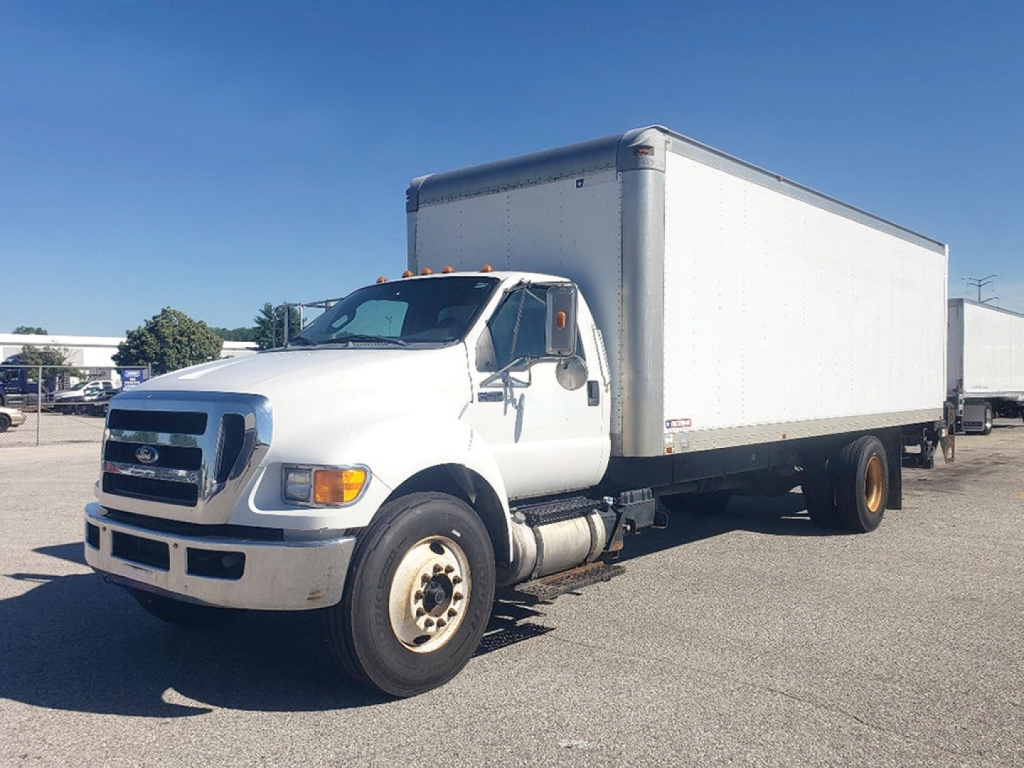
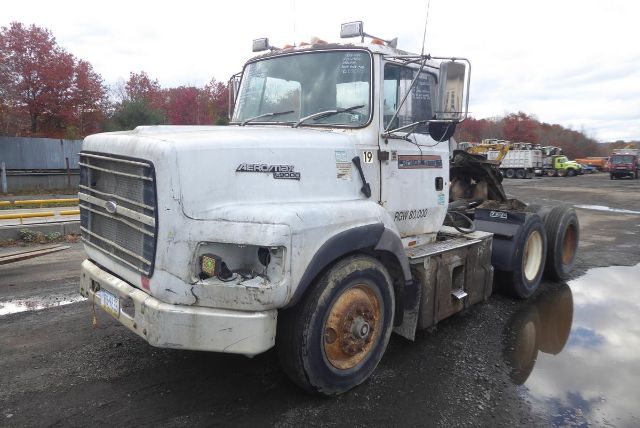
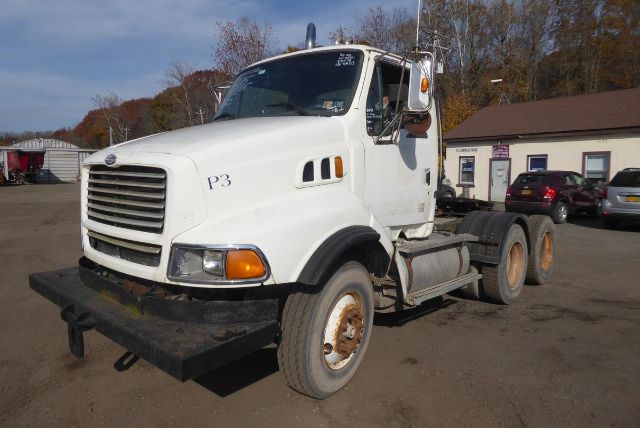
Selling a ford conventional day cab truck? List your ford conventional day cab truck for sale and reach thousands of commercial buyers.
Ford Conventional Day Cab Trucks
On used Louisville and Aeromax trucks, inspect cab mounts, steering play, frame rails, crossmembers, and suspension hangers before judging paint or odometer mileage. Match engine serial numbers to rebuild invoices, check ECM hours where supported, and test clutch engagement, transmission shifting, differential locks, and air-system recovery under controlled conditions. Older engines may predate DPF and SCR systems; later diesels require checks of emissions hardware and fault history. Northern US and Canadian service warrants close inspection for salt corrosion, while California operation requires checking current CARB eligibility rather than assuming an older diesel can work there.
For new F-650/F-750 chassis, specify wheelbase, brake system, rear ratio, PTO provisions, and factory-approved GCWR around the completed truck, not horsepower alone. Confirm chassis, powertrain, and upfitter warranty responsibilities separately, plus whether the 12% US federal excise tax applies to the completed configuration. Legal combination weights remain subject to axle spacing, registered weight, and the rules of each state or province traveled.
Frequently Asked Questions about Ford Conventional Day Cab Trucks
Do I need a Class A CDL to drive a Ford day cab tractor?
A Ford day cab combination generally requires a US Class A CDL when its GCWR or actual combination weight reaches 26,001 pounds and the trailer's GVWR exceeds 10,000 pounds. A heavy truck without that trailer may instead require Class B. Air-brake restrictions and commercial-use requirements also matter. Agricultural exemptions are limited, and Canadian buyers must follow provincial licence classifications rather than US CDL classes.
Which model years changed the engines in Ford F-650 and F-750 trucks?
The 2016 model year brought Ford's 6.7L Power Stroke diesel to F-650 and F-750 trucks; earlier versions could use Cummins diesels. Ford added the 7.3L gasoline V8 for the 2021 model year. Verify the installed engine through its identification label and build documentation, especially on repowered trucks, because service procedures, diagnostic equipment, and emissions components follow the actual engine configuration.
Will any wet kit on a Ford day cab run a walking-floor trailer?
A dump-trailer wet kit is not automatically suitable for a walking-floor trailer behind a Ford day cab. Match pump flow, operating pressure, reservoir capacity, return filtration, and hose connections to the trailer manufacturer's requirements. Continuous hydraulic operation can generate substantially more heat than intermittent dumping. Verify PTO compatibility with the installed transmission and confirm that controls prevent accidental engagement while driving.
Can a Ford F-650 or F-750 pull an air-brake trailer?
An air-brake trailer requires an engineered trailer air-supply and service-brake control system, not merely an onboard compressor. A Ford F-650 or F-750 with hydraulic truck brakes should not be assumed ready to operate trailer air brakes. Even an air-braked chassis needs the correct trailer connections, protection valves, and controls. Verify the completed combination's braking approval, hitch rating, and GCWR before planning trailer service.