
Used Recyclings For Sale in New York
Browse used recycling equipment for scrap, transfer, and material handling jobs in New York, including handlers, grapples, shears, and magnets.
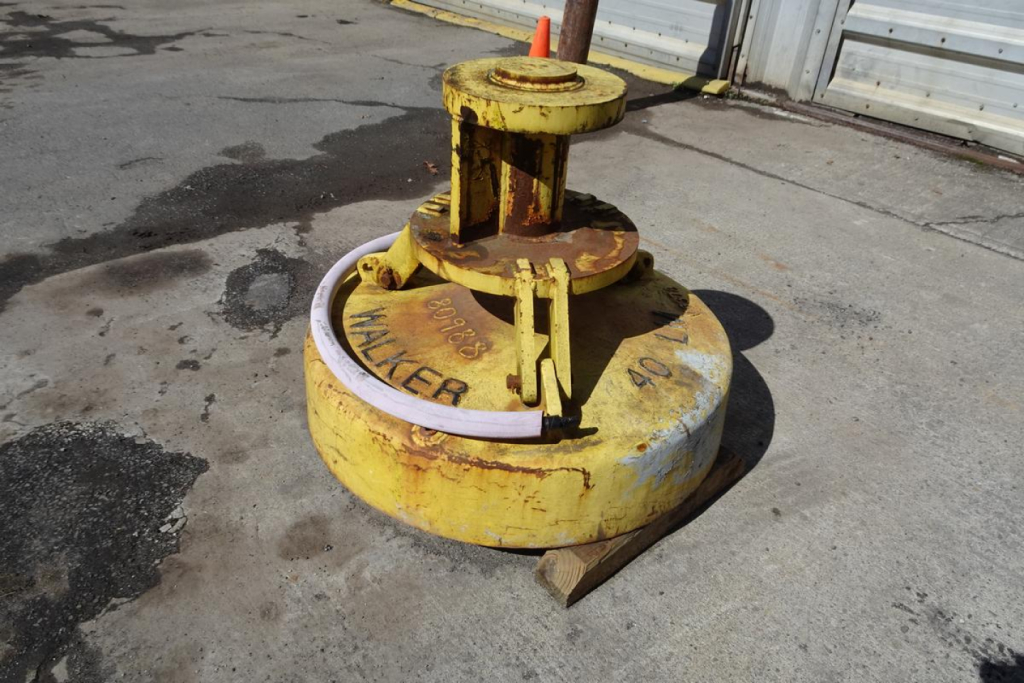
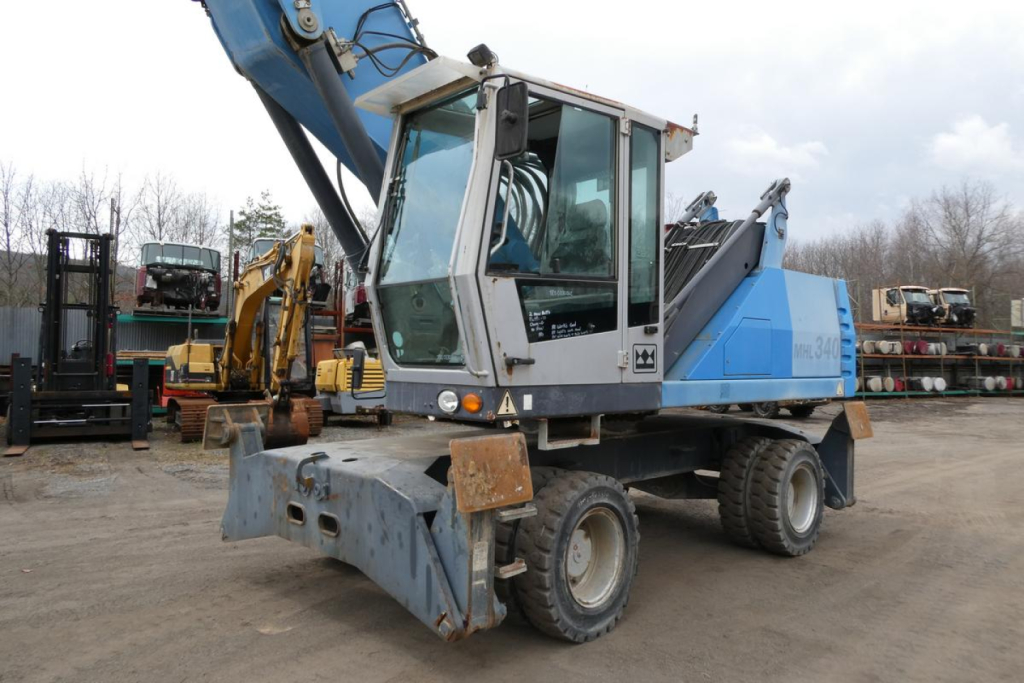
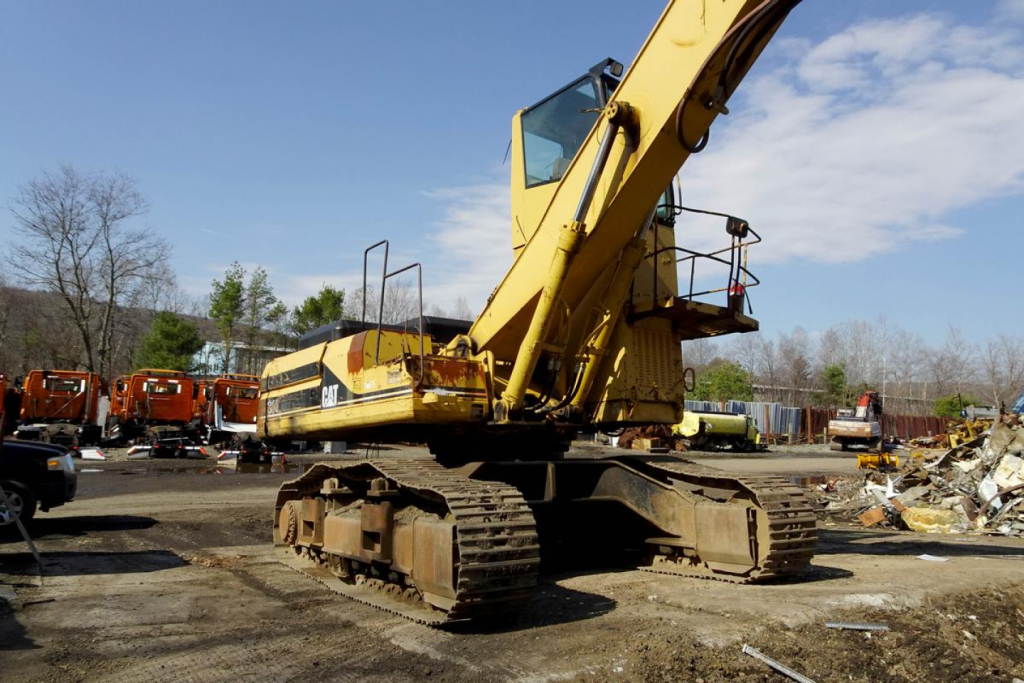
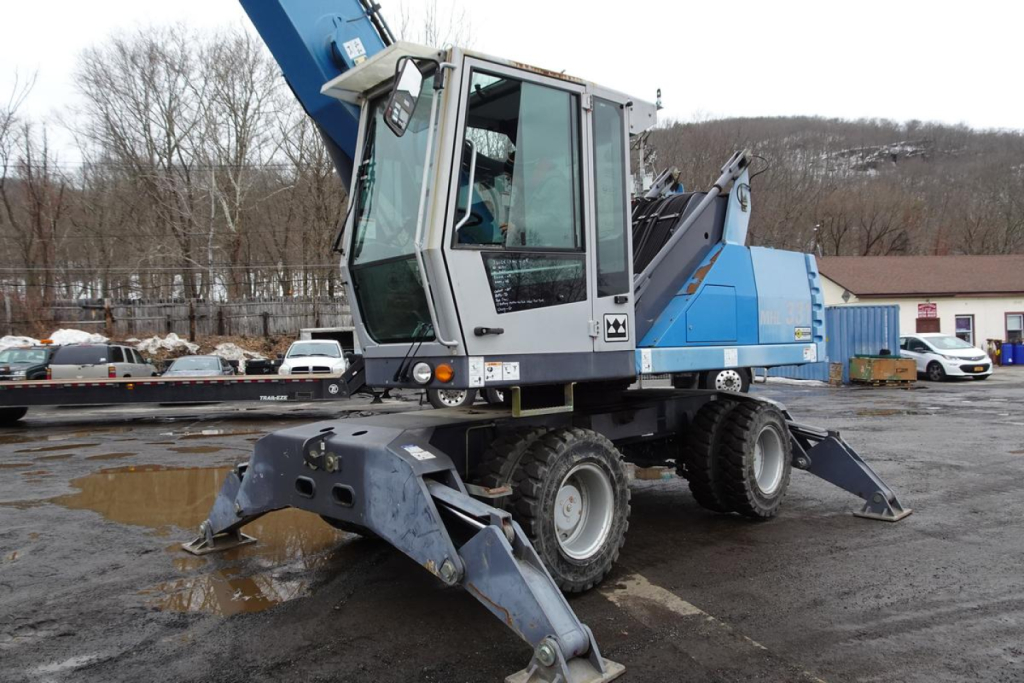
Selling a used recycling? List your used recycling for sale and reach thousands of commercial buyers.
Used Recyclings in New York
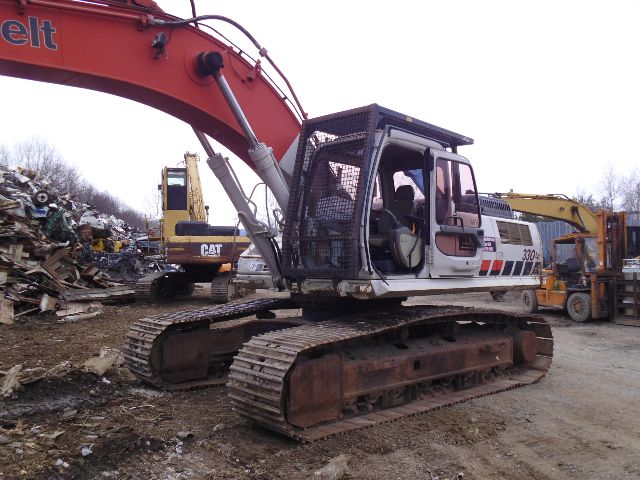
Material handlers are a common backbone in recycling work because they offer elevated cabs, long booms, hydrostatic control, and attachment flexibility for scrap handling. Reach can vary widely, with many machines in this class falling into roughly the 30-foot to 45-foot range. Operating weight may run from around 50,000 pounds into the 70,000-pound class and higher, depending on boom design, carrier type, and guarding. Wheeled units can be a strong fit for paved yards where mobility matters, especially when equipped with hydraulic outriggers and adjustable cab height. Tracked or excavator-style machines often make sense where stability, heavy attachment use, or rough ground conditions are a bigger priority.
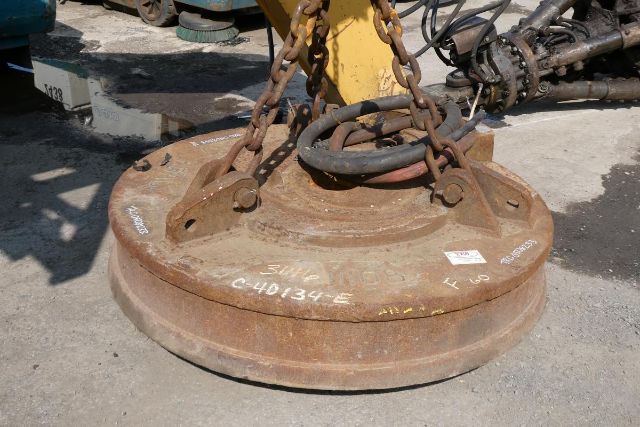
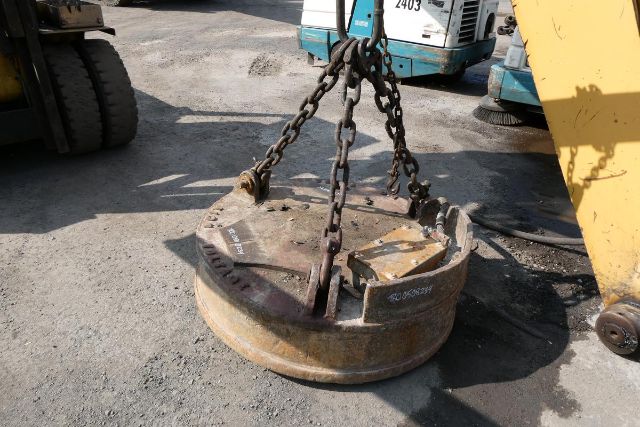
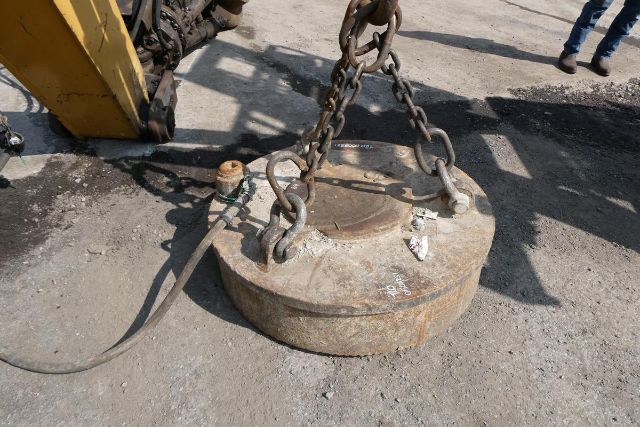
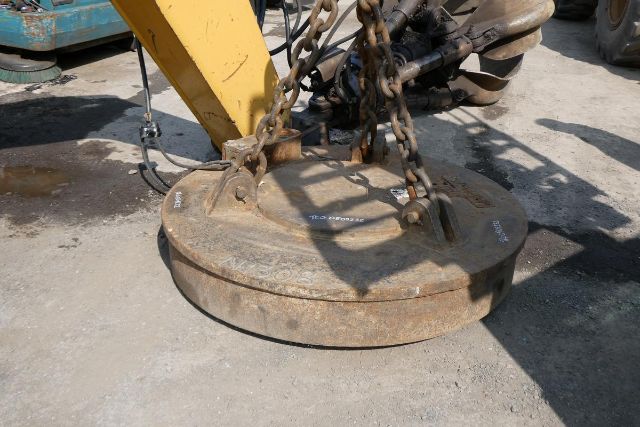
Attachment compatibility matters as much as the carrier itself. Buyers should confirm the machine is set up for the intended tool, whether that is a scrap grapple with rotator, a magnet with generator, or a demolition or steel shear. Generator output, auxiliary hydraulics, stick and boom geometry, coupler arrangement, and cab guarding all affect performance in the real world. On used recycling equipment, it is also smart to inspect cylinder seepage, slew bearing play, boom pin wear, upper structure cracks, cooling system condition, and the function of high-use features like joysticks, cameras, cab risers, and A/C. If the machine will spend its day loading trailers, feeding a baler, or processing ferrous scrap, cycle speed and visibility usually matter more than travel speed.
A buyer comparing used recycling equipment should focus on application first, then serviceability. A compact wheeled handler may be ideal for tight urban recycling yards, while a heavier machine with a shear is better suited for structural steel, demolition scrap, or high-volume reduction work. Magnet packages and grapples need to be matched to the machine's lift capacity and hydraulic performance, and replacement parts support should be checked carefully on older units. The best value in this category is not just purchase price. It is a machine and attachment combination that can stay productive, handle the material stream efficiently, and hold up under continuous scrap yard duty.
Frequently Asked Questions about Used Recyclings in New York
What types of machines are included in used recycling equipment?
Used recycling equipment commonly includes material handlers, wheeled scrap handlers, excavator-based recycling machines, grapples, magnets, shears, and other attachments used to process and move recyclable material. Some machines are purpose-built for scrap yards with elevated cabs, long-reach booms, and generator packages for magnets, while others are adapted from excavator platforms for heavier cutting or loading work.
What should I check first on a used recycling material handler?
Start with the structure, hydraulics, and attachment setup. Check boom and stick pins, cylinder condition, upper frame and carbody for cracks, swing bearing play, hydraulic leaks, cooling system health, and the operating condition of the generator or auxiliary hydraulics. On wheeled units, inspect outriggers, steering, axle condition, and tire wear. Hours matter, but maintenance history and evidence of scrap-duty wear usually matter more.
Is a wheeled material handler better than a tracked recycling machine?
It depends on the yard and the material stream. Wheeled handlers are often better for paved recycling facilities that need frequent repositioning, clean surfaces, and efficient movement around transfer points. Tracked machines generally offer better stability on rough ground and can be a stronger choice for heavy attachments or harsher demolition-related work. The right choice depends on reach needs, travel surface, attachment weight, and daily duty cycle.
Why does generator and magnet setup matter on recycling equipment?
A magnet-equipped machine needs the right generator capacity, wiring, and controls to operate efficiently and safely. If the generator output is undersized or the electrical setup is incomplete, magnet performance suffers and loading efficiency drops. Buyers should verify the magnet package is matched to the carrier, confirm duty cycle and power requirements, and inspect cables, connectors, and controls for wear.
What is the most important spec when comparing used recycling equipment?
The most important spec is usually the combination of reach, lift capability, and attachment compatibility for the intended job. A machine may have low hours, but if the boom geometry, hydraulic flow, or carrier weight do not match the grapple, magnet, or shear, productivity will suffer. For most buyers, the best comparison starts with material type, pile height, trailer loading requirements, and the attachment that will stay on the machine most of the time.