
Used Omega Equipment For Sale
Browse used Omega trucking equipment, including rough terrain forklifts and material handlers built for loading, yard work, and jobsite support.
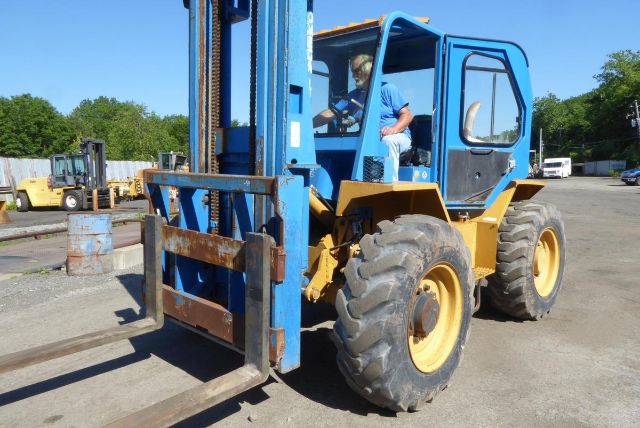
Selling a used omega equipment? List your used omega equipment for sale and reach thousands of commercial buyers.
Used Omega Equipment
For many buyers, the real decision starts with application. An 8,000 lb capacity class machine is a common fit for heavier construction materials and outdoor unloading, but capacity alone does not tell the whole story. Fork length, carriage setup, side shift, hydraulic leveling, and steering mode can make a major difference in day-to-day use. Three-way steering is valuable when working in tight yards or approaching trailers at awkward angles. Rough terrain tire size, axle design, and ground clearance matter if the machine will spend time on gravel, mud, or uneven jobsite surfaces rather than smooth concrete.
On used Omega equipment, condition assessment should go beyond the engine hour meter. Buyers should pay close attention to hydraulic performance, mast wear, cylinder seepage, steering response, brake function, transmission engagement, and cold-start behavior. On forklifts and similar lifting equipment, weak hydraulics, chain wear, sloppy mast movement, or delayed lift response can quickly turn into expensive repairs. It is also smart to verify enclosed cab condition, visibility from the operator seat, tire type and remaining tread, and whether the unit has features like side shift or fork positioning that match the intended freight profile. Parts support and service familiarity in your region are worth considering before purchase, especially on older used models.
Omega equipment tends to appeal to buyers who need a durable, purpose-built machine for outdoor freight handling rather than a general warehouse forklift. If the machine will be used alongside trailers, check loading height, reach, turning radius, and transport dimensions carefully. If it will stay in a yard, focus more on drivetrain condition, hydraulic strength, and long-term serviceability. A good used Omega unit can still be a productive asset when the specs line up with the work and the machine has been evaluated like a revenue-producing piece of fleet equipment, not just a lift with a low asking price.
Frequently Asked Questions about Used Omega Equipment
What type of equipment is Omega best known for in trucking operations?
Omega is commonly associated with material handling equipment used around trucking and delivery operations, especially rough terrain forklifts and similar lifting machines used to load, unload, and position freight outdoors. These machines are often chosen for construction supply, lumber, pipe, and flatbed support work where uneven ground, higher loading heights, and jobsite access are part of the job.
What should I check first on a used Omega forklift or material handler?
Start with lift capacity, mast or boom performance, hydraulic strength, and steering function. After that, inspect cold-start behavior, transmission engagement, brakes, tire condition, fork wear, and any signs of leakage at cylinders, hoses, pumps, or valves. On a used unit, weak hydraulics or poor steering response usually matter more than cosmetic appearance because those issues directly affect productivity and repair cost.
Is an Omega rough terrain forklift a good fit for trailer loading and unloading?
It can be a very good fit if the machine's lift height, capacity, fork length, and steering setup match the trailers and freight being handled. Rough terrain forklifts are especially useful where deliveries happen on gravel lots, construction sites, or uneven yards. Buyers should confirm loading height, overall width, turning radius, and side shift capability to make sure the machine can work efficiently around trailers and tight spaces.
How important are features like side shift, hydraulic leveling, and three-way steering?
These features have a direct impact on cycle time and operator control. Side shift helps line up loads without repeated repositioning. Hydraulic leveling is important when working on uneven ground because it helps keep the load stable and the forks properly aligned. Three-way steering improves maneuverability in narrow yards and awkward approach angles, which is valuable when loading from the side of a trailer or working in congested delivery areas.