
Mitsubishi Equipment For Sale in New York
Browse Mitsubishi trucking equipment for sale in New York, including durable forklifts known for reliable LP power, compact dimensions, and 5,000-lb capacity.
Selling a mitsubishi equipment? List your mitsubishi equipment for sale and reach thousands of commercial buyers.
Mitsubishi Equipment in New York
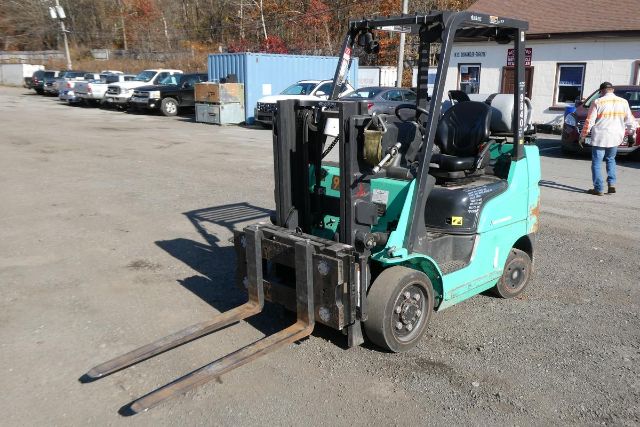
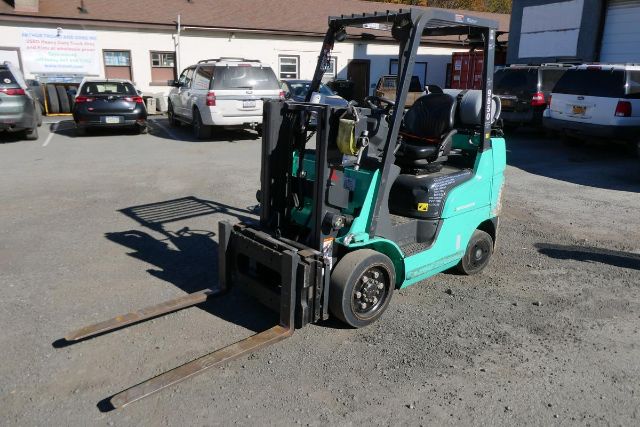
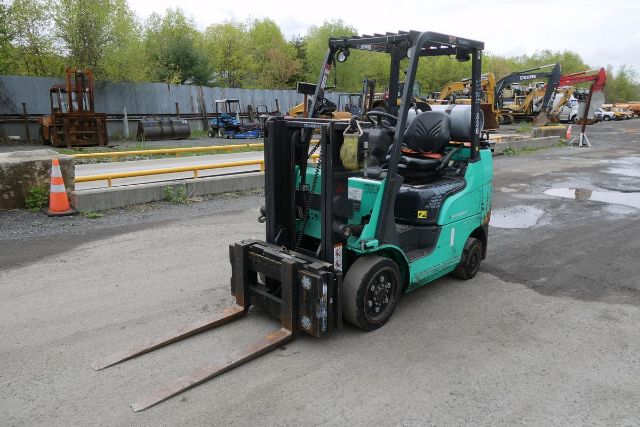
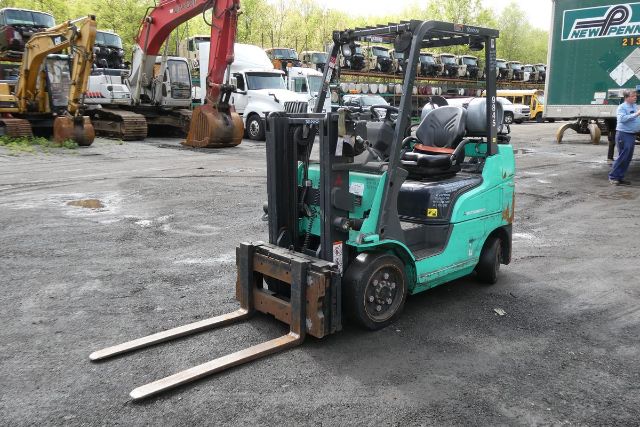
A common configuration in this class is a cushion-tire LP gas forklift in the 5,000-lb capacity range, similar to Mitsubishi FGC-series units. Specs often include a dual or standard mast, hydraulic side shift, automatic transmission, and a propane-powered 4-cylinder engine. Buyers should pay close attention to lift capacity at the actual load center, lowered mast height, maximum fork height, fork length, overall width, and turning radius. These details determine how well the truck will work inside tight dock areas, trailers, racking aisles, and cross-dock operations. Side shift and mast backtilt are especially useful when operators are handling standard pallets in fast-paced loading environments.
In New York, operating conditions can vary from indoor warehouse use to mixed indoor-outdoor service in cold weather, so tire type and fuel choice matter. Cushion tires are common for smooth concrete floors, while pneumatic setups may be better for rougher yard surfaces. LP forklifts remain popular because they refuel quickly and maintain consistent performance across long shifts, but buyers should still review hour meter readings, mast wear, hydraulic cylinder condition, lift chain condition, steer axle play, and brake response. On used Mitsubishi equipment, a clean-running engine, dry cylinders, even tire wear, and smooth mast function usually tell you more than cosmetics.
The best Mitsubishi trucking equipment for your operation depends on the freight you move and the space you have to move it in. A 5,000-lb forklift is a strong general-purpose choice for standard pallets, machine parts, building materials, and retail distribution, but heavier loads or higher stacking heights may require a different mast and capacity combination. If dock work is the main job, focus on visibility, attachment compatibility, service records, and overall ergonomics. If trailer loading is frequent, confirm the unit’s overall height, fork dimensions, and stability under repeated stop-and-go cycles. Mitsubishi equipment tends to appeal to buyers looking for proven warehouse handling performance without stepping into an overly specialized platform.
Frequently Asked Questions about Mitsubishi Equipment in New York
What types of Mitsubishi trucking equipment are most common on the used market?
The most common Mitsubishi trucking equipment on the used market is forklift equipment, especially LP gas and electric warehouse forklifts used for pallet handling, dock work, and indoor material movement. Many buyers will see models in the 4,000-lb to 6,000-lb class because that range covers a wide share of warehouse and freight applications. These units are typically selected for maneuverability, reliable mast performance, and ease of operation in confined spaces.
Is a Mitsubishi 5,000-lb forklift enough for general freight handling?
For many operations, yes. A 5,000-lb Mitsubishi forklift is a standard choice for handling palletized freight, packaged materials, and general warehouse inventory. The key is to verify that the rated capacity matches your actual load center, attachment setup, and lift height. Capacity can decrease when loads are longer, heavier on one side, or lifted higher than standard operating positions, so the data plate and mast specifications should always be checked before purchase.
What should I inspect first on a used Mitsubishi forklift?
Start with the mast, hydraulics, and powertrain. Check for mast rail wear, chain condition, cylinder leaks, fork heel wear, and smooth lift and tilt operation under load. Then inspect the engine or drive system, transmission engagement, steering response, brakes, and tire condition. Hour meter readings are useful, but service history and actual operating condition are more important than hours alone. A forklift with dry hydraulics, even tire wear, and stable lift operation is usually a better indicator of value than appearance.
Are propane Mitsubishi forklifts a good fit for dock and warehouse work?
Propane Mitsubishi forklifts are a strong fit for many dock and warehouse operations because they refuel quickly, provide steady power through long shifts, and are widely accepted in mixed-use indoor and outdoor environments where ventilation standards are met. They are especially practical for fleets that want to avoid battery charging downtime. Buyers should still confirm emissions compliance, fuel system condition, and local operating requirements, especially in facilities with strict indoor air quality standards.
How do I choose between cushion tires and pneumatic tires on Mitsubishi equipment?
Choose cushion tires if the forklift will spend most of its time on smooth concrete floors in warehouses, terminals, or shipping docks where tight turning is important. Choose pneumatic tires if the unit will operate on rough pavement, gravel, uneven yard surfaces, or outdoor loading areas where more ground clearance and shock absorption are needed. Tire type has a direct effect on ride quality, stability, operating height, and the environments where the forklift will perform best.