
Loaders & Tool Carriers For Sale
Browse loaders and tool carriers for material handling, grading, snow removal, and attachment work across construction, farm, and municipal jobs.
No exact matches found for your search
Showing Equipment instead.
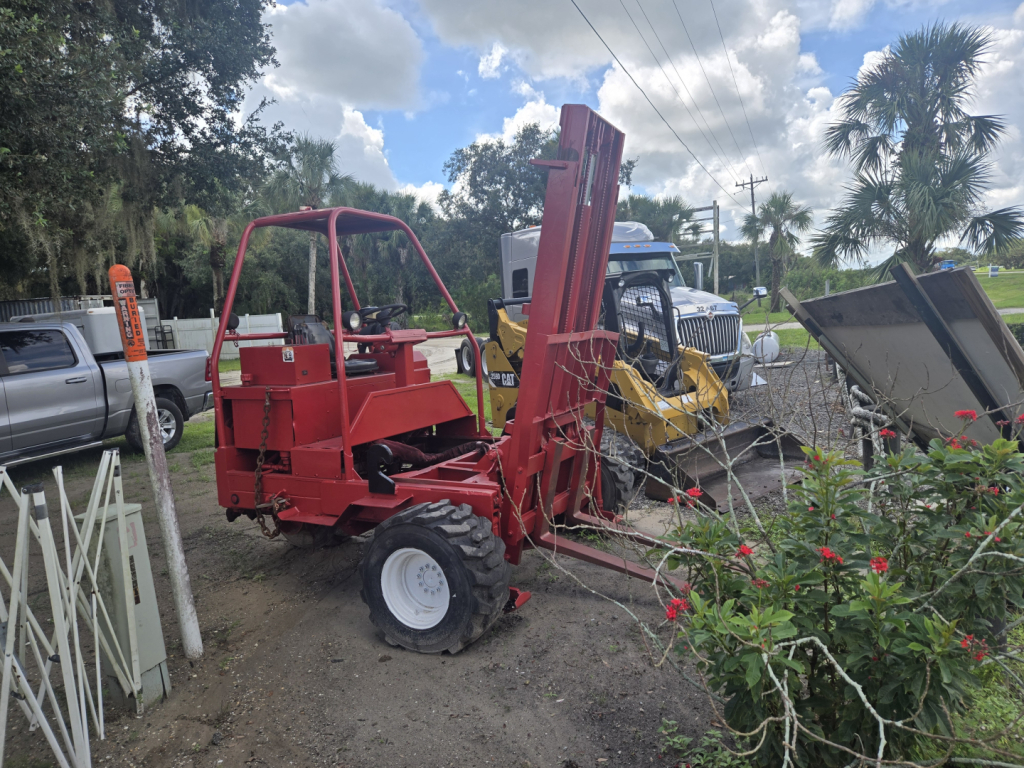
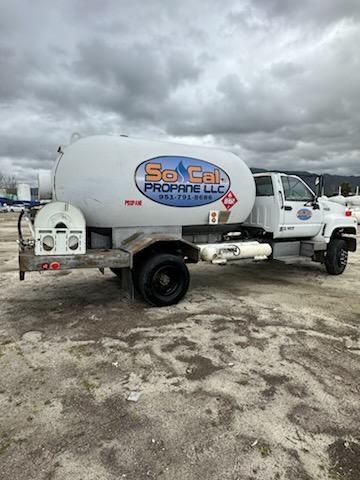
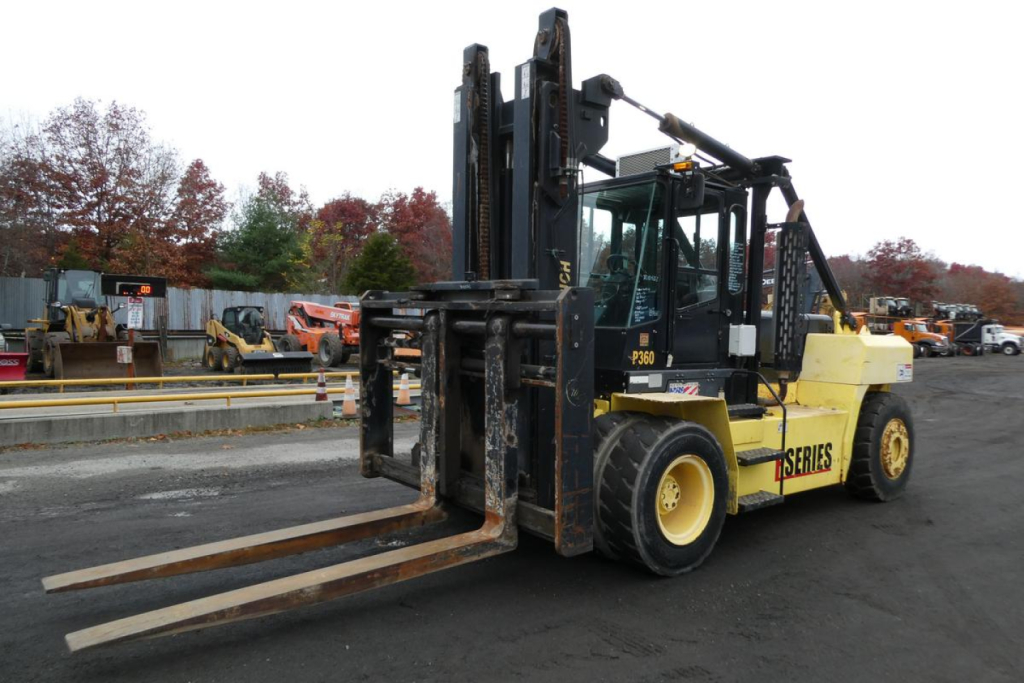
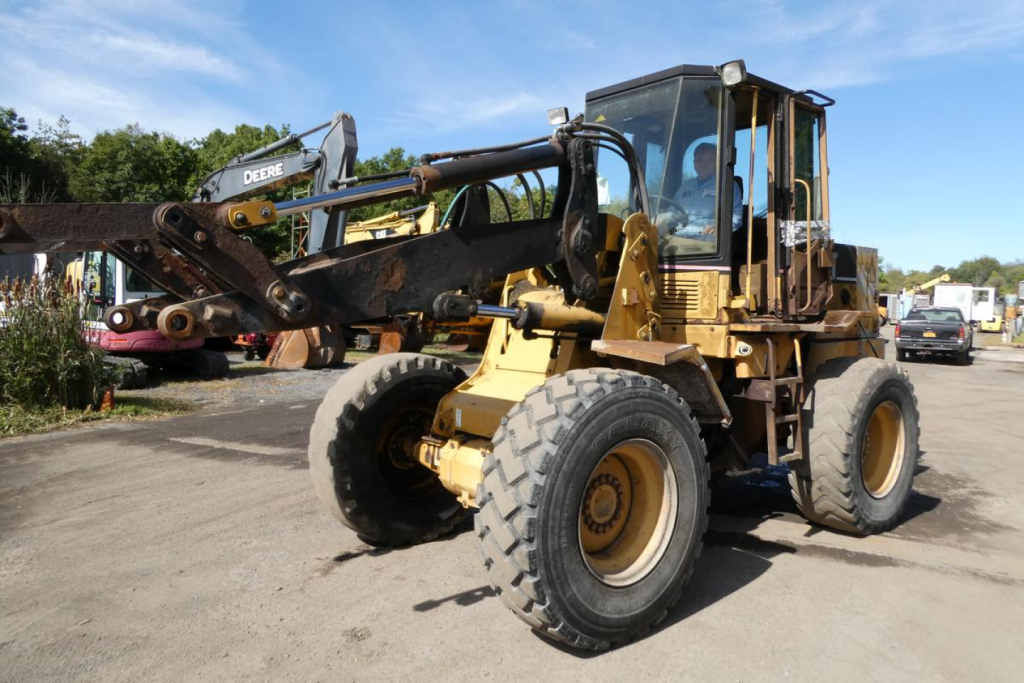


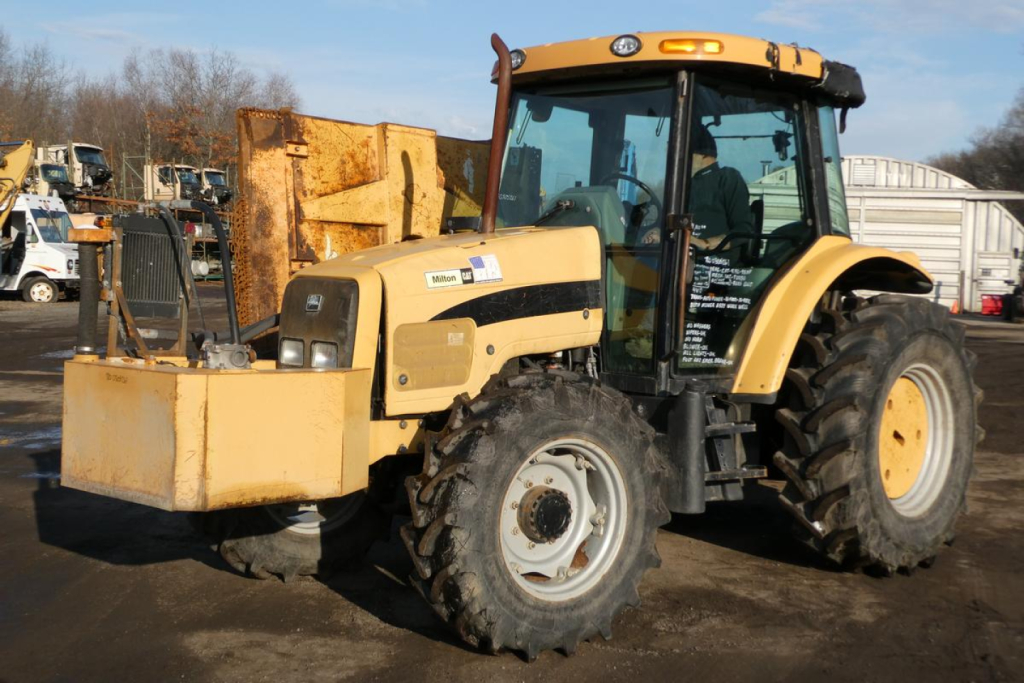
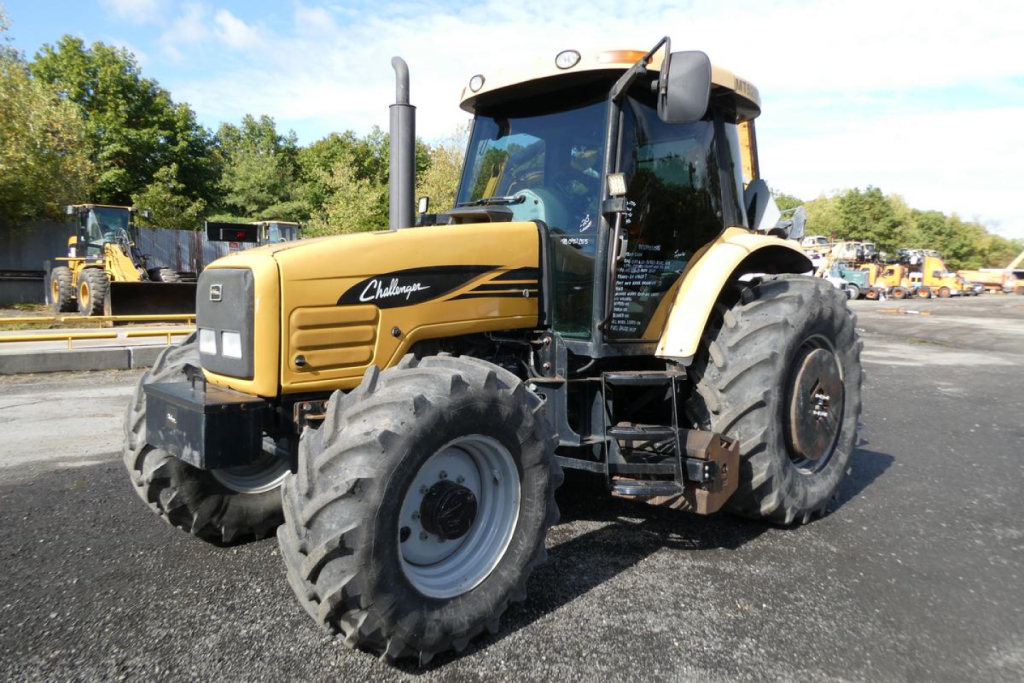
2008 Challenger MT455B
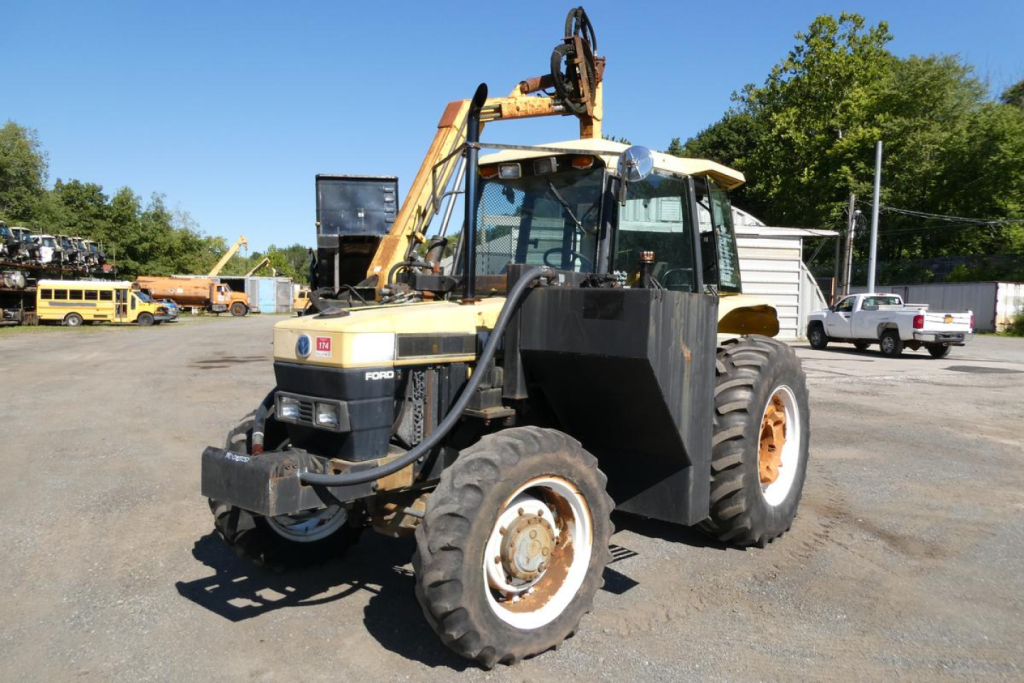
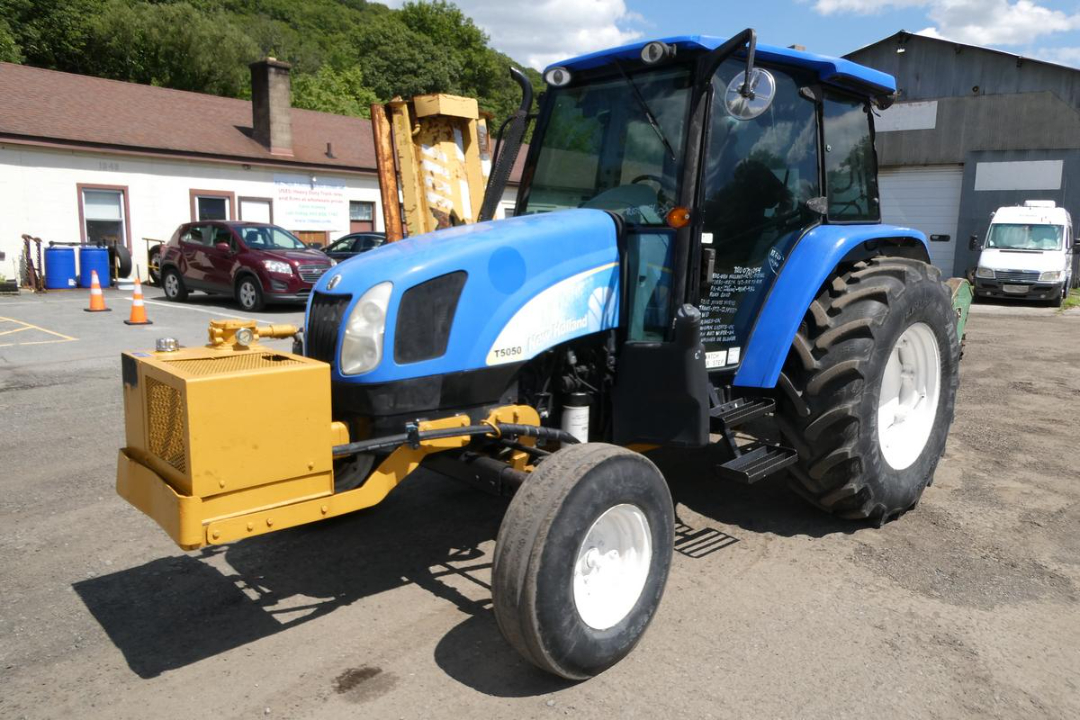
Showing 1 to 28 of 192 results
Selling a loaders & tool carriers? List your loaders & tool carriers for sale and reach thousands of commercial buyers.
Loaders & Tool Carriers
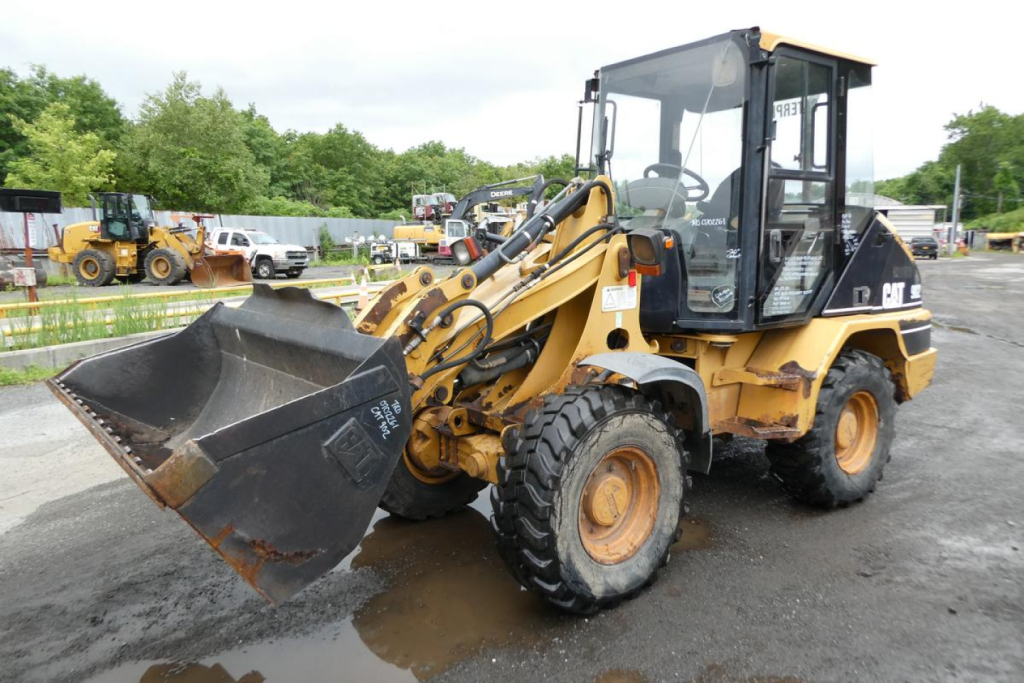
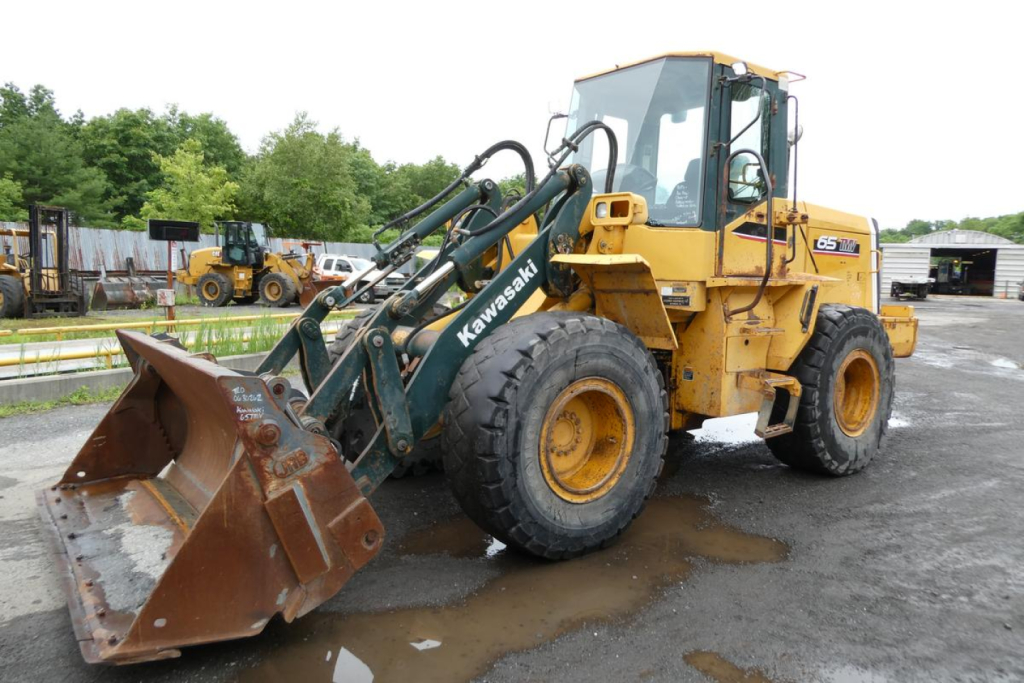
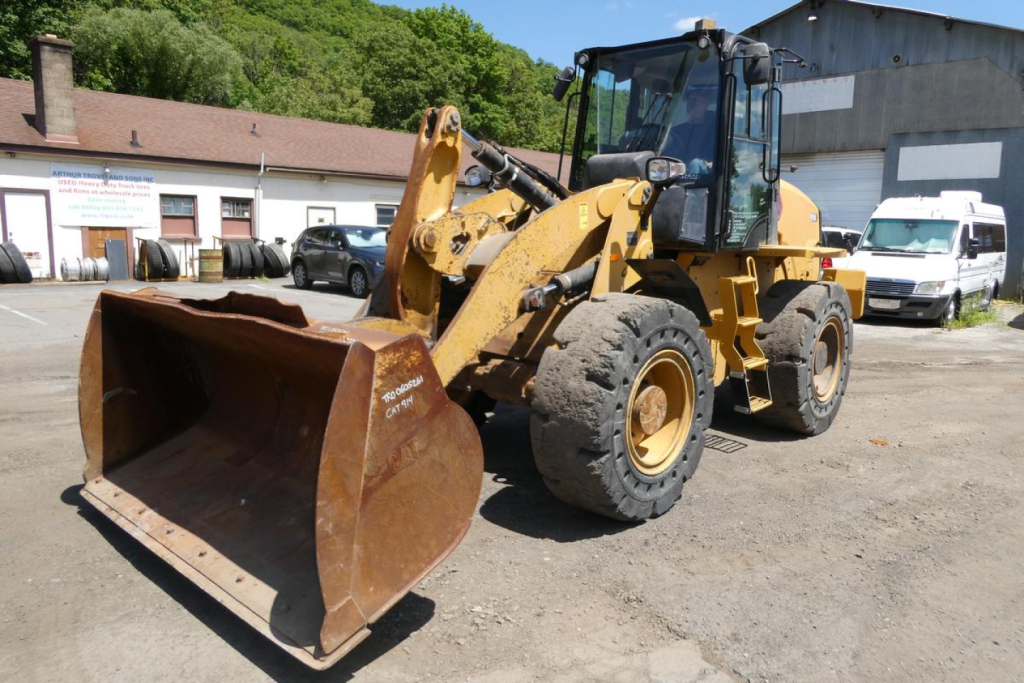
Configuration matters more than the label on the hood. Some units in this category are traditional loader-based machines, while others are purpose-built integrated tool carriers designed for forks, brooms, grapples, snow pushers, augers, trenchers, and general utility attachments. Hydraulic performance is a major buying point. Standard-flow systems can handle common implements, but higher-flow auxiliary hydraulics expand the machine’s usefulness for more demanding attachments. Buyers should also pay close attention to tire size, axle design, shuttle shift or hydrostatic drive layout, turning radius, and overall machine dimensions if the machine will work in yards, livestock areas, municipal streets, warehouses, or tight construction sites.
Older loaders and converted tool carrier setups can still be productive, especially for property maintenance, farm use, and light commercial work, but condition becomes the main value driver. Pin and bushing wear, loader arm integrity, hydraulic cylinder leakage, steering response, brake condition, and transmission engagement deserve a close inspection. On enclosed-cab or ROPS-equipped machines, visibility, control layout, heater performance, and access in and out of the cab affect day-to-day operator efficiency more than many buyers expect. If the machine previously carried a backhoe or other rear attachment, check how removal or conversion was handled and whether counterweight balance and hydraulic plumbing still suit the intended application.
For buyers comparing loaders and tool carriers for sale, the right machine is usually the one that matches attachment needs, ground conditions, and transport limits rather than the one with the biggest bucket. A lighter machine may be better for turf, paved surfaces, and trailer transport, while a heavier unit may offer better stability and breakout force for aggregate, feed, palletized materials, and site cleanup. Look at quick-coupler type, parts support, service access, and common wear-item availability before making a decision. A good loader or tool carrier should earn its keep across multiple jobs with minimal setup time and strong hydraulic, drivetrain, and front-end durability.
Frequently Asked Questions about Loaders & Tool Carriers
What is the difference between a loader and a tool carrier?
A loader is primarily designed for bucket work and material loading, while a tool carrier is designed to run a wider range of front attachments efficiently. In practice, the two categories often overlap. Tool carriers usually emphasize quick attachment changes, auxiliary hydraulics, and visibility to the work tool. The best choice depends on whether the machine will spend most of its time moving loose material or switching between forks, brooms, grapples, snow equipment, and other implements.
What specs matter most when buying a used loader or tool carrier?
The most important specs are operating weight, rated lift capacity, hydraulic flow, breakout force, dump reach, machine width, and attachment interface. Those numbers affect stability, cycle times, and compatibility with the tools you plan to run. Buyers should also verify transmission type, tire condition, axle construction, and travel speed, especially if the machine will move between job areas or operate on mixed surfaces. On used units, actual condition often matters more than model year.
Can a loader or tool carrier be used for more than loading material?
Yes. Many machines in this category are used for pallet handling, snow removal, sweeping, manure handling, light grading, feedlot work, landscape supply yards, and municipal maintenance. Attachment support is what determines versatility. A machine with the right coupler, auxiliary hydraulics, and enough lift capacity can cover a wide range of tasks that would otherwise require multiple dedicated machines.
What should I inspect on an older loader or converted tool carrier?
Start with the hydraulics, loader linkage, steering system, transmission operation, brakes, and structural condition around the boom, frame, and attachment mount. Excessive play in pins and bushings, cylinder seepage, poor cold starting, and weak hydraulic response can indicate expensive repairs ahead. If the machine was modified from another configuration, such as a loader-backhoe with the backhoe removed, inspect the hydraulic routing, rear ballast, frame condition, and overall balance to make sure it still fits the intended job safely and effectively.
Are enclosed cabs and ROPS important on this type of equipment?
Yes. ROPS protection is a core safety feature, and an enclosed cab can significantly improve operator comfort, visibility in bad weather, and productivity during long shifts. For snow work, municipal work, and year-round commercial use, heat, defrost, wipers, and sealed cab condition are worth close attention. A machine that is easier to operate comfortably tends to stay more productive and is often easier to assign across multiple operators.