
Used Komatsu Equipment For Sale
Browse used Komatsu trucking equipment, including forklifts and material handling machines known for durable drivetrains and strong lifting performance.
Selling a used komatsu equipment? List your used komatsu equipment for sale and reach thousands of commercial buyers.
Used Komatsu Equipment
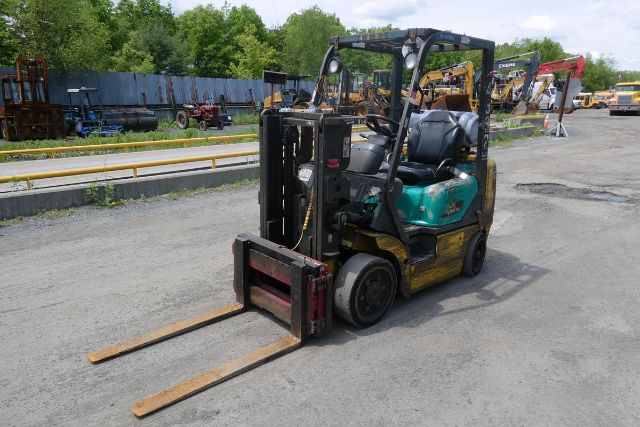
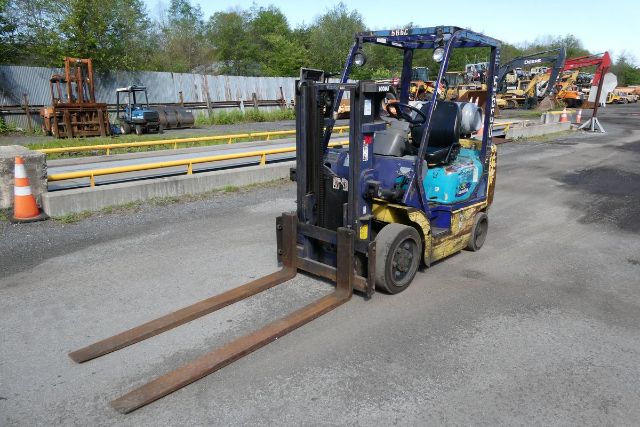
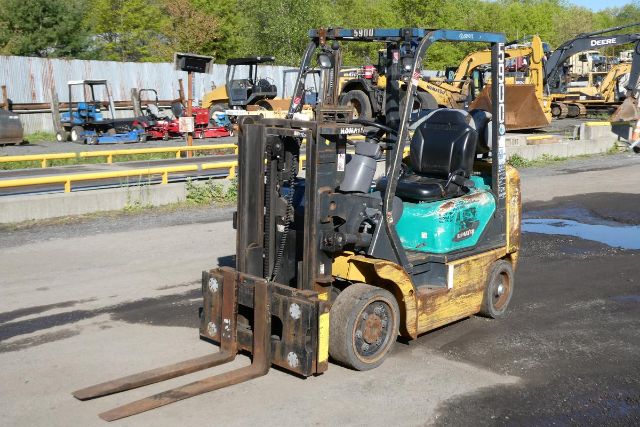
A lot of used Komatsu units on the market are LPG forklifts in the 4,000-pound class, which is a practical size for general freight, crated goods, palletized inventory, and shop use. Common specs include pneumatic tires, automatic transmissions, open operator stations or basic overhead guard configurations, and two-stage or dual masts with lift heights around 80 to 82 inches in smaller models. Buyers should pay close attention to rated capacity at the actual load center, fork length and thickness, mast style, side shift if equipped, tilt function, overall lowered height, and outside turning radius. Those details matter more in daily use than model year alone, especially if the machine will be working in trailers, tight yards, or older warehouse buildings with clearance limits.
On a used Komatsu forklift, condition checks should focus on mast wear, carriage play, lift chains, tilt cylinders, steer axle movement, hydraulic seepage, brake response, and cold-start behavior. Hour meter readings are useful, but maintenance history and operating feel usually tell the real story. LPG units should be inspected for regulator condition, fuel system integrity, and smooth throttle response under load. Tire type also affects where the machine can work best. Pneumatic tires are better suited to rougher lots and mixed indoor-outdoor use, while cushion-tire machines are typically preferred on smooth warehouse floors. If the machine will be loading vans or flatbeds, verify mast collapsed height, fork condition, and the ability to hold stable lift at working height.
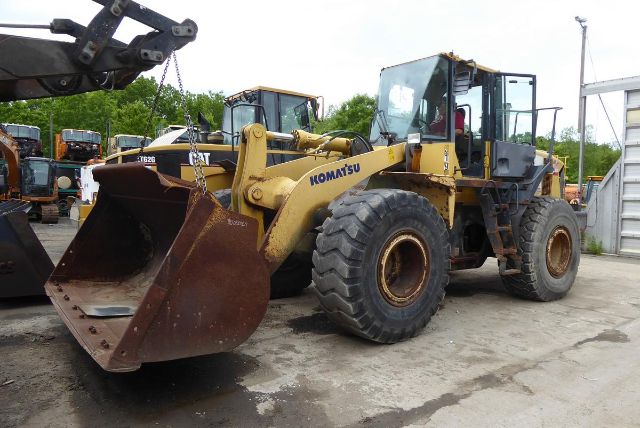
Komatsu equipment can also include heavier support machines such as wheel loaders for yard, aggregate, and bulk material applications, though forklifts are the more common fit under trucking equipment. The right used Komatsu machine depends on your freight profile, floor surface, aisle space, and fuel preference. For most buyers, the best value comes from matching capacity, lift height, and physical dimensions to the job instead of buying more machine than the operation actually needs.
Frequently Asked Questions about Used Komatsu Equipment
What should I look for first on a used Komatsu forklift?
Start with capacity, mast height, and overall dimensions. Those three points determine whether the machine can safely handle your freight and physically work in your building, dock, or trailer environment. After that, inspect mast rails, chains, cylinders, forks, tires, and steering components for wear. A smooth hydraulic function test and stable lift under load are more important than cosmetics on an older unit.
Are Komatsu LPG forklifts a good choice for trucking and warehouse support?
Yes. LPG Komatsu forklifts are widely used in dock, yard, and warehouse applications because they refuel quickly, offer good run time, and handle mixed indoor-outdoor work well when properly maintained. They are especially practical for fleets that need a machine to unload trailers, move palletized freight, and support shop operations without the charging requirements of an electric forklift.
How important are fork length and mast style on used Komatsu equipment?
They are critical because they directly affect load handling and clearance. Longer forks help with oversized pallets or deeper loads, but they can be a disadvantage in tight trailers or narrow aisles. Mast style matters for lowered height, forward visibility, and maximum lift reach. A buyer should compare fork dimensions, collapsed mast height, and full lift height against the exact freight and space limitations in the operation.
Do hours matter as much as condition on a used Komatsu machine?
Hours matter, but condition usually matters more. A higher-hour Komatsu forklift with good maintenance, tight mast components, dry hydraulics, and clean engine operation can be a better buy than a lower-hour unit with neglected service. On older industrial equipment, signs of regular upkeep, proper lubrication, and consistent operation are often the best indicators of remaining service life.