
Komatsu Equipment For Sale in New York
Browse Komatsu trucking equipment including forklifts and loaders. Compare capacities, lift specs, tire setups, and jobsite-ready configurations.
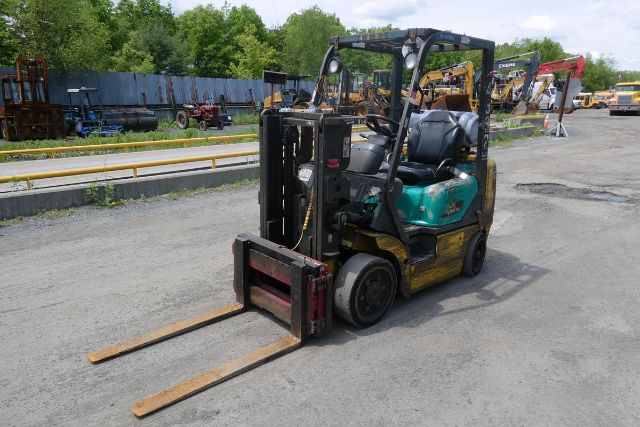
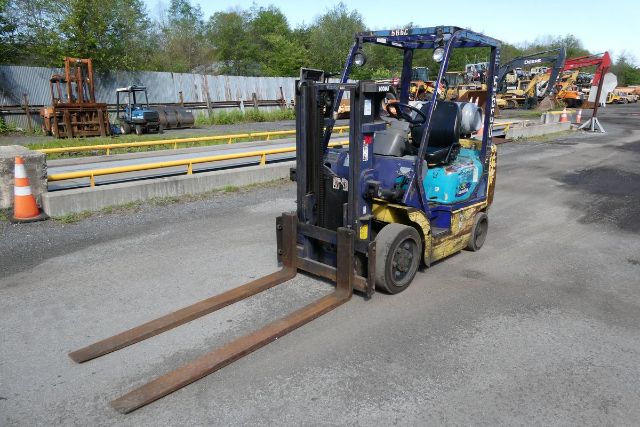
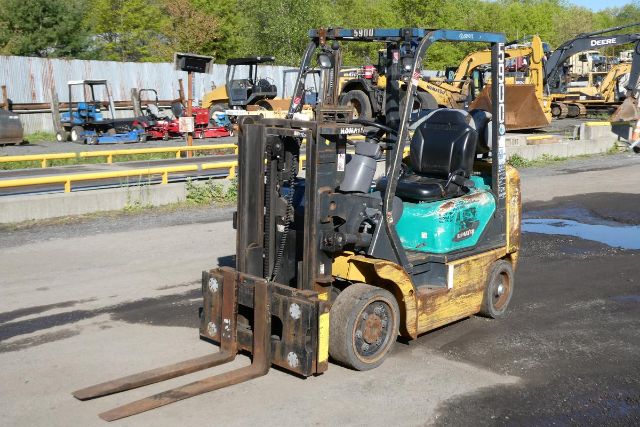
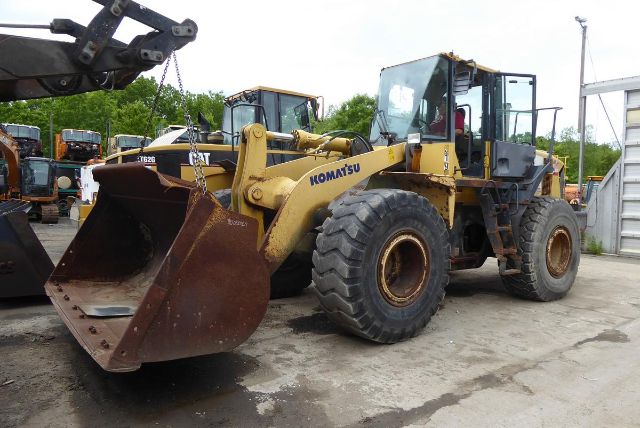
Selling a komatsu equipment? List your komatsu equipment for sale and reach thousands of commercial buyers.
Komatsu Equipment in New York
On Komatsu forklifts, capacity, mast configuration, fuel type, and overall dimensions drive the decision. Many units in this class are in the 4,000 lb capacity range, which fits general warehouse and yard work without moving into a larger, less maneuverable chassis. Buyers should compare lift height, collapsed mast height, fork length, back tilt, and machine width if the truck will be used in trailers, between dock doors, or in tighter indoor aisles. Propane-powered Komatsu forklifts are common because they refuel quickly and suit mixed indoor-outdoor use, while cushion or pneumatic tire setups affect ride quality and traction depending on concrete, asphalt, gravel, or uneven yard surfaces. Operating hours matter, but service history, mast wear, hydraulic leaks, chain condition, steer axle play, and transmission response usually tell more about remaining value than the hour meter alone.
Komatsu wheel loaders are a different buying decision entirely. In trucking-related operations, they are often used for loading bulk materials, maintaining yards, handling snow, and feeding hoppers or stockpiles. Key specs include operating weight, horsepower, bucket width and capacity, tire size, articulation condition, and the health of the drivetrain. On used loaders, close attention should be paid to boom and bucket pin wear, cylinder seepage, transmission shift quality, brake response, center joint movement, and engine performance under load. An enclosed cab can be a major advantage in New York conditions where winter weather and year-round outdoor use can affect operator comfort and productivity.
If you are comparing Komatsu equipment across multiple listings, focus on application fit before price alone. Forklift buyers should verify actual lift needs, fork dimensions, mast style, overhead clearance, and fuel support. Loader buyers should look closely at attachment condition, tire replacement cost, and any signs of drivetrain or hydraulic repair needs. Komatsu has long been a recognized name in industrial equipment, and the best value usually comes from choosing a machine with the right configuration for your freight yard, dock, warehouse, or support operation rather than simply the lowest upfront cost.
Frequently Asked Questions about Komatsu Equipment in New York
What types of Komatsu trucking equipment are most common on the used market?
Komatsu forklifts and wheel loaders are two of the most common equipment types seen in trucking, warehouse, and yard-support applications. Forklifts are typically used for palletized freight, loading docks, flatbed support, and warehouse handling, while wheel loaders are used for bulk material movement, snow removal, yard maintenance, and aggregate or debris handling. The exact fit depends on whether your operation is moving freight units or loose material.
What should I check first when buying a used Komatsu forklift?
Start with rated capacity, mast height, collapsed height, and fork length to confirm the machine matches your actual loads and operating space. After that, inspect hydraulic function, mast channels, chains, tilt cylinders, steer axle movement, tire condition, and transmission engagement in both directions. A forklift can look clean and still have expensive wear in the mast, carriage, or hydraulic system, so functional condition matters more than appearance.
Are propane Komatsu forklifts a good choice for truck yards and warehouses?
Propane Komatsu forklifts are a common choice for mixed indoor-outdoor work because they refuel quickly, maintain steady power, and avoid some of the charging downtime associated with electric units. They are well suited for freight terminals, warehouses, and loading areas where the truck may move between dock work and outdoor yard use. Buyers should still confirm local ventilation requirements, fuel availability, and engine condition before purchase.
What matters most on a used Komatsu wheel loader?
The most important factors are drivetrain health, hydraulic condition, articulation wear, tire cost, and bucket or linkage condition. A loader with engine miss, poor transmission performance, loose center pins, or leaking boom cylinders can require major repair spending quickly. Buyers should evaluate how the machine starts, shifts, lifts, steers, and brakes under load, because those systems determine both uptime and long-term ownership cost.
How do I choose the right Komatsu equipment for a New York operation?
New York buyers should consider seasonal conditions, surface type, and storage environment as part of the purchase decision. For forklifts, tire type, cold-weather starting, and maneuverability in tighter urban or warehouse settings are important. For wheel loaders, enclosed cabs, heater function, tire condition, and corrosion exposure can matter just as much as core performance specs, especially for machines used in snow, salt, or year-round outdoor service.