
Used Jcb Equipment For Sale
Browse used JCB trucking equipment for sale, including loaders and backhoes, with practical guidance on specs, condition, applications, and value.

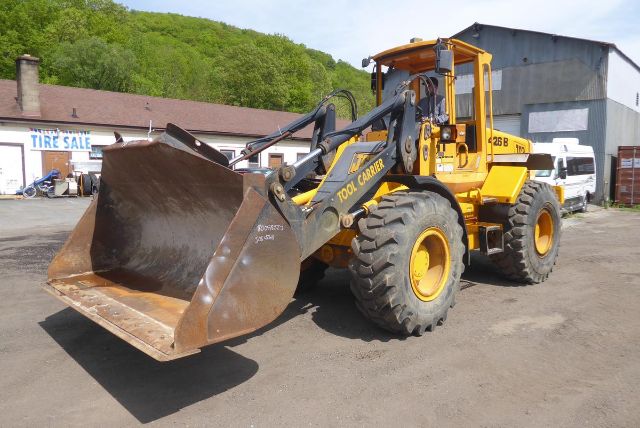

Selling a used jcb equipment? List your used jcb equipment for sale and reach thousands of commercial buyers.
Used Jcb Equipment
Buyers looking at used JCB equipment should pay close attention to operating hours, drivetrain configuration, hydraulic response, and attachment setup. On backhoes, common decision points include 4WD, powershift transmission, ride control, extendable dipper or Extradig-style boom, auxiliary hydraulics, and bucket package. On wheel loaders, focus on horsepower, operating weight, bucket capacity, quick coupler type, third-function hydraulics, and tire condition. Machines with cab heat are often enough for northern seasonal work, but enclosed cabs with functioning air conditioning matter more for daily operator comfort and resale. Tire size, cutting edge wear, pin and bushing play, and signs of hydraulic leaks can tell you a lot about how a used unit was maintained.
JCB machines have a strong reputation for visibility, loader performance, and jobsite versatility. Their backhoes are especially common because one machine can handle loading, trenching, grading, and fork work with the right attachments. Wheel loaders in the JCB lineup are often chosen for straightforward controls, strong breakout force, and good mobility around tight yards. For trucking-related applications, these machines are frequently used to maintain unpaved lots, move pallets or bulk material, clean up storm debris, load hoppers, and support municipal or contractor operations tied to heavy haul and site logistics. If the machine will spend more time carrying than digging, loader geometry, travel speed, and transmission smoothness matter more than sheer digging depth.
A good used JCB unit should be evaluated like any other fleet asset. Confirm cold-start behavior, look for excessive smoke under load, inspect articulation points or boom pins, and test every hydraulic function at working temperature. Service history, available attachments, undercarriage or tire replacement costs, and parts access all affect true ownership cost. The best value usually comes from a machine with honest hours, tight hydraulics, and a spec that fits the job without adding features you will not use. For many buyers, used JCB trucking equipment offers a practical balance of capability, maneuverability, and lower acquisition cost compared with buying new.
Frequently Asked Questions about Used Jcb Equipment
What types of used JCB trucking equipment are most common?
The most common used JCB equipment tied to trucking and fleet support includes backhoes, wheel loaders, telehandlers, and skid steer or compact track loaders. Backhoes are popular because they combine a front loader with rear digging capability, making them useful for yard repairs, trenching, and general utility work. Wheel loaders are common in aggregate, recycling, and material handling operations where fast loading and stockpile movement are the main priorities.
What should I inspect first on a used JCB backhoe or wheel loader?
Start with the basics that affect uptime and repair cost: engine start-up, transmission engagement, hydraulic performance, and structural wear. Check for pin and bushing looseness, leaking cylinders or hoses, cracked bucket mounts, uneven tire wear, and excessive play in the steering or articulation area. A machine that feels tight, runs smoothly at operating temperature, and has consistent hydraulic power is usually a better indicator of value than appearance alone.
Are JCB machines a good fit for trucking yards and support operations?
Yes. JCB equipment is widely used in trucking yards, construction support fleets, and municipal operations because it handles loading, lifting, grading, cleanup, and light excavation with one operator. A backhoe is especially useful where space is limited and multiple tasks need to be covered by a single machine. A wheel loader is the better fit where the work centers on moving bulk material quickly and efficiently over repeated cycles.
How important are hours on a used JCB machine?
Hours matter, but they should be weighed alongside maintenance history, application, and overall condition. A higher-hour machine that was serviced on schedule and used in lighter-duty work can be a better purchase than a lower-hour machine that shows neglect or heavy structural wear. Look at hours as one part of the valuation, then compare them with tire life, hydraulic condition, engine performance, and the general tightness of the machine.
What features add the most value on used JCB equipment?
The most valuable features depend on the machine type and intended use, but 4WD, enclosed cab, ride control, quick couplers, auxiliary hydraulics, and useful attachment packages usually improve productivity and resale. On backhoes, an extendable dipper and powershift transmission are often desirable. On wheel loaders, a third valve, quick coupler, and solid tire and bucket condition can make a meaningful difference in day-to-day versatility and operating cost.