
Equipment For Sale in Florida
Shop equipment for sale in Florida, including utility and lifting units with common specs, applications, capacity considerations, and buying tips.
Selling a equipment? List your equipment for sale and reach thousands of commercial buyers.
Equipment in Florida
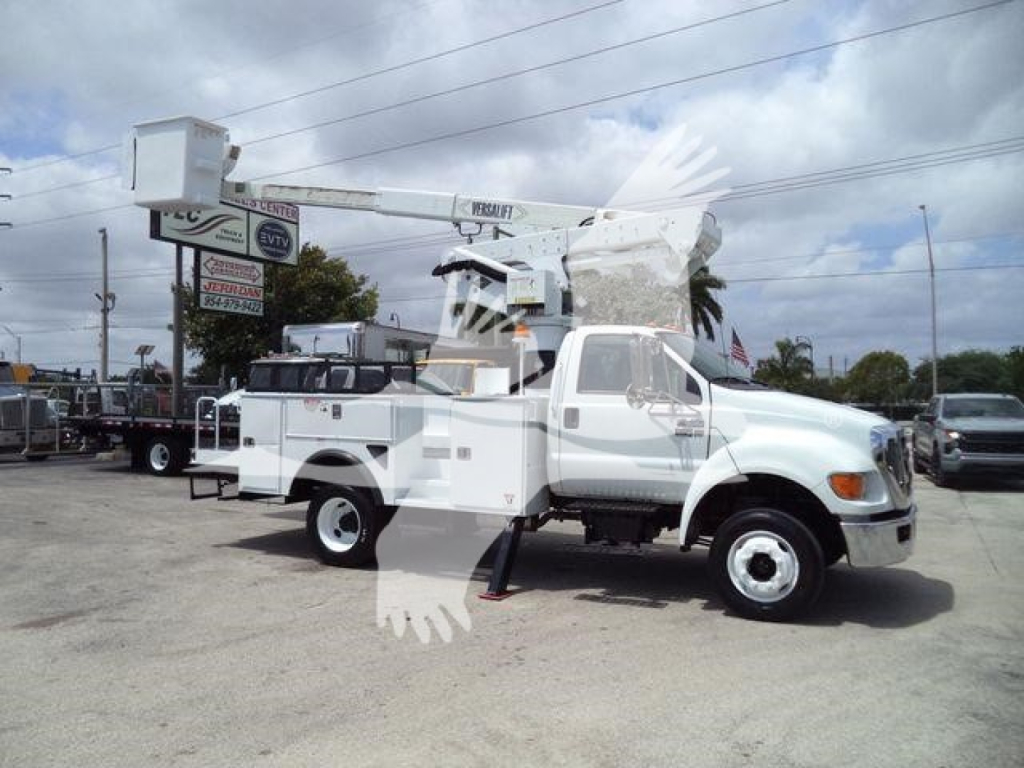
Florida operating conditions make corrosion control, cooling performance, and electrical system condition especially important. Salt air, high humidity, heavy rain, and long idle periods can be hard on outriggers, boom pins, hoses, wiring, hydraulic cylinders, and body compartments. Buyers should inspect for rust in subframes and mounting points, water intrusion in tool bodies and control boxes, and wear in PTO-driven hydraulic systems. If the equipment is used for utility or aerial work, confirm platform capacity, boom reach, insulation rating if applicable, outrigger style, and the condition of the rotation system. On units with articulated or telescopic booms, service records for hoses, wear pads, and structural inspections carry real value.
A broad equipment category also means wide variation in powertrain and compliance needs. Gas and diesel engines both appear in medium-duty and vocational applications, and transmission type, rear axle ratio, and brake setup should match route density and payload demands. In Florida, many buyers also pay attention to air conditioning performance, cab ergonomics, and ease of entry because the truck may spend long hours in stop-and-go service. If towing is part of the job, check hitch type, rated towing capacity, trailer brake provisions, and how the load affects axle distribution. For equipment that works off-road, on rights-of-way, or in storm response, ground clearance, tire condition, locking differential availability, and outrigger footprint can make a major difference in usable productivity.
The best purchase decision usually comes down to jobsite fit, not just price. A lighter unit may be easier to route and cheaper to operate, while a heavier chassis with a stronger PTO and higher-rated suspension may hold up better in continuous utility or contractor service. Review engine hours and PTO hours separately when available, compare service body storage and deck space, and verify that any safety equipment, control stations, and emergency lowering systems function as intended. For Florida buyers, transportability, local service support, and readiness for heat, rain, and corrosion exposure are practical factors that should sit right alongside age, make, and model.
Frequently Asked Questions about Equipment in Florida
What should I inspect first when buying used commercial equipment in Florida?
Start with the frame, mounting structure, hydraulic system, electrical system, and any corrosion-prone areas. Florida humidity, rain, and coastal exposure can accelerate rust, damage wiring, and shorten hose and seal life. On truck-mounted equipment, inspect the chassis and the upper unit as separate systems. Check service records, PTO operation, boom or crane function, outrigger performance, and signs of water intrusion in compartments or controls.
How do I choose the right size and capacity for truck-mounted lifting equipment?
Match the unit to the actual work, not the maximum occasional job. Key factors include working height, horizontal reach, platform or lift capacity, body storage, GVWR, axle ratings, and wheelbase. A unit that is undersized will limit productivity and stability, while an oversized unit can add unnecessary operating cost, weight, and routing limitations. Buyers should also consider outrigger spread, setup space, and whether the job is primarily urban, roadside, or off-pavement.
Why do PTO and hydraulic system condition matter so much on vocational equipment?
The PTO and hydraulic system are the working heart of many service, lifting, and utility units. Weak pump performance, contaminated fluid, leaking cylinders, or irregular control response can indicate expensive repairs ahead. A proper inspection should include PTO engagement, hydraulic pressure and flow under load, hose condition, cylinder drift, valve response, and smooth operation through the full working range. Equipment with documented hydraulic service history is generally a safer buy.
Are engine hours or miles more important on used equipment?
Both matter, but on vocational equipment engine hours often tell more about actual wear than mileage alone. A truck that spent years idling to power PTO-driven equipment may show moderate miles but high engine hours. Buyers should compare miles, engine hours, and PTO hours together when available. That combination gives a better picture of chassis wear, engine life, and how heavily the equipment itself has been used.
What features are most useful for utility, municipal, and contractor applications?
Useful features depend on the application, but common priorities include adequate working height or lifting capacity, stable outrigger design, secure body storage, reliable PTO hydraulics, and a chassis rated for the tools and materials carried daily. Air conditioning, automatic transmission, backup camera systems, pintle or receiver hitch options, and accessible service points also improve day-to-day usability. For utility-type work, buyers may also look for insulated boom configurations, one-person or two-person platform setups, and body layouts that support traffic control gear and repair tools.