
2013 Doosan Equipment For Sale in New York
Browse 2013 Doosan equipment for sale, including durable used forklifts known for solid lift capacity, LP power, side shift, and warehouse-ready design.
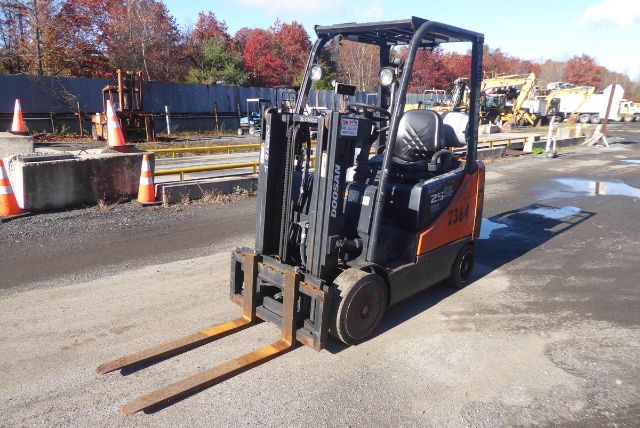
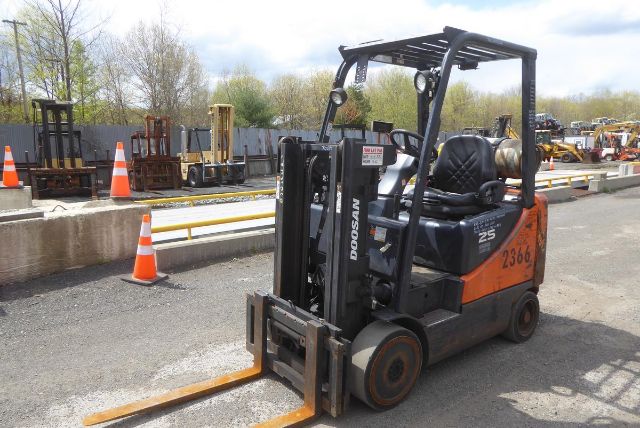
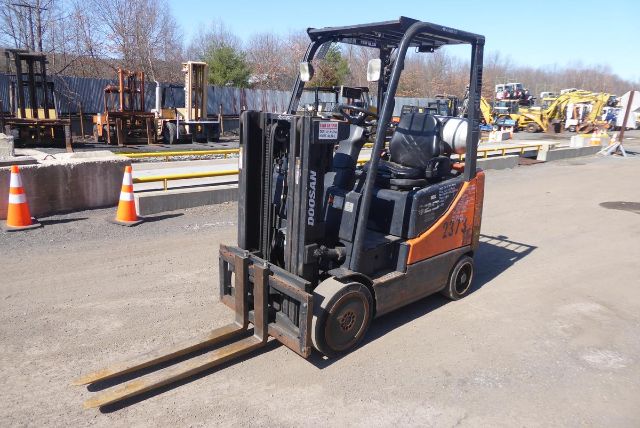
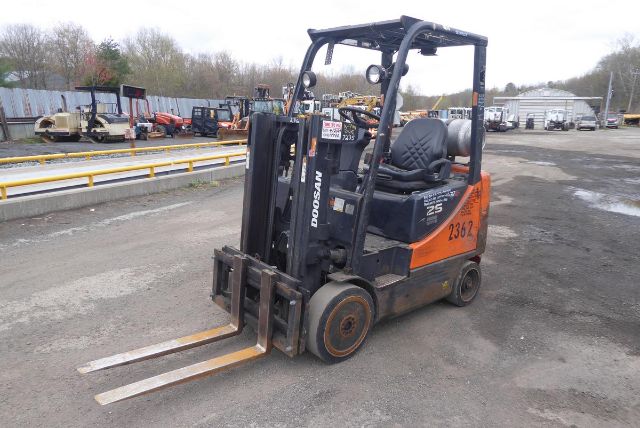
Selling a 2013 doosan equipment? List your 2013 doosan equipment for sale and reach thousands of commercial buyers.
2013 Doosan Equipment in New York
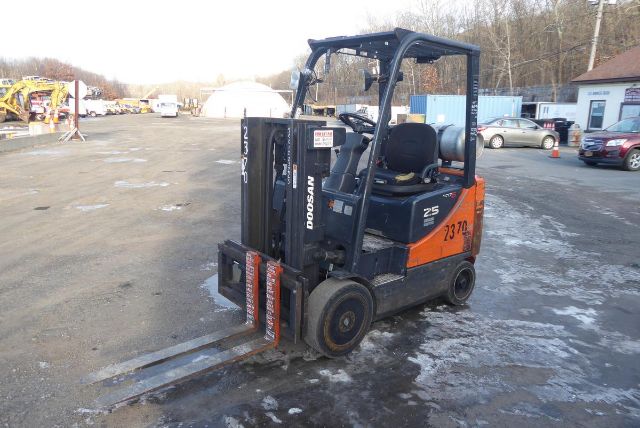
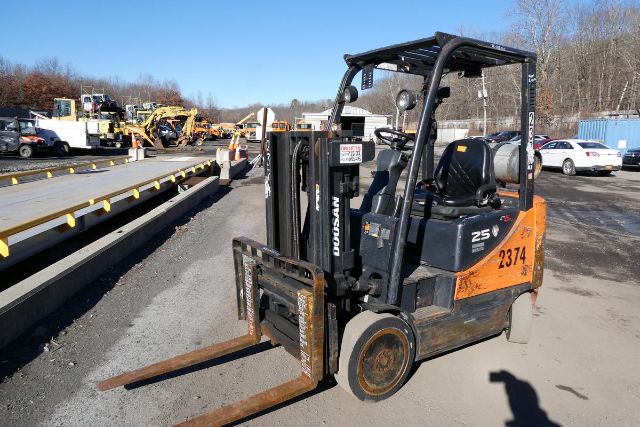
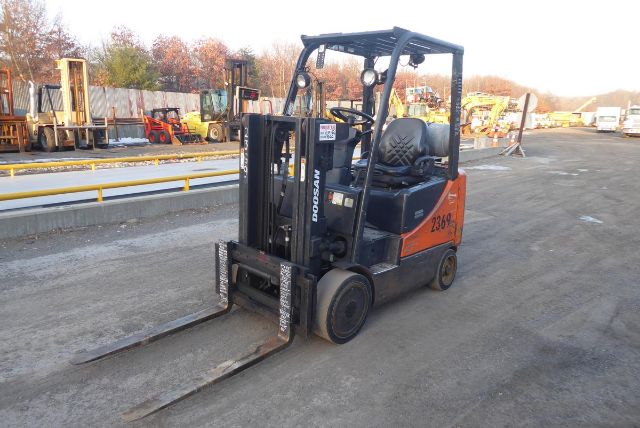
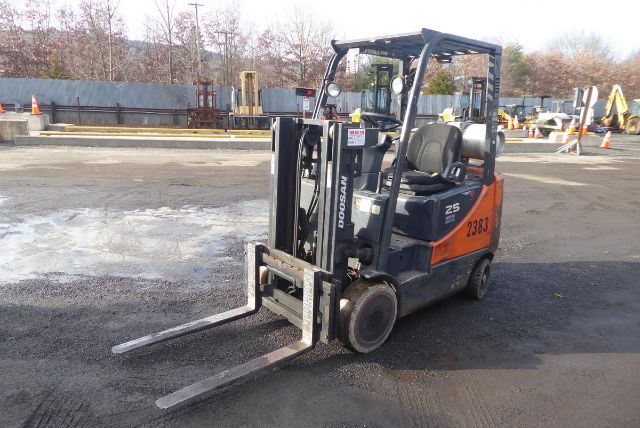
On a typical 2013 Doosan forklift, pay close attention to mast style, lowered height, side shift function, and actual fork dimensions. A double mast with around 80 inches of loading height can be a good fit for docks, warehouse racking, manufacturing floors, and building supply handling. Hydraulic side shift is a valuable feature in daily use because it reduces repositioning time at the pallet and helps operators work faster in narrow spaces. Fork length, tilt range, and carriage condition also matter because they affect how well the truck matches your pallet size, rack depth, and attachment needs.
Condition is more important than model year alone on used Doosan equipment. Hour meter readings near the high teens are common in fleet forklifts, so buyers should inspect lift and tilt cylinders for seepage, evaluate cold start behavior, check transmission engagement in forward and reverse, and confirm the mast raises smoothly under load. Solid tires are common on this type of forklift and are practical for concrete and warehouse applications, but tire wear can still affect ride quality and stability. LP units should also be checked for regulator condition, fuel system integrity, and whether the sale includes the propane tank, since many commercial transactions exclude it.
For New York buyers, operating environment matters. Indoor warehouse use, food distribution, industrial yards, and mixed dock work each put different demands on a forklift. A compact Doosan LP forklift from 2013 can make sense for businesses that need a simple, proven material handling unit with manageable operating costs and readily understood controls. The best buying decision usually comes down to service history, mast and hydraulic condition, tire type, attachment setup, and whether the truck's dimensions and capacity fit the loads you move every day.
Frequently Asked Questions about 2013 Doosan Equipment in New York
What is the typical lift capacity of a 2013 Doosan forklift?
Many 2013 Doosan forklifts in the common warehouse class are rated around 3,900 to 4,000 pounds, although exact capacity depends on the model, mast configuration, load center, and any installed attachment. Buyers should always verify the data plate because side shifters, longer forks, and other attachments can change the effective capacity.
Is a 2013 Doosan LP forklift a good choice for indoor warehouse use?
A 2013 Doosan LP forklift can be a strong fit for indoor warehouse and dock work if the facility is set up for internal combustion equipment and ventilation requirements are met. LP forklifts are popular because they refuel quickly, deliver steady power, and handle repetitive pallet movement well. Cushion-tire versions are especially common on smooth concrete floors and in tighter operating spaces.
What should I inspect on a used 2013 Doosan forklift before buying?
Focus on the mast, carriage, forks, hydraulic cylinders, transmission response, steering play, brake function, and tire wear. Check for smooth lift and tilt operation, look for leaks or cylinder seepage, and confirm that side shift and other hydraulic functions work correctly. It is also smart to review the hour meter, service records, engine behavior under load, and the condition of the LP fuel system components.
Are parts and service support still available for 2013 Doosan equipment?
In many cases, yes. Support for a 2013 Doosan forklift is generally manageable through aftermarket channels, forklift service providers, and parts networks familiar with Doosan material handling equipment. Availability can vary by component, so buyers should confirm support for wear items, mast parts, hydraulic seals, ignition components, and model-specific engine or transmission parts before purchase.
Why does side shift matter on a used Doosan forklift?
Side shift saves time and improves pallet placement accuracy by allowing the operator to move the forks left or right without repositioning the entire truck. That matters in narrow aisles, at loading docks, and in rack systems where alignment has to be precise. On a used forklift, side shift is also worth testing carefully because worn pins, hoses, or cylinders can affect performance and add repair cost.