
Used 1993 Caterpillar Equipment For Sale in New York
Browse used 1993 Caterpillar equipment for sale, including loaders, excavators, graders, and more built for construction, quarry, and site work.
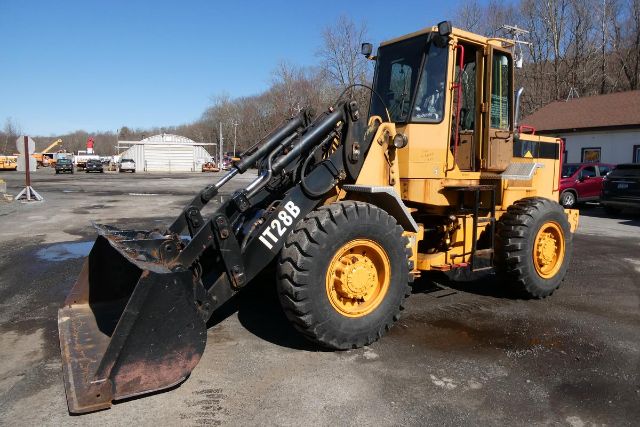
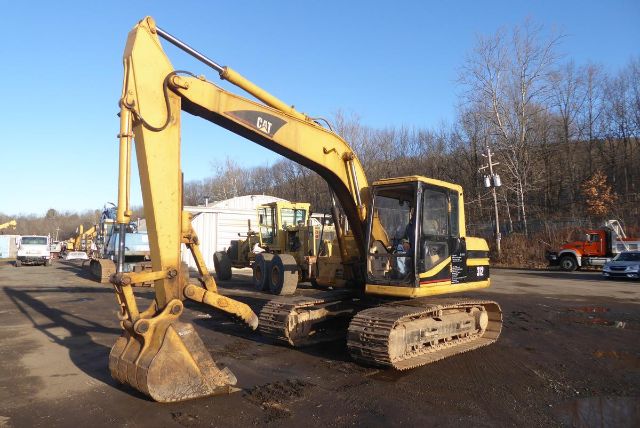
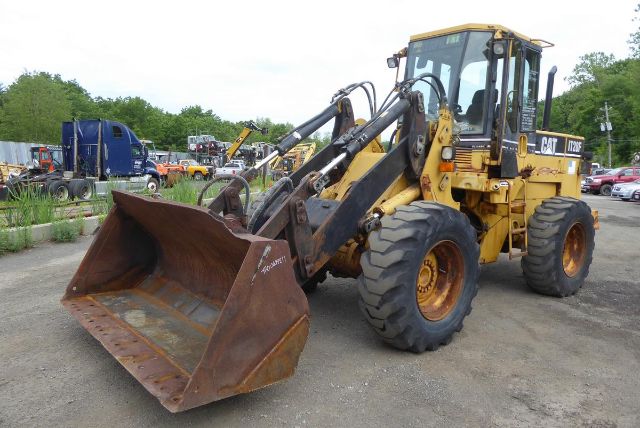
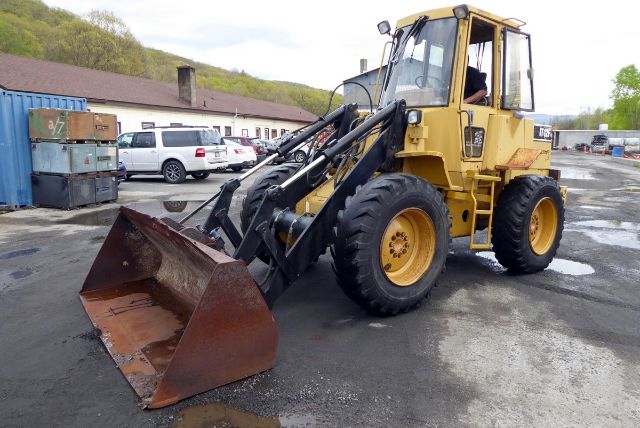
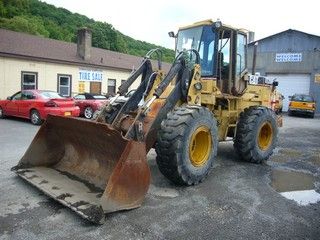
Selling a used 1993 caterpillar equipment? List your used 1993 caterpillar equipment for sale and reach thousands of commercial buyers.
Used 1993 Caterpillar Equipment in New York
The biggest buying decision is less about model year and more about machine type, hours, and condition of major wear components. On a 1993 Caterpillar wheel loader, pay close attention to articulation play, center pins, transmission shift quality, brake response, bucket linkage wear, and tire condition. On excavators, undercarriage life, swing bearing looseness, final drives, hydraulic cylinder leakage, pump performance, and pin and bushing wear usually tell the real story. If the machine is a grader, loader, dozer, or excavator, look for maintenance records showing engine work, injector or pump service, cooling system upkeep, and any reseal history on lift, boom, or tilt cylinders. A clean-running older Cat can still be productive, but deferred maintenance gets expensive quickly.
Many 1993 Caterpillar machines use mechanical or early electronically managed diesel platforms, which can be a benefit for owners who want easier field diagnosis. Common specs in this age range vary by category, but buyers will often see powershift or automatic transmissions on loaders and graders, hydrostatic travel systems on compact equipment, enclosed cabs with heat, and conventional quick coupler or quick disconnect bucket arrangements depending on the model. Weight class, transport dimensions, tire size, undercarriage percentage, and hydraulic attachment capability all matter because they directly affect hauling cost, jobsite fit, and attachment compatibility. In New York, cold-weather starting, cab heat, tire or track condition, and corrosion from road salt exposure deserve extra attention, especially on municipal or snow-related units.
Caterpillar remains one of the strongest names in the used equipment market because model support, aftermarket parts availability, and technician familiarity are still generally good even on older iron. The best value usually comes from matching the machine to the work instead of buying strictly on horsepower or bucket size. A buyer comparing used 1993 Caterpillar equipment should verify serial number plate details, inspect for structural repairs or welds, confirm hour meter credibility, and evaluate how much life is left in the undercarriage, tires, hydraulics, and drivetrain. Older Cat equipment can still make sense when the machine is tight, correctly sized, and priced with the remaining wear life in mind.
Frequently Asked Questions about Used 1993 Caterpillar Equipment in New York
Is used 1993 Caterpillar equipment still a good buy?
It can be a good buy if the machine has been maintained and the major wear items still have usable life left. Older Caterpillar equipment is often valued for durable construction, simpler systems, and broad parts support, but condition matters far more than age alone. Engine performance, hydraulic strength, transmission operation, undercarriage or tire condition, and evidence of past repairs should drive the decision.
What should I inspect first on a 1993 Caterpillar machine?
Start with the highest-cost components: engine, transmission or final drives, hydraulics, and the undercarriage or tires. Then check for excessive play in pins and bushings, cylinder leakage, structural cracks, articulation wear on loaders, and any signs of overheating or contaminated fluids. A cold start and a full operational test are especially important on equipment from this era.
Are parts still available for 1993 Caterpillar equipment?
Parts availability is generally one of the stronger reasons buyers stay with Caterpillar. Many common service items, seals, filters, hoses, undercarriage parts, and some drivetrain components are still available through OEM and aftermarket channels. Availability will vary by model and serial number range, so it is smart to confirm support for any machine-specific items before purchase.
What are common applications for used 1993 Caterpillar equipment?
These machines are still commonly used in excavation, aggregate handling, road maintenance, farm work, snow removal, land clearing, and general site support. Wheel loaders, excavators, graders, and compact machines from this period often fit buyers who need dependable production without the cost of newer late-model equipment. The right application is usually moderate-duty work where uptime and low ownership cost matter more than advanced technology.
Does buying older Caterpillar equipment in New York require any special considerations?
Yes. Machines used in New York should be checked carefully for corrosion, especially around cab mounts, steps, battery boxes, hydraulic lines, and wheel or frame areas exposed to salt and winter road work. Cold-weather starting, heater function, block heater presence, and condition of tires or tracks are also important because seasonal temperature swings can reveal weaknesses that may not show up in milder regions.