
Used 1993 Caterpillar Equipment For Sale
Browse used 1993 Caterpillar trucking equipment for sale, including durable Cat machines known for strong diesel power, parts support, and jobsite value.
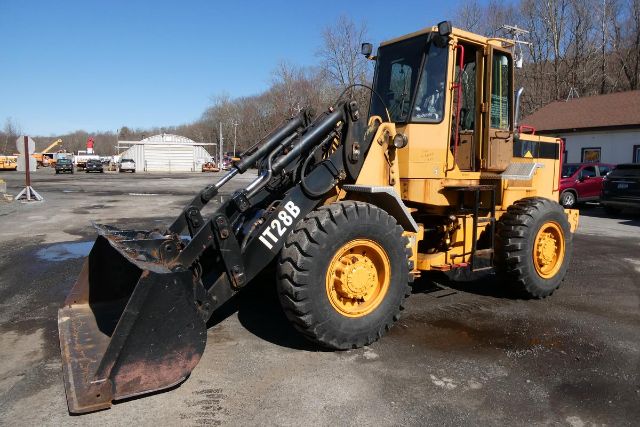
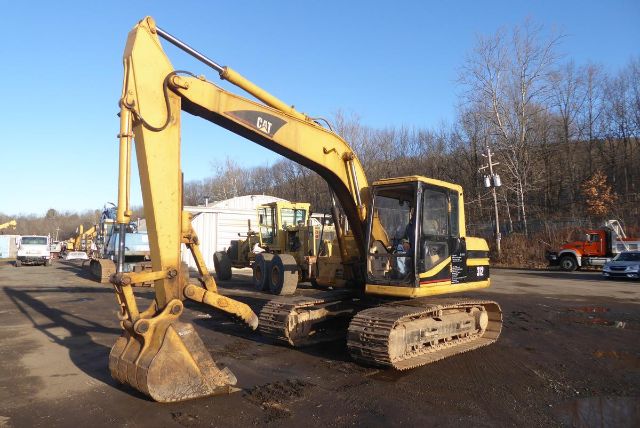
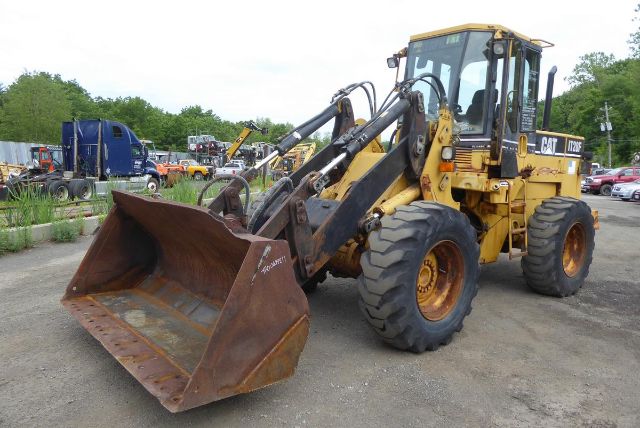
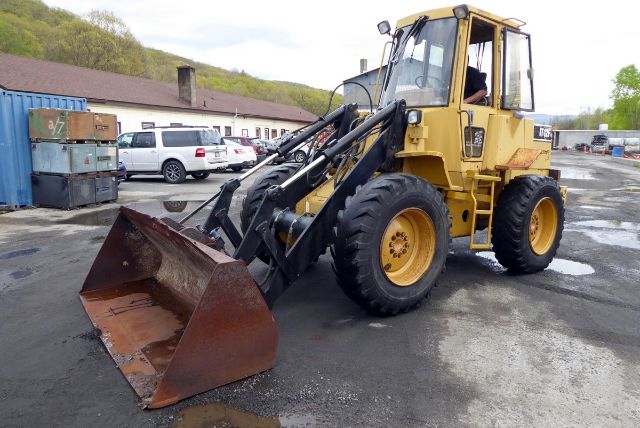
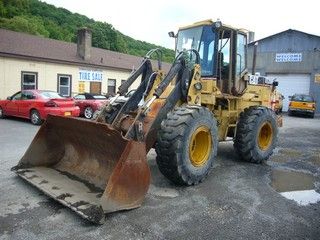
Selling a used 1993 caterpillar equipment? List your used 1993 caterpillar equipment for sale and reach thousands of commercial buyers.
Used 1993 Caterpillar Equipment
In this age range, Caterpillar machines commonly feature mechanical-injection diesel engines, powershift or automatic transmissions, enclosed cabs or ROPS configurations, and attachment-friendly hydraulic setups depending on the machine type. On loader and material-handling platforms, quick couplers, third-valve hydraulics, ride control, bucket condition, fork capability, tire size, and center-pin or boom-pin wear all matter. Hour meter readings can vary widely on 1993 equipment, so inspection should center on actual operating condition. Look closely for cylinder seepage, play in pins and bushings, cutting edge wear, driveline looseness, axle noise, cooling system condition, and signs of previous structural repair around the frame, linkage, and attachment mounts.
A 1993 Caterpillar unit can still make sense for operations that need reliable production without the cost of newer emissions-era equipment. Many buyers target these machines for loadout work, yard support, snow handling, farm use, recycling, and general material movement because they are easier to diagnose and often less complex to keep running. Tire condition, brake performance, cab integrity, glass, seat wear, and gauge operation should be reviewed along with service records and serial number verification. If the machine includes a quick-disconnect setup, confirm coupler compatibility and check attachment dimensions before purchase.
The strongest value in used 1993 Caterpillar equipment usually comes from matching the machine’s current condition to the intended workload. A lower-cost unit with cosmetic wear may be fine for backup or seasonal service, while a primary-production machine should justify itself with tight pins, dry hydraulics, strong transmission engagement, and a clean cold start. Caterpillar’s long-standing reputation helps resale and parts sourcing, but age alone means every buyer should inspect for undercarriage or tire expense, leaks, deferred maintenance, and operational safety issues before putting a machine into regular service.
Frequently Asked Questions about Used 1993 Caterpillar Equipment
What should I inspect first on used 1993 Caterpillar equipment?
Start with the engine, transmission, hydraulics, brakes, and structural wear points. On older Caterpillar machines, buyers should pay close attention to cold-start behavior, blow-by, fluid leaks, cylinder seepage, articulation or center-pin wear, looseness in pins and bushings, and how the transmission engages in forward and reverse. Tire condition, attachment wear, cab function, and service history are also important because repair costs on neglected wear items can quickly change the value of the machine.
Is 1993 Caterpillar equipment still a practical choice for commercial use?
Yes, if the machine has been maintained and its condition matches the job. Many 1993 Caterpillar units remain practical for yard work, aggregate handling, farm support, recycling, snow work, and intermittent production because they use robust components and generally simpler systems than newer equipment. The key is to buy based on inspection results, not age alone, and to budget for normal wear-item replacement on any machine that has seen years of service.
Are parts still available for used 1993 Caterpillar machines?
Parts availability is one of the main reasons buyers continue to consider older Caterpillar equipment. Support often remains strong through Caterpillar dealers, aftermarket suppliers, salvage channels, and independent heavy equipment parts networks. Availability can vary by model and component, so it is smart to confirm support for engine parts, hydraulic components, axle or driveline items, cab glass, and attachment-coupler parts before committing to a purchase.
How important are hours on a 1993 Caterpillar machine?
Hours matter, but they do not tell the whole story on equipment of this age. A higher-hour machine with documented maintenance, tight linkage, and strong hydraulic and drivetrain performance can be a better buy than a lower-hour unit with poor storage history or deferred repairs. Meter accuracy can also be a concern on older equipment, so buyers should compare indicated hours with pedal wear, seat condition, control wear, service records, and overall machine tightness.
What applications are common for older Caterpillar loader-type equipment?
Older Caterpillar loader-type machines are commonly used for truck loading, stockpile work, pallet and fork handling, municipal support, feed and fertilizer handling, scrap and recycling yards, and general property maintenance. Machines equipped with quick couplers, buckets, forks, third-valve hydraulics, or ride control can be especially versatile. The best application depends on lift capacity, attachment compatibility, tire setup, and the condition of the steering, hydraulic, and drivetrain systems.