
Used Caterpillar Equipment For Sale
Browse used Caterpillar trucking equipment with details on Cat diesel power, common applications, operating costs, and inspection points.
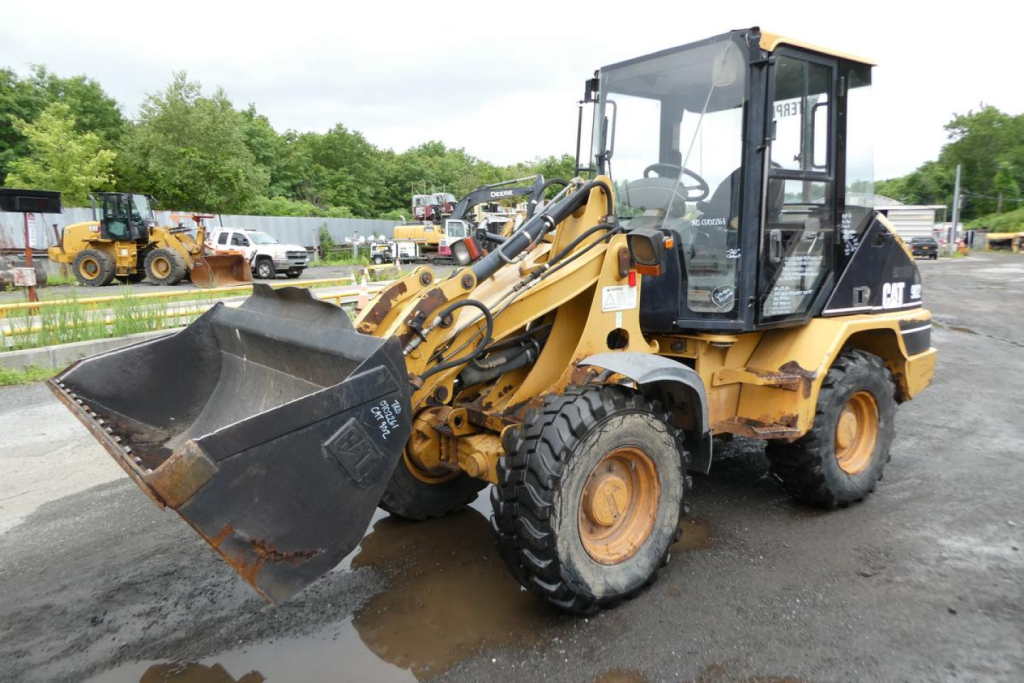
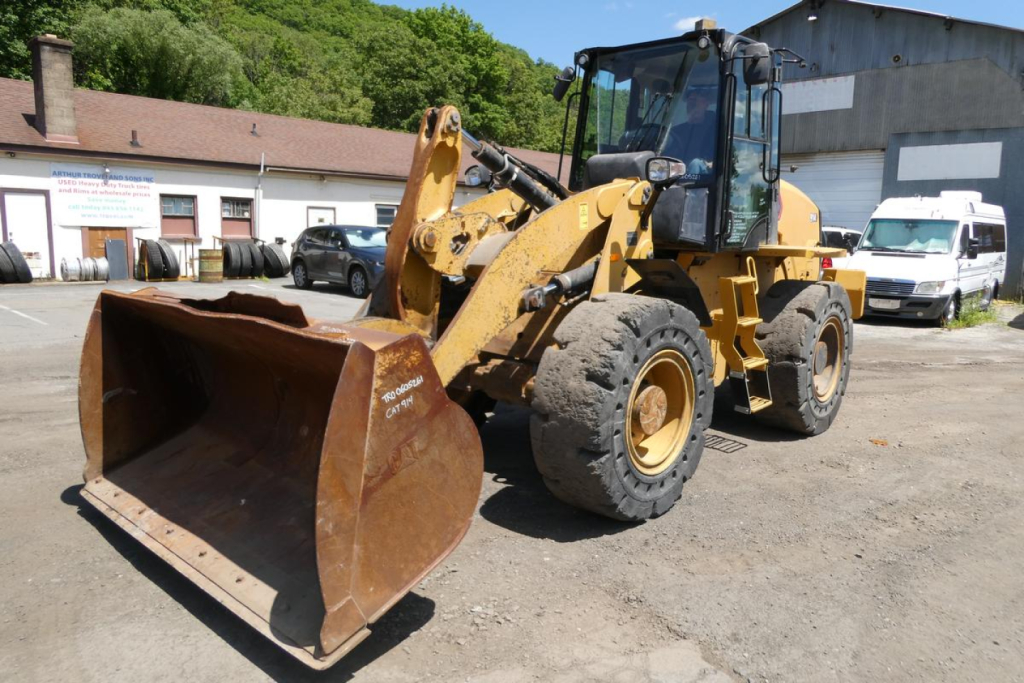
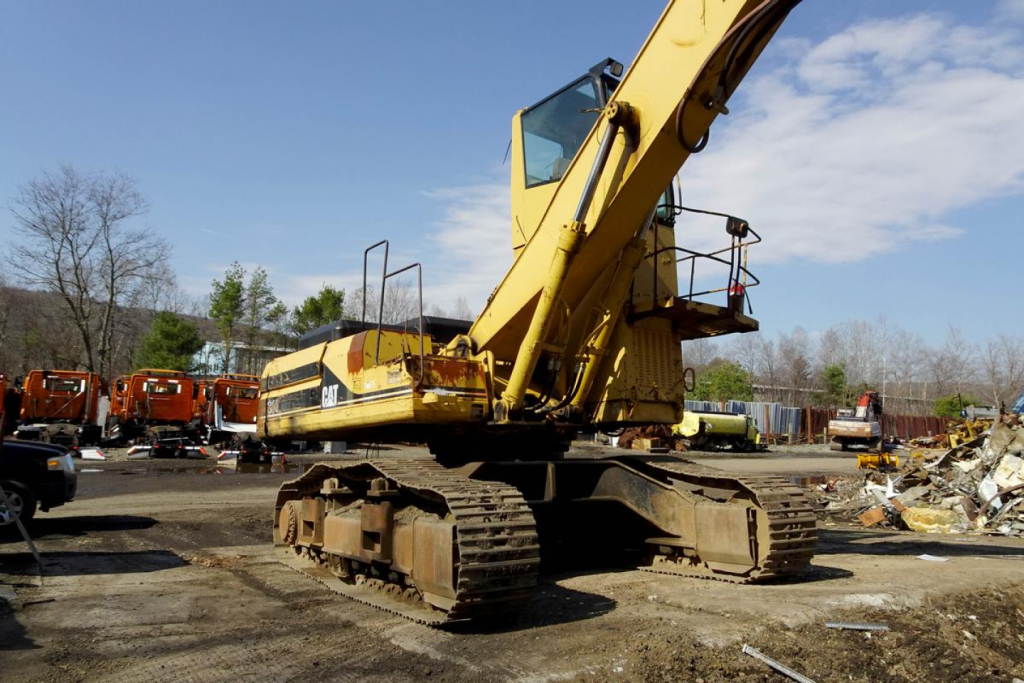
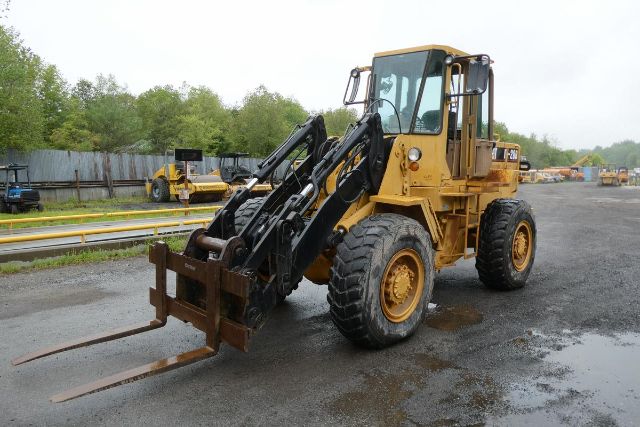
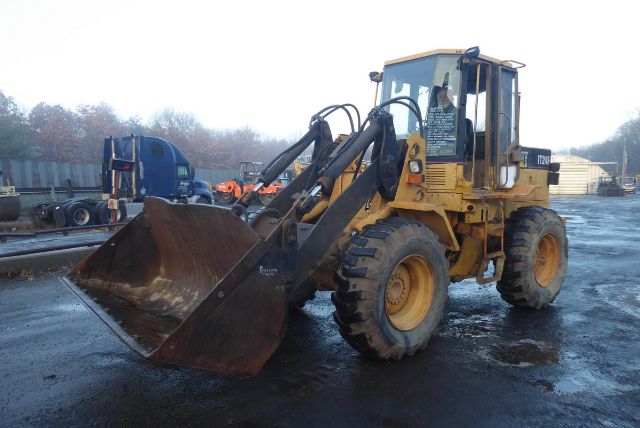
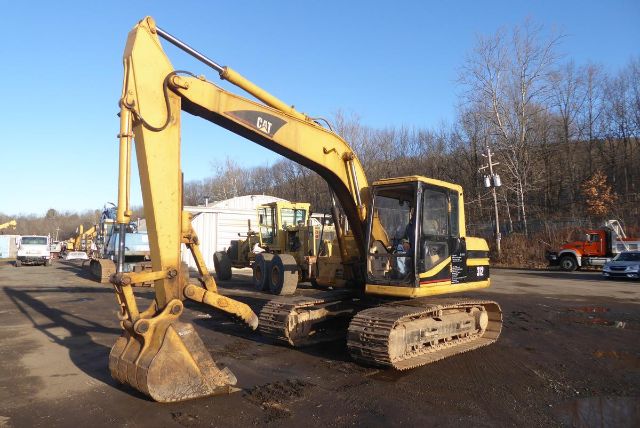
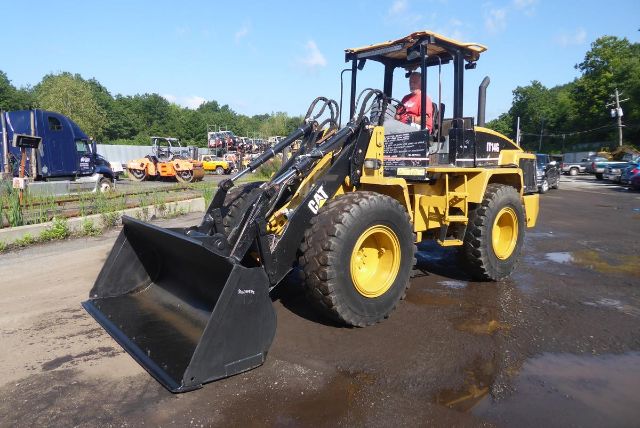
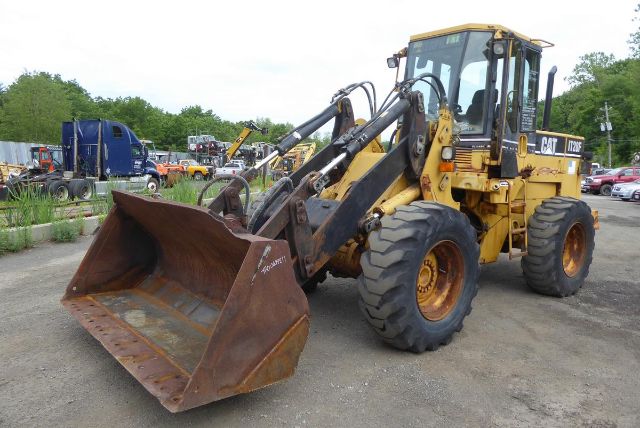
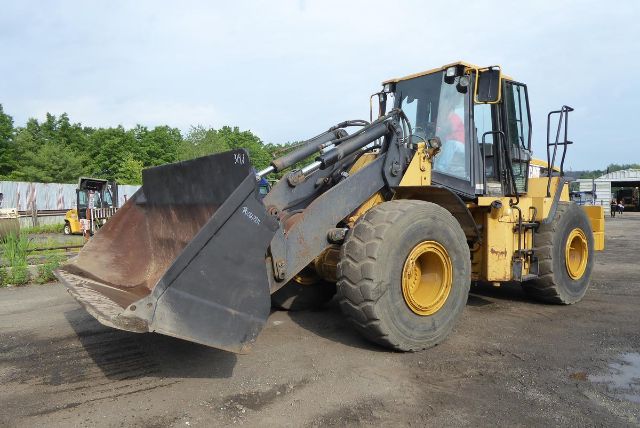
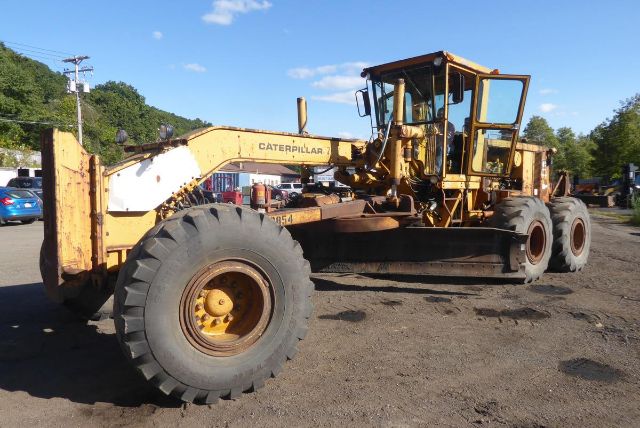
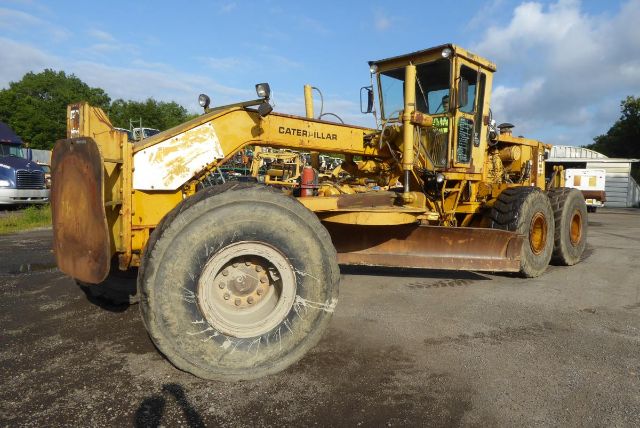
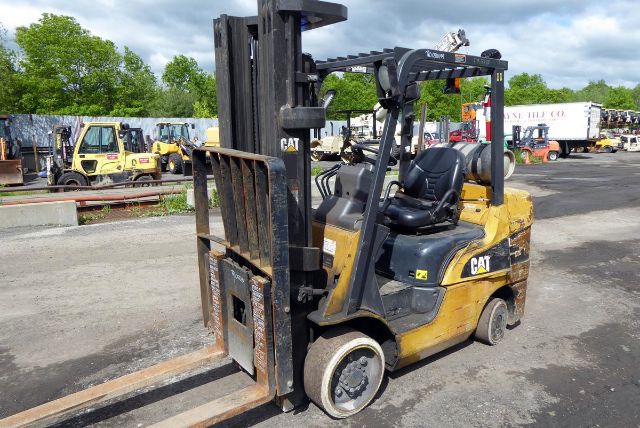
Showing 1 to 28 of 30 results
Selling a used caterpillar equipment? List your used caterpillar equipment for sale and reach thousands of commercial buyers.
Used Caterpillar Equipment
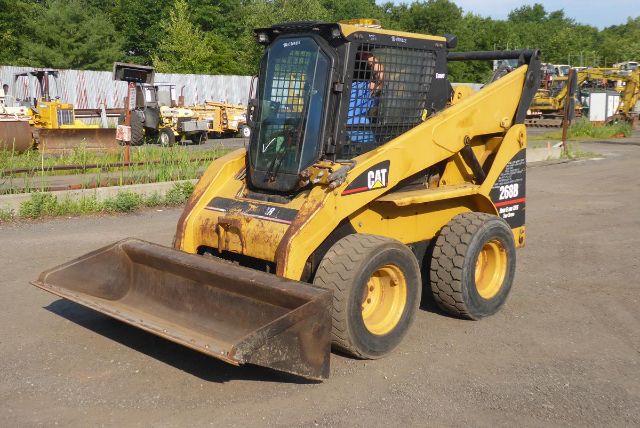
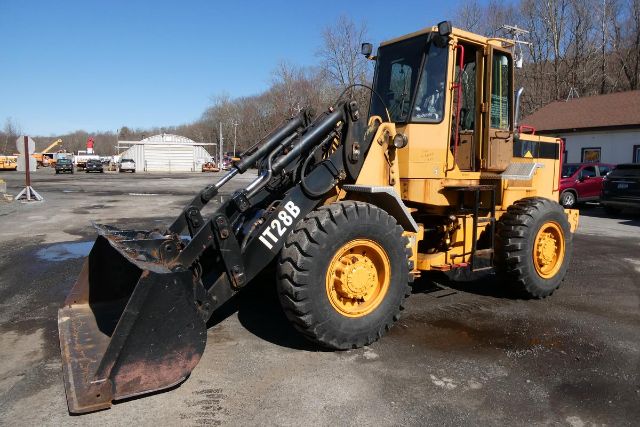
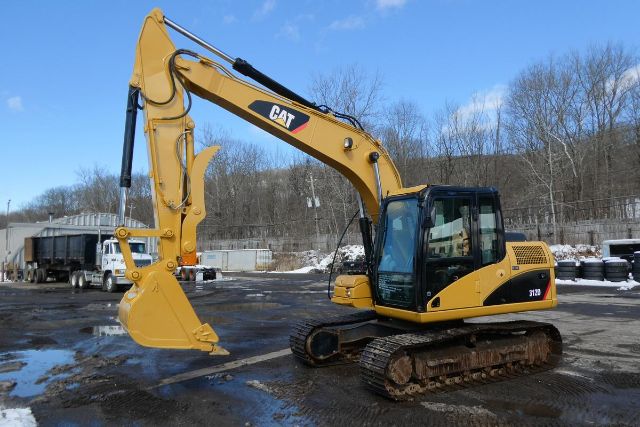
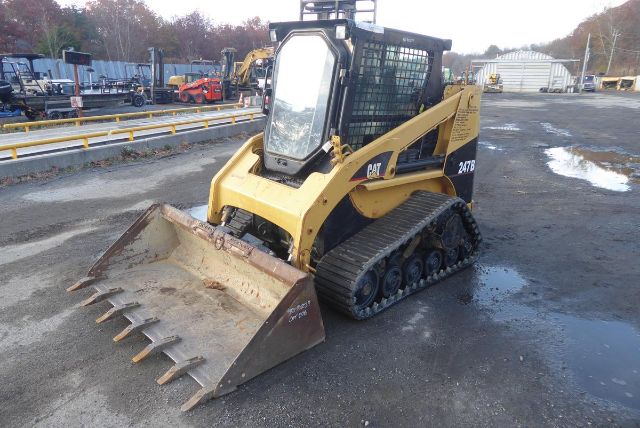
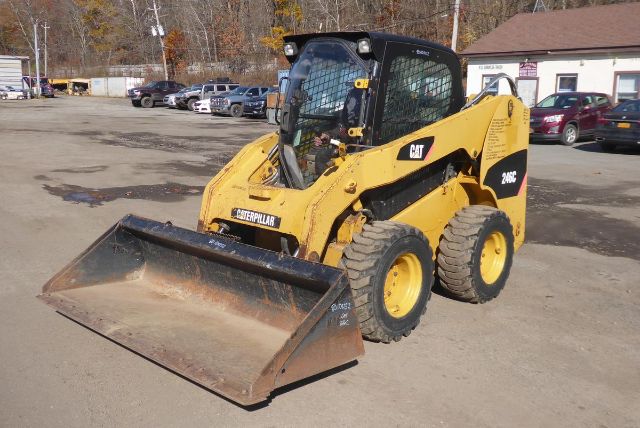
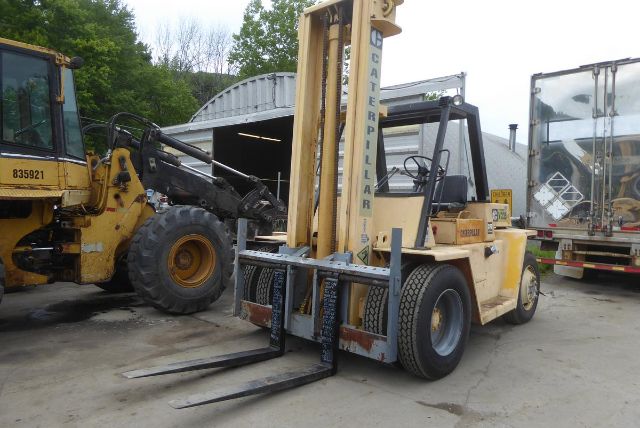
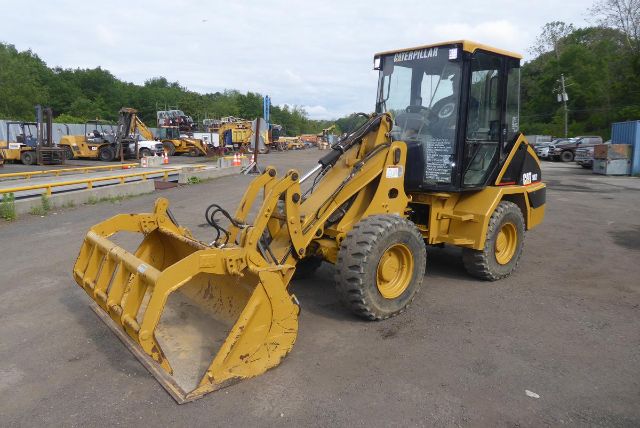
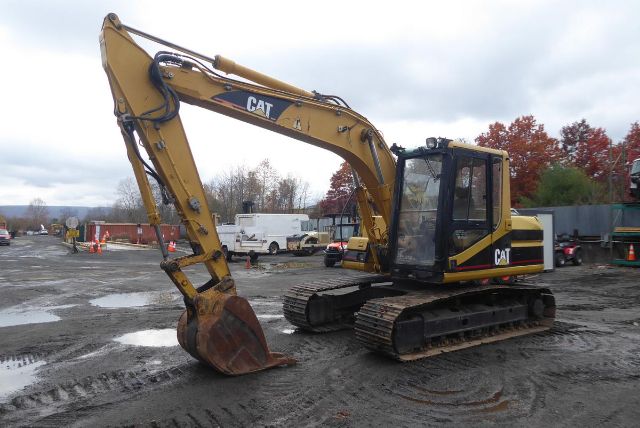
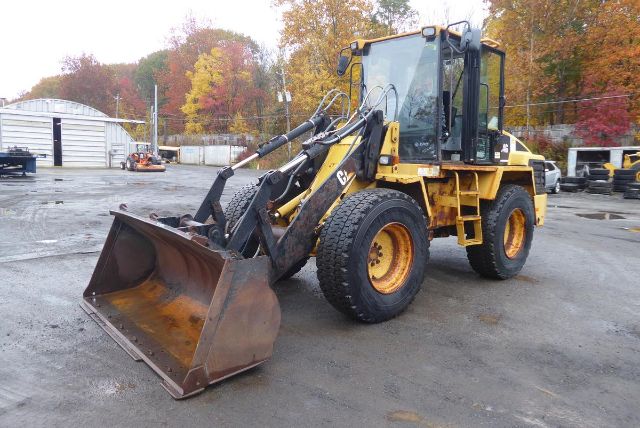
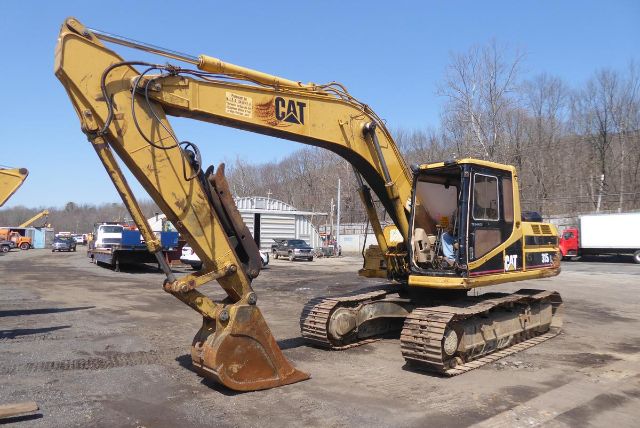
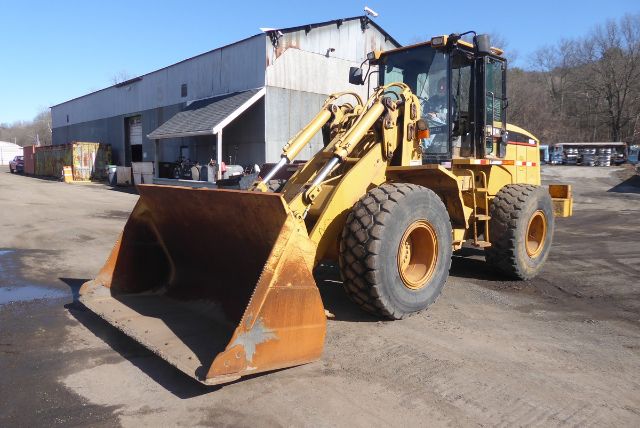
A smart buying decision usually starts with the job, not the badge on the hood. Smaller Cat skid steers and compact loaders are practical for tight yards, snow removal, palletized material handling with attachments, and general property maintenance. Mid-size wheel loaders are better suited for aggregate, mulch, scrap, salt, or feed handling where bucket capacity, breakout force, and visibility matter. Cat excavators in this class are commonly used for drainage work, trenching, lot expansion, demolition support, and utility repairs around truck facilities. Forklifts and material handlers are often selected based on lift capacity, mast height, tire type, and whether the machine will work on pavement, gravel, or uneven ground.
On used Caterpillar equipment, the key checkpoints are usually engine health, hydraulic response, undercarriage or tire condition, articulation and boom pin wear, and signs of leakage around lift, tilt, and boom cylinders. Buyers should pay close attention to hour meter reading in context with service history, because an older Cat machine with documented maintenance can be a better value than a lower-hour unit with poor upkeep. On loaders and skid steers, look for play in pins and bushings, quick coupler wear, auxiliary hydraulic function, and bucket condition. On excavators, undercarriage wear, track pad condition, swing bearing looseness, and seepage at cylinder seals can heavily affect total ownership cost. On forklifts, confirm mast operation, lift chain condition, brake performance, steering response, and tire match to the work surface.
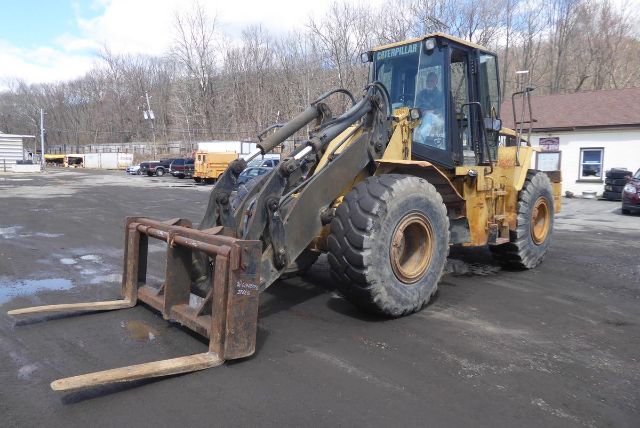
Cat engines and components are a major draw in the used market because many models use proven mechanical or early electronic diesel platforms that independent shops know well. Buyers comparing used Caterpillar trucking equipment should also factor in cab configuration, heat and air conditioning function, visibility, transport dimensions, operating weight, and attachment compatibility. Features like hydraulic quick couplers, third valve setups, ride control, auxiliary hydraulics, enclosed ROPS cabs, and grapple or fork options can significantly improve versatility. For fleets that need one machine to handle loading, cleanup, snow, and yard maintenance, used Caterpillar equipment can deliver broad capability with strong resale value when the machine has been properly serviced.
Frequently Asked Questions about Used Caterpillar Equipment
What types of used Caterpillar equipment are most common in trucking and fleet support operations?
The most common used Caterpillar equipment in trucking environments includes wheel loaders, skid steer loaders, excavators, and forklifts or lift trucks. Wheel loaders are typically used for bulk material handling such as gravel, salt, mulch, or scrap. Skid steers are useful for lot cleanup, snow work, and attachment-driven jobs in tighter spaces. Excavators support trenching, drainage, utility repair, and site development. Forklifts are used for loading docks, yards, and material handling where lift height and fork capacity are the main priorities.
What should I inspect first on used Caterpillar trucking equipment?
Start with the powertrain and hydraulics. Check cold-start behavior, exhaust smoke, blow-by, throttle response, and any signs of hard starting or fluid contamination. Then inspect cylinders, hoses, pumps, and valve response under load. On loaders and skid steers, check articulation points, bucket linkage, tires, and quick coupler wear. On excavators, focus on undercarriage wear, swing function, and pin and bushing play. A machine that runs smoothly but has neglected hydraulics or structural wear can become expensive quickly.
Are older Caterpillar machines still a good buy for commercial use?
Older Caterpillar machines can still be a strong value if maintenance has been consistent and major wear points are within reason. Many older Cat units use durable mechanical diesel engines and straightforward hydraulic systems that are well understood by experienced technicians. Parts availability is generally better than many competing brands, but condition still matters more than brand reputation alone. A higher-hour machine with service records, dry cylinders, and good component function is often a safer purchase than a lower-hour machine with visible neglect.
How do I choose between a Caterpillar skid steer, wheel loader, and excavator?
Choose based on the primary task and the space you have to work in. A skid steer is best for maneuverability, attachment flexibility, and fast cleanup or snow work in confined areas. A wheel loader is the better fit for repeated loading cycles, larger bucket capacity, and moving loose material efficiently over short distances. An excavator is the right tool when digging depth, reach, trenching, or utility work is part of the job. Many fleets choose a loader for production work and a skid steer for daily yard support.
Do features like auxiliary hydraulics and quick couplers matter on used Cat equipment?
Yes, those features can significantly affect productivity and resale appeal. Auxiliary hydraulics allow the machine to run attachments such as grapples, brooms, augers, or hydraulic breakers, which expands the equipment's role across different jobs. Quick couplers reduce attachment change time and make a single machine more useful across a workday. On the used market, machines equipped with these options often justify a premium if the hydraulic system is clean, responsive, and free of major leaks.