
Used 1995 Caterpillar Equipment For Sale
Browse used 1995 Caterpillar trucking equipment. Compare Cat diesel power, drivetrain options, specs, condition points, and ideal applications.
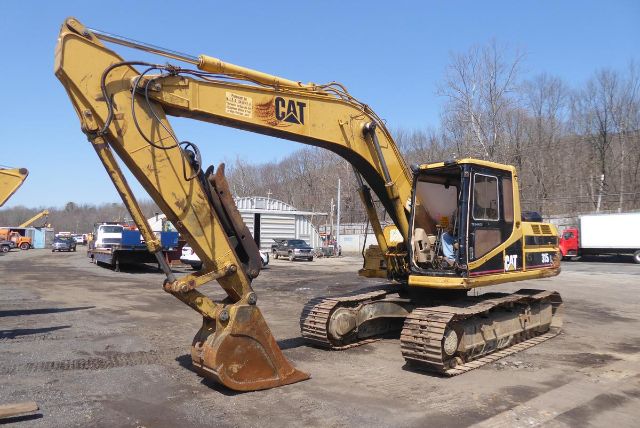
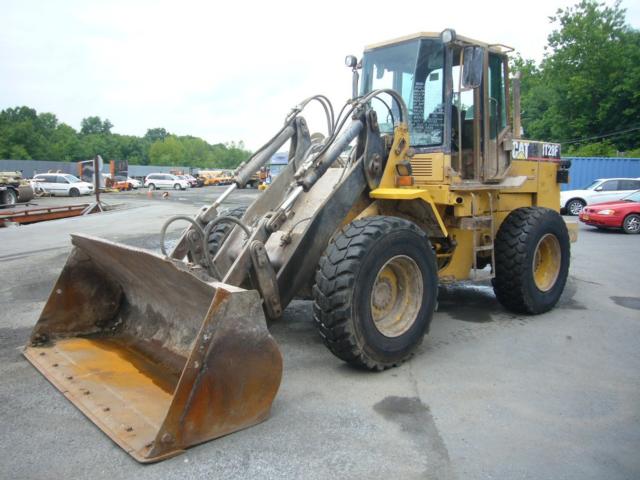
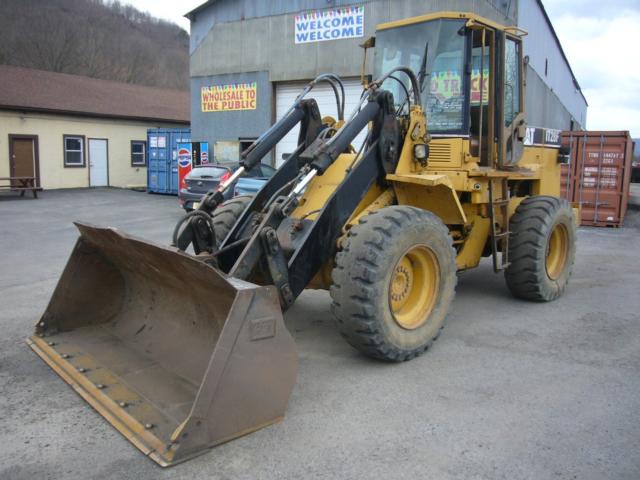
Selling a used 1995 caterpillar equipment? List your used 1995 caterpillar equipment for sale and reach thousands of commercial buyers.
Used 1995 Caterpillar Equipment
A 1995 Caterpillar unit can be a practical fit for operations that need dependable iron without the cost of late-model emissions systems or high electronics content. Common Cat platforms from this era often used mechanical diesel engines, straightforward automatic or powershift transmissions depending on the application, and heavy-duty frames built for long service cycles. That makes inspection especially important. Look closely at engine blow-by, fluid seepage, transmission engagement, axle or final drive noise, steering response, brake performance, and any play in pins, bushings, or articulation points if the equipment is construction-related or vocationally adapted. Hour meter readings matter, but overall maintenance quality usually tells the bigger story on mid-1990s Caterpillar equipment.
For trucking-related buyers, Caterpillar equipment from 1995 is often considered for support roles around aggregate yards, recycling operations, equipment hauling businesses, farm fleets, municipal work, and material handling sites. The right unit depends on the work cycle. Higher-hour machines can still be productive if the engine, hydraulics, cooling system, and undercarriage or tire package have been maintained properly. Buyers should confirm attachment compatibility, cab configuration, PTO or hydraulic provisions where applicable, transport dimensions, operating weight, and tire or track replacement cost before making a decision. On older Cat equipment, replacement rubber, undercarriage work, and hydraulic repairs can change the real cost of ownership more than the purchase price alone.
Caterpillar remains a strong name in the used market because many 1995 machines still have supportable platforms, broad aftermarket parts access, and resale recognition. A smart buyer should match the equipment to the intended application, then verify condition through a thorough walkaround, fluid checks, and an operating test under load. If the machine starts clean, builds power properly, shifts or drives smoothly, and shows consistent maintenance rather than patchwork repairs, older Caterpillar equipment can still deliver solid value in demanding service.
Frequently Asked Questions about Used 1995 Caterpillar Equipment
What should I inspect first on used 1995 Caterpillar trucking equipment?
Start with the engine, drivetrain, and structural condition. Check cold-start performance, exhaust smoke, blow-by, fluid leaks, and cooling system condition. Then verify transmission engagement, steering response, brake function, and any unusual noises from axles, finals, or hydraulic pumps. On older Caterpillar equipment, evidence of regular maintenance is usually more important than appearance, and worn pins, bushings, tires, tracks, or hydraulic cylinders can add significant repair cost after purchase.
Is 1995 Caterpillar equipment still a good buy for commercial use?
It can be, especially for buyers who want lower acquisition cost and prefer pre-emissions mechanical diesel platforms. Many 1995 Cat machines are still useful in yard work, aggregate handling, recycling, municipal support, and farm or contractor applications. The key is buying on condition and application fit. A well-maintained unit with strong engine performance, solid hydraulics, and a sound chassis can still be productive, while a cheaper machine with deferred maintenance can quickly become expensive.
Are parts still available for 1995 Caterpillar equipment?
Parts support is one of the main reasons Caterpillar holds value in the used market. Many wear items, service parts, filters, seals, hoses, and common engine or hydraulic components remain available through dealer networks, rebuild channels, and aftermarket suppliers. Availability varies by model and serial number, so buyers should confirm support for major components such as injectors, pumps, transmission parts, undercarriage, or hydraulic cylinders before purchase.
Why do buyers choose older Caterpillar equipment over newer models?
Older Caterpillar equipment is often chosen for mechanical simplicity, lower upfront cost, and familiarity among operators and technicians. Many buyers prefer these machines because they have fewer electronic systems and no later-tier emissions hardware, which can reduce diagnostic complexity. For fleets with in-house maintenance capability, a 1995 Cat machine can be easier to keep working if the core engine, drivetrain, and hydraulic systems are still in good order.
How important are hours on a 1995 Caterpillar machine?
Hours matter, but they should not be viewed in isolation. A higher-hour Caterpillar machine with documented service, recent component work, and strong operating performance may be a better value than a lower-hour machine with poor maintenance history. Buyers should weigh hours alongside engine condition, hydraulic response, undercarriage or tire wear, transmission operation, and signs of structural fatigue or repair. On equipment of this age, maintenance quality usually has a greater effect on value than the meter alone.