
Used 1995 Caterpillar Equipment For Sale in New York
Browse used 1995 Caterpillar equipment in New York, including excavators, loaders, and more with specs, applications, and buying tips.
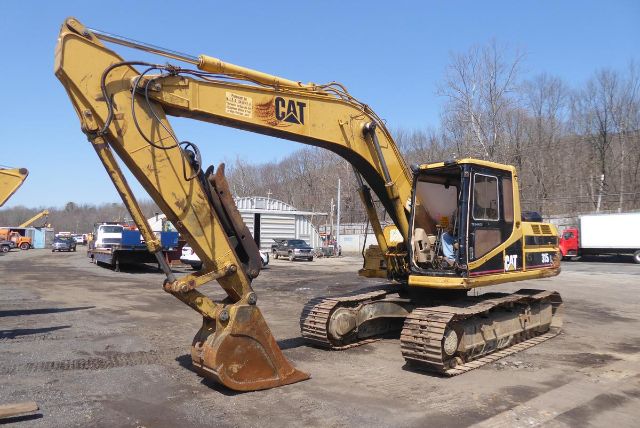
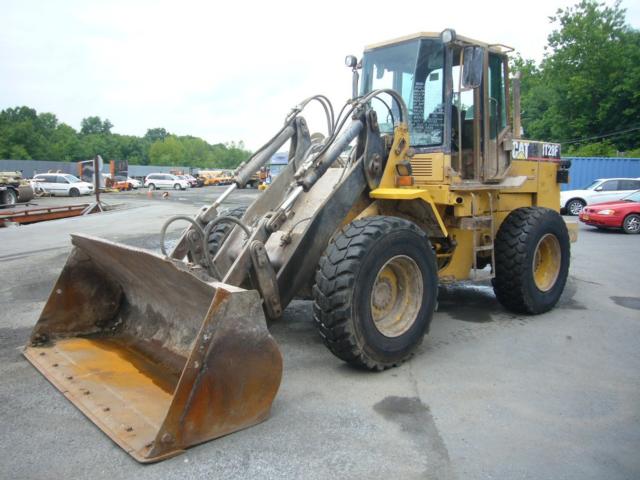
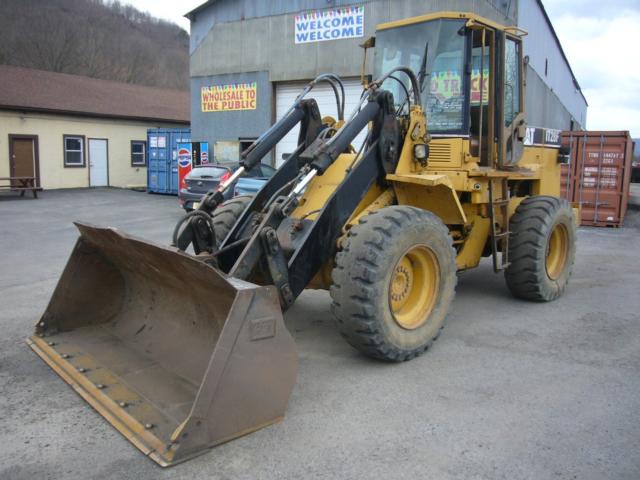
Selling a used 1995 caterpillar equipment? List your used 1995 caterpillar equipment for sale and reach thousands of commercial buyers.
Used 1995 Caterpillar Equipment in New York
The right buying decision usually starts with application, not model year alone. A mid-size Cat excavator from the mid-1990s is often chosen for trenching, site work, demolition support, drainage, and utility jobs, while a wheel loader is better suited for aggregate handling, snow work, yard loading, and material movement. Buyers should focus closely on operating weight, horsepower, undercarriage condition on tracked units, bucket or attachment setup, hydraulic response, and cab configuration. On older Caterpillar equipment, wear points tell the story quickly. Pins and bushings, boom and stick cylinder leakage, final drives, cooling system pressure, transmission engagement, and structural cracking around loader arms or house frames deserve a careful inspection before purchase.
In New York, regional conditions add another layer to the evaluation. Machines that have worked in snow, road salt, mud, or demolition debris may show more corrosion on frames, steps, belly pans, wiring, and hydraulic hard lines. Undercarriages on excavators and track machines can wear faster if they spent years in abrasive material or on hard surfaces. Cold-weather starting performance is also worth checking, especially on machines with older mechanical diesel engines, glow plug systems, or high-hour usage. Enclosed cabs, functional heaters, sound glass, and tight door seals tend to matter more in the Northeast than they might in milder regions.
A used 1995 Caterpillar machine can still be a productive asset if the condition matches the asking price and intended workload. Buyers should compare engine hours with overall wear, confirm the serial number, review any available service records, and inspect for attachment compatibility such as quick couplers, auxiliary hydraulics, thumbs, forks, or magnet and material-handling setups where applicable. Cat remains one of the strongest brands for long-term parts support and aftermarket coverage, which helps keep older equipment viable. The best value is usually a machine with honest wear, strong hydraulic performance, and a clear maintenance history rather than one that only looks clean cosmetically.
Frequently Asked Questions about Used 1995 Caterpillar Equipment in New York
Is used 1995 Caterpillar equipment still a good buy?
Yes, used 1995 Caterpillar equipment can still be a good buy if the machine has been maintained properly and the major wear components are evaluated carefully. Many Cat machines from this era use mechanical diesel engines and relatively straightforward hydraulic and drivetrain systems, which can reduce diagnostic complexity compared with newer equipment. The key is condition. Buyers should judge undercarriage wear, hydraulic leakage, engine blow-by, cooling system health, transmission function, and structural integrity before focusing on appearance.
What should I inspect first on a 1995 Caterpillar excavator or loader?
Start with the expensive wear areas. On excavators, inspect the undercarriage, pins and bushings, boom and stick ends, swing bearing area, hydraulic cylinders, pumps, and final drives. On wheel loaders, check articulation points, loader arm pivots, transmission response, axle condition, steering performance, and bucket linkage wear. On both types, look for active leaks, signs of overheating, weld repairs, corrosion, and excessive looseness in the work group. A cold start and a full operating-temperature test are both important.
Are parts still available for 1995 Caterpillar equipment?
Parts availability is one of the biggest advantages of older Caterpillar equipment. Many 1995 Cat models still have strong support through OEM channels, salvage sources, and the aftermarket. Availability can vary by model and component, but common service items, undercarriage parts, seals, hoses, filters, and many engine-related components are often still obtainable. Buyers should verify the serial number prefix because parts can differ within the same model line.
How many hours is too many on a used 1995 Caterpillar machine?
Hour totals matter, but they are not the only measure of value on older equipment. A high-hour machine with documented maintenance, solid hydraulic performance, and good structural condition may be a better purchase than a lower-hour machine with neglected service and major wear. For a 1995 unit, buyers should compare hour meter readings against pedal wear, joystick wear, seat condition, pin slop, and general machine tightness. The question is less about a fixed hour limit and more about how much usable life remains in the engine, hydraulics, undercarriage, and driveline.
What matters most when buying used Caterpillar equipment in New York?
In New York, corrosion, cold-weather operation, and prior jobsite environment matter more than many buyers expect. Road salt, freeze-thaw cycles, demolition debris, and wet ground can accelerate wear on frames, electrical connections, cab structures, and hydraulic lines. Buyers should inspect for rust around access panels, belly pans, steps, and cab mounts, and confirm that the heating system, starting system, and battery setup are in good condition. Regional use history can be just as important as hours and model.