
Case Equipment For Sale in New York
Browse Case trucking equipment for sale, including common specs, applications, condition points, and buying considerations for work-ready machines.

Selling a case equipment? List your case equipment for sale and reach thousands of commercial buyers.
Case Equipment in New York
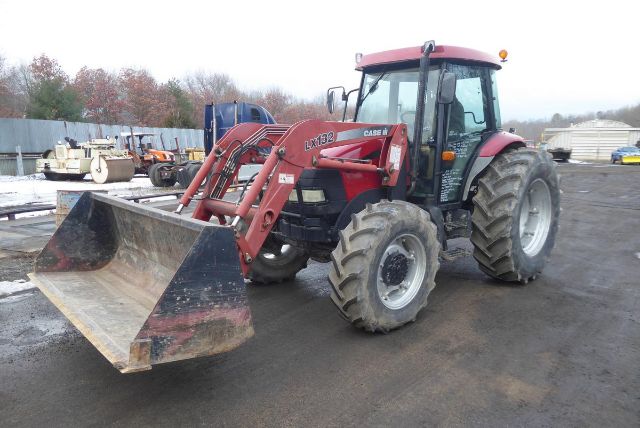
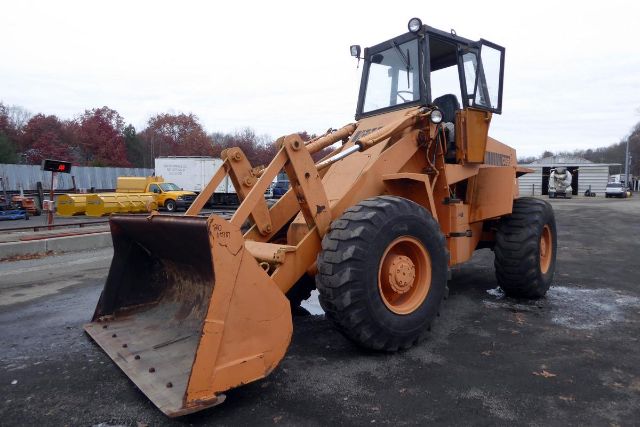
The right specification depends heavily on the job. A Case agricultural tractor may be set up with 4WD, a manual or power shuttle transmission, rear auxiliary hydraulics, a 3-point hitch, PTO capability, and a loader attachment for general-purpose work. A Case wheel loader is a different decision entirely, with focus placed on operating weight, bucket width and capacity, articulation, tire size, brake type, and pin-and-bushing condition. Engine design also matters. Older Case equipment often uses mechanical diesel engines that are straightforward to service, while attachment compatibility, hydraulic response, and cold-start behavior can make a major difference in daily usability, especially in New York conditions.
Condition should be evaluated by function, not paint. On loader-equipped tractors, check boom cylinders, bucket edge wear, steering response, front axle play, clutch engagement, and the performance of the 3-point hitch and auxiliary hydraulics. On wheel loaders, pay close attention to center pin wear, lift arm slack, bucket linkage movement, transmission engagement in forward and reverse, brake feel, and tire condition. Cab equipment can also affect value. Heat, defrost, wipers, lights, and working glass matter if the machine will be used through winter or in yard conditions where operator visibility is critical. Hour meters on older equipment are not always reliable, so overall wear pattern and maintenance history often tell the more accurate story.
For buyers comparing Case equipment listings, the best choice usually comes down to application, attachment setup, and parts support. A smaller Case tractor with loader can be a practical fit for property maintenance, light material movement, and seasonal support tasks. A heavier Case wheel loader is better suited for aggregate, salt, scrap, silage, or other high-cycle loading work. Common buying priorities include horsepower, 2WD versus 4WD, cab configuration, tire type, hydraulic capability, and transport dimensions. Case remains a well-known name because many of these machines are simple, durable, and still viable in secondary markets when bought with close attention to drivetrain condition, hydraulic performance, and overall structural wear.
Frequently Asked Questions about Case Equipment in New York
What types of trucking-related equipment are commonly sold under the Case brand?
Case equipment connected to trucking operations commonly includes agricultural tractors, wheel loaders, backhoes, and other support machines used for loading, yard work, snow removal, and site maintenance. These are not typically highway tractors, but they are often essential to fleet support operations, terminals, farms, and construction-oriented trucking businesses. The exact machine type matters because the buying criteria for a loader, tractor, or backhoe are very different.
What should I inspect first on used Case equipment?
Start with the drivetrain, hydraulics, and structural wear points. Verify that the engine starts cleanly, builds power properly, and does not show excessive blow-by or fluid contamination. Then check transmission engagement, steering response, brake performance, hydraulic cylinder leakage, and wear in pins, bushings, center pivots, and loader arms. Cosmetic condition is secondary compared with functional performance and evidence of consistent maintenance.
Is older Case equipment still a good value for commercial use?
Older Case machines can still be a strong value if the core components are sound and the machine matches the intended workload. Many older units use mechanical diesel engines and simpler hydraulic systems that are easier to diagnose and repair than more complex modern equipment. The key is to confirm parts availability, tire replacement cost, attachment condition, and the true operating condition of the transmission, axles, and hydraulics before purchase.
How do I choose between a Case tractor with loader and a Case wheel loader?
A Case tractor with loader is usually the better fit for mixed-use property work, towing, light lifting, mowing, grading, and PTO-driven applications. A Case wheel loader is better for repetitive loading cycles, bulk material handling, stockpile work, and heavier bucket use. Buyers should compare horsepower, operating weight, hydraulic capability, bucket size, turning radius, and travel speed based on the actual job the machine will perform.
Does cab condition matter on used Case equipment?
Cab condition affects both operator comfort and productivity, especially in cold-weather states like New York. Working heat, defrost, wipers, door seals, lights, and clear glass improve visibility and extend practical operating hours in snow, rain, and low-light yard conditions. An enclosed cab with non-functioning climate controls may still be usable, but it can lower value and increase the cost to put the machine into daily service.