
2004 Equipment For Sale in New York
Browse 2004 trucking equipment for sale in New York, including trailers, truck bodies, and vocational units built for fleet, farm, and jobsite use.
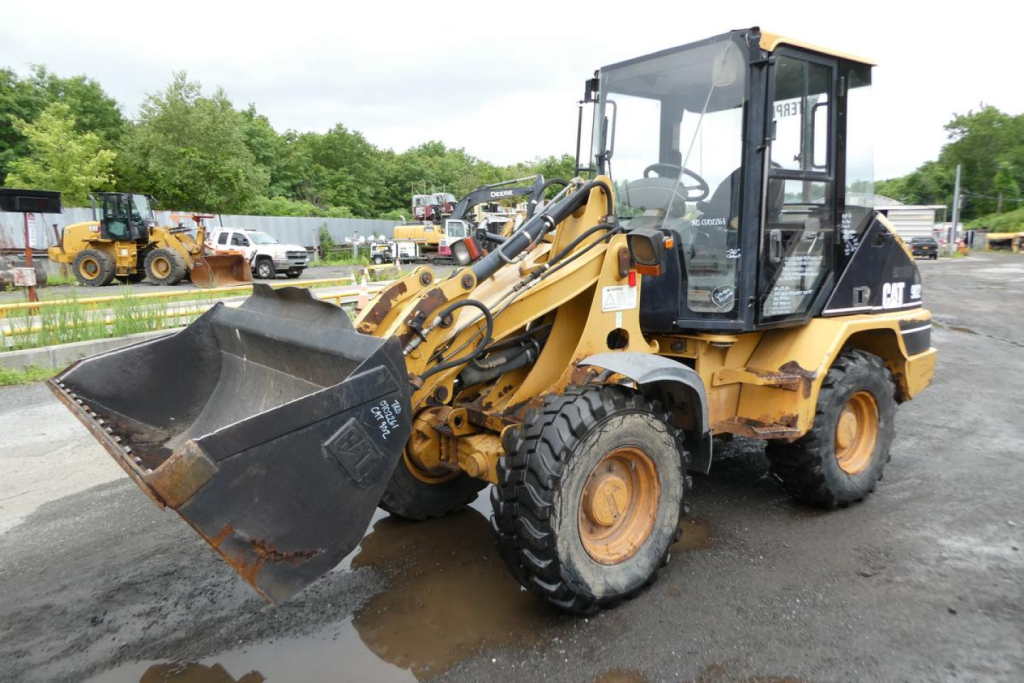
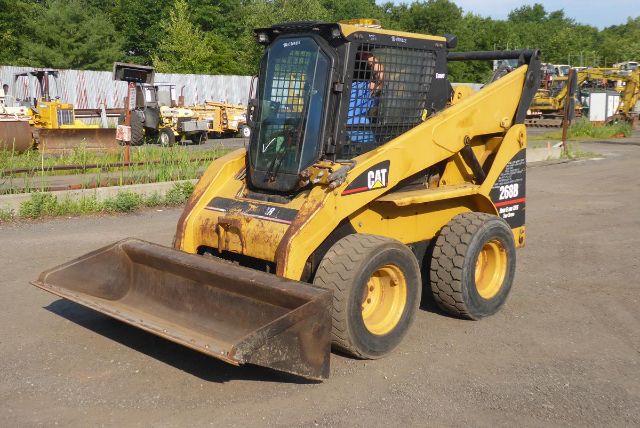
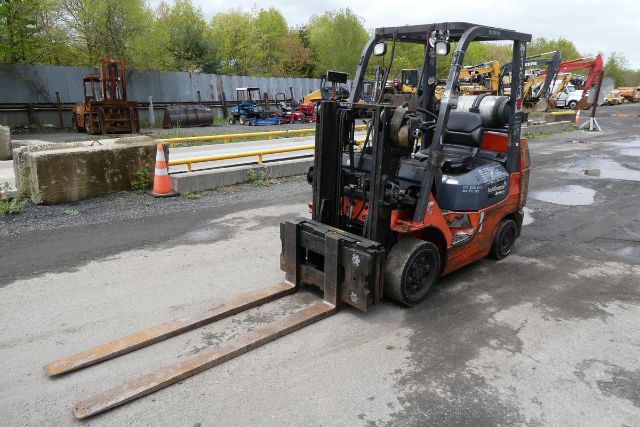
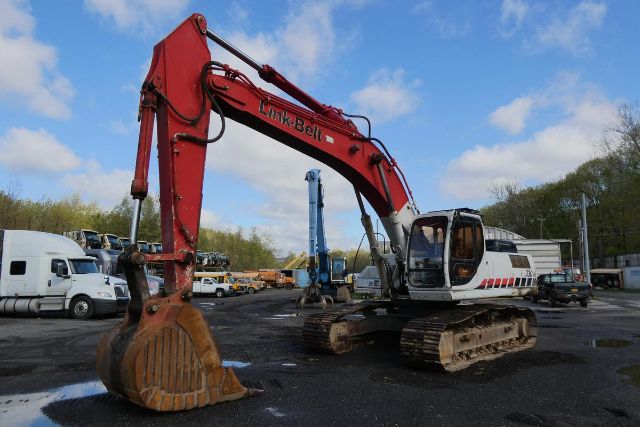
Selling a 2004 equipment? List your 2004 equipment for sale and reach thousands of commercial buyers.
2004 Equipment in New York
For trucks, pay close attention to engine family, transmission type, axle ratings, wheelbase, and brake configuration. Many 2004 trucks were built before the major emissions changes that arrived later in the decade, which appeals to buyers looking for simpler emissions systems and less electronic complexity. That said, age matters in components like wiring, air systems, suspension bushings, steering gear, and cooling systems. On trailers, inspect crossmembers, landing gear, floor condition, roof bows, door frames, slider operation, and signs of corrosion around the rails and rear structure. In New York, winter road treatment can accelerate rust, so underbody condition is a serious value factor.
Application should drive the buying decision. A 2004 day cab may still make sense for local delivery, port work, or short regional lanes where annual miles are controlled. A 2004 flatbed or drop deck can be a cost-effective option for steel, lumber, machinery, or agricultural loads if deck condition, tie-down points, and suspension are right. Older dry vans and reefers are often evaluated on door seal integrity, floor wear, and whether the trailer tracks straight under load. For vocational equipment, PTO function, hydraulic performance, body integrity, and evidence of frame modifications matter as much as the powertrain.
A serious buyer should look beyond cosmetic appearance and evaluate remaining service life. Tire date codes, brake lining percentage, air leaks, kingpin and fifth wheel wear, DOT inspection history, and any signs of accident repair tell more than fresh paint. If the equipment will operate in New York, verify registration class, axle spacing, bridge compliance, and body dimensions for the intended routes and job requirements. The best 2004 trucking equipment usually stands out for straightforward specs, parts support, and a maintenance history that shows it was worked, not neglected.
Frequently Asked Questions about 2004 Equipment in New York
Is 2004 trucking equipment too old for commercial use?
Not necessarily. A 2004 truck or trailer can still be commercially useful if its condition, maintenance history, and specifications match the intended application. Many buyers choose this age range for lower upfront cost and simpler mechanical systems, but they should expect to inspect frame condition, drivetrain wear, wiring, brakes, suspension, and corrosion more carefully than they would on newer equipment.
What should I inspect first on a 2004 used truck or trailer?
Start with the structural and high-cost items. On trucks, inspect the frame rails, engine condition, transmission operation, rear axle housings, suspension, steering, brakes, and cab rust. On trailers, focus on the frame, crossmembers, floor, roof, landing gear, suspension, and rear impact area. Service records, tire age, air leaks, and signs of poor repairs often reveal more about value than paint or appearance.
Are 2004 trucks attractive because of emissions differences?
Yes, for many buyers they are. A 2004 truck may predate later emissions systems that added complexity and operating cost, depending on the exact engine and build date. That can make certain 2004 units appealing for buyers who prefer simpler diesel platforms. The tradeoff is that age-related wear, parts condition, and legal operating requirements still need close review before purchase.
What types of 2004 trucking equipment are most commonly found?
This model year often includes highway tractors, day cabs, sleepers, dry vans, reefers, flatbeds, dump trucks, roll-off trucks, service trucks, and various vocational trailers. The available mix depends on region and industry use. In a market like New York, buyers often compare older regional haul equipment and vocational units that have been used in construction, municipal service, or local freight work.
Does location matter when buying 2004 trucking equipment in New York?
Yes. New York usage conditions can affect rust, electrical reliability, brake components, and underbody life because of winter weather and road salt exposure. Buyers should pay extra attention to frame corrosion, cab corners, floors, suspension mounts, brake lines, and trailer understructures. Location also matters for axle spacing, bridge law considerations, and the type of routes the equipment is expected to run.