
2004 Lifts - Fork For Sale in New York
Browse 2004 fork lifts for sale in New York. Compare lift capacity, mast type, fuel system, tires, forks, and warehouse-ready features.
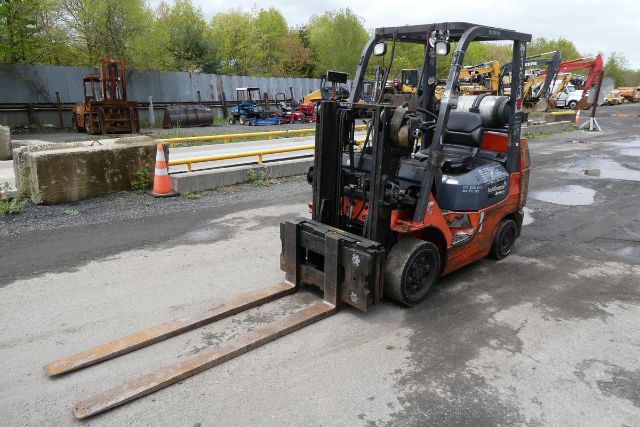
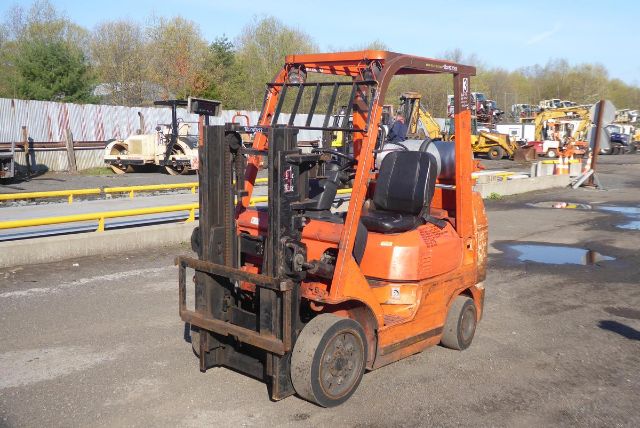
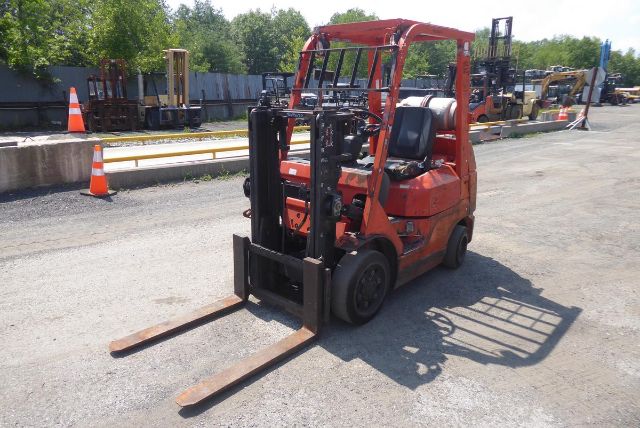
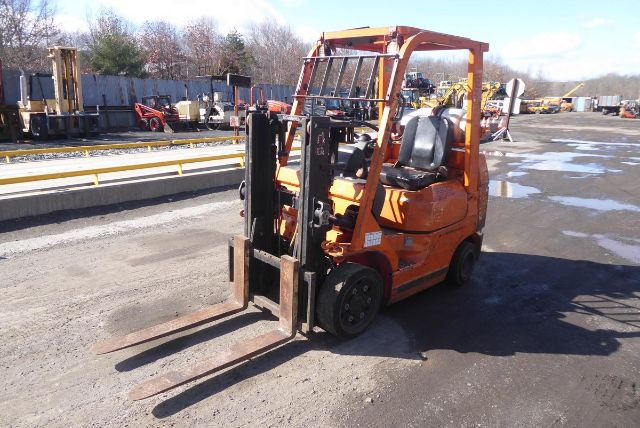
Have 2004 lifts - fork equipment to sell? List it here to reach thousands of buyers.
2004 Lifts - Fork in New York
The first buying decision is usually lift capacity versus load center. A forklift rated at 4,000 or 5,000 pounds may handle less once longer forks, side shift, fork positioners, clamps, or a tall mast are added. Buyers should look closely at the data plate, maximum lift height, collapsed mast height, and free lift if the machine will work inside trailers, containers, or low-clearance buildings. Two-stage and three-stage masts are common in this segment, and side shift is one of the most valuable options because it speeds pallet handling and reduces trailer contact. Fork length, carriage class, back tilt, and any signs of mast channel wear or cylinder seepage are worth checking before comparing price alone.
Powertrain and tire setup tell you where the machine fits best. LP gas forklifts are common because they refuel quickly and work well in warehouse and dock service, but buyers should verify regulator condition, starting quality, and whether the unit loads up or floods when shut down. Electric units can be a strong fit for indoor work if battery age, charger compatibility, and run time are acceptable. Diesel units are more common in heavier outdoor applications. Cushion tires are typical on smooth concrete and in tighter turning environments, while pneumatic tires are better for broken pavement, gravel, lumber yards, and uneven surfaces. On older lifts, service history matters more than paint. Hour meter accuracy, transmission engagement, steer axle play, brake response, lift and tilt speed, chain condition, and dry hydraulic cylinders all deserve a close inspection.
For a buyer comparing 2004 fork lifts, the best value usually comes from matching the truck to the real job instead of buying on rated capacity alone. A warehouse handling standard pallets may need a compact 5,000-pound cushion-tire unit with side shift and an 80-inch collapsed height. A fabrication shop or building supply operation may need more fork length, pneumatic tires, and a higher-capacity chassis. Parts support is still strong for many established brands, but older forklifts should be evaluated as working assets, not just low-cost equipment. If the mast, hydraulics, transmission, cooling system, and fuel system are sound, a 2004 forklift can still deliver solid service in shipping, receiving, manufacturing, warehousing, agriculture, and municipal applications.
Frequently Asked Questions about 2004 Lifts - Fork in New York
What should I check first on a used 2004 fork lift?
Start with the data plate, actual lift capacity, mast type, and overall hydraulic condition. Then inspect for chain wear, mast rail damage, cylinder leaks, steer axle looseness, brake performance, transmission engagement, and cold-start behavior. On an older forklift, a strong mast and hydraulic system usually matter more than cosmetics, because those are the components that directly affect safe lifting and daily uptime.
Is a propane fork lift a good choice for warehouse work?
A propane forklift is often a good fit for warehouse and dock use because refueling is fast and the machines typically offer good run time and consistent power. The main checks are fuel system condition, regulator function, clean starting, and proper shutdown behavior. Buyers should also confirm that the propane tank bracket, lines, and fittings are in safe operating condition and that the engine does not run rich, flood, or hesitate under load.
How do I choose the right mast for a fork lift?
Choose the mast based on both maximum lift height and lowered height. A forklift may need enough lift to stack racking while still collapsing low enough to enter trailers, pass through doors, or clear low beams. Free lift is important in trailers and containers because it lets the forks rise before the mast extends upward. Side shift is highly desirable with any mast because it improves pallet placement and reduces handling time.
What is the difference between cushion tires and pneumatic tires on a fork lift?
Cushion tires are best for smooth indoor concrete, tighter aisles, and dock work where compact dimensions and a smaller turning radius are important. Pneumatic tires are better for outdoor yards, rough pavement, gravel, and mixed-surface use because they provide better ground clearance and a smoother ride. The right tire type affects stability, traction, operator comfort, and how well the machine fits your facility.
Can a 2004 fork lift still be a reliable buy?
Yes, if it has been maintained and the major systems are sound. Many older forklifts remain productive because their basic design is durable and parts support is still available for major brands. Reliability depends less on age alone and more on service history, actual hours, hydraulic condition, cooling system health, transmission performance, and whether the forklift has been matched to the correct application throughout its life.