
2004 Lifts - Fork For Sale
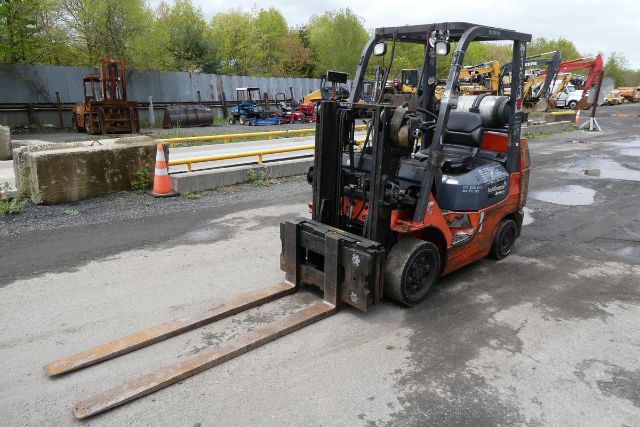
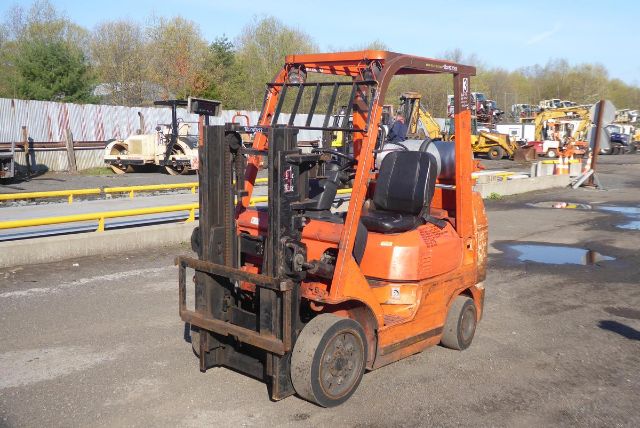
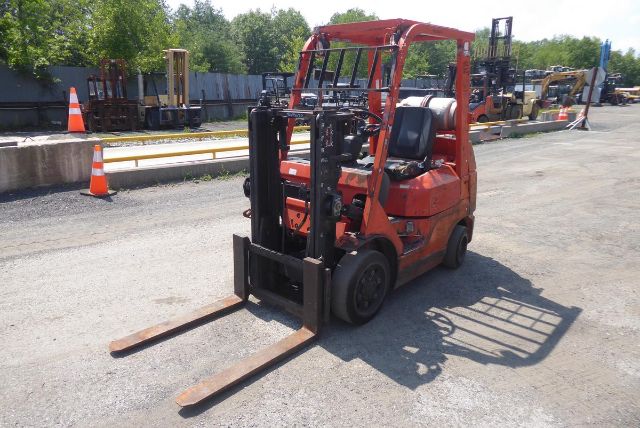
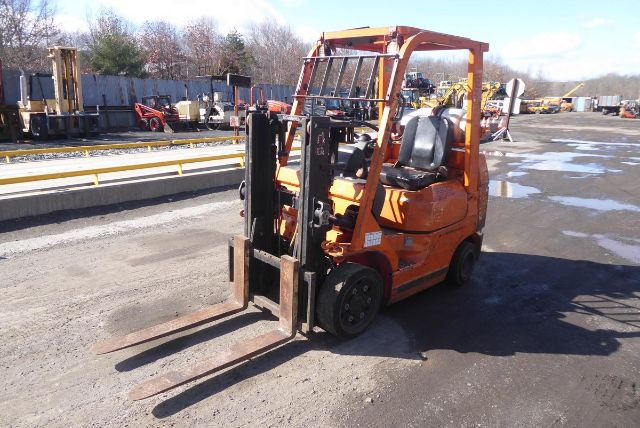
Browse 2004 fork lifts for sale, including warehouse-ready LPG forklifts with common 3,800 to 5,000 lb capacities and side shift options.
Have 2004 lifts - fork equipment to sell? List it here to reach thousands of buyers.
2004 Lifts - Fork
The first decision is usually fuel type, tire type, and mast setup. Many 2004 units in this category are propane-powered, which remains popular for fast refueling, consistent run time, and strong suitability for multi-shift use. Cushion tires are common on warehouse forklifts from this period and work best on smooth concrete or asphalt, not rough yards. Mast configuration matters just as much as rated capacity. Dual mast and double mast setups are typical, and buyers should confirm lowered height, maximum lift height, and free lift if the truck will work inside trailers, under low door openings, or in racking. Side shift is a valuable option because it speeds pallet placement and reduces steering correction in tight aisles.
On older fork lifts, condition matters more than brand decal. Hour meter readings can be high on 2004 models, so focus on mast wear, carriage condition, fork thickness, chain stretch, steer axle play, hydraulic cylinder leaks, transmission engagement, and cold-start behavior. A machine may still be productive with high hours if the hydraulic system is dry, the transmission shifts cleanly from forward to reverse, and the engine runs smoothly under load. Buyers should also verify whether forks are included, since fork length and thickness directly affect usability. Common fork lengths can range from standard pallet forks to longer specialty forks for deeper loads or unique dock work.
For a buyer comparing 2004 forklifts for sale, the best value usually comes from matching the truck to the floor, load, and clearance limits of the job. A 4,000 to 5,000 pound LPG forklift with side shift, solid tires, and a compact warehouse mast is often a strong fit for freight terminals, pallet distributors, building supply operations, and general industrial use. Toyota and Doosan are common names in this segment, and parts support is typically better when the model has broad fleet use. Before purchase, confirm data plate capacity at the actual load center, inspect tire wear and mast rollers, and make sure the unit's dimensions, attachment setup, and fuel system align with the work it will do every day.
Frequently Asked Questions about 2004 Lifts - Fork
What is a typical lifting capacity for a 2004 fork lift?
Many 2004 forklifts in this class are rated between about 3,800 and 5,000 pounds, which covers standard palletized freight, warehouse product movement, and dock loading. The exact usable capacity depends on the load center, mast height, and any attachment installed. Buyers should always verify the data plate rather than relying only on the model family or a seller's description.
Are 2004 propane forklifts still a good choice for warehouse use?
A 2004 propane forklift can still be a good warehouse truck if it has been maintained and the application fits the machine. LPG units are popular because they refuel quickly, perform consistently through long shifts, and are well suited to paved indoor-outdoor operations. The main concern on an older truck is mechanical condition, especially engine smoothness, transmission response, hydraulic performance, and mast wear.
What should I inspect first on an older used forklift?
Start with the mast, chains, carriage, forks, hydraulics, and transmission because those areas drive both safety and repair cost. Check for cylinder leaks, jerky lift or tilt operation, chain stretch, uneven fork wear, steer axle looseness, and hard shifting between forward and reverse. Also confirm the hour meter, tires, overhead guard clearance, and whether the machine starts easily and runs cleanly under load.
Why does mast height matter so much on a fork lift?
Mast height affects both clearance and productivity. Lowered mast height determines whether the forklift can enter trailers, pass through door openings, or work in low-clearance buildings. Maximum lift height and free lift determine how efficiently the truck can place loads in racking or stack pallets in confined spaces. A forklift with the wrong mast can be a poor fit even if its capacity is otherwise correct.
What is the difference between cushion tires and pneumatic tires on a forklift?
Cushion tires are typically found on warehouse forklifts and are best for smooth, hard surfaces such as concrete floors and paved docks. They keep the truck compact and maneuverable, which is important in tight aisles and trailer work. Pneumatic tires are better for rougher outdoor terrain, broken pavement, and yard conditions where additional traction and ground clearance are needed.