
2004 Equipment For Sale
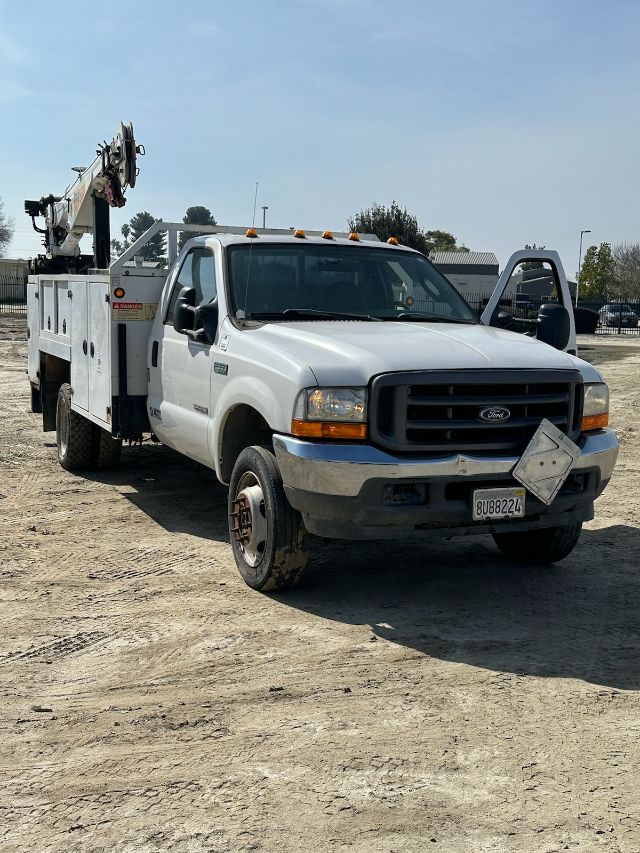
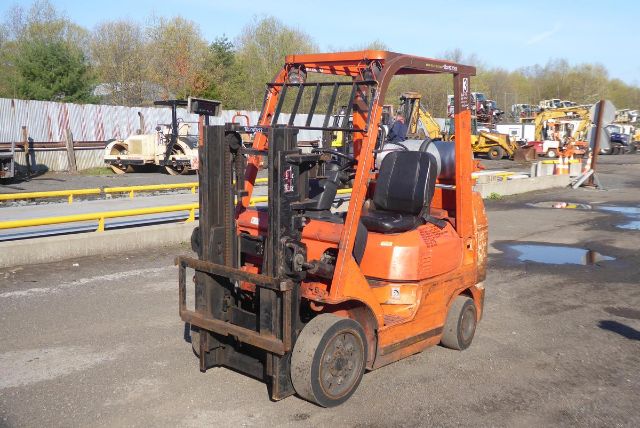
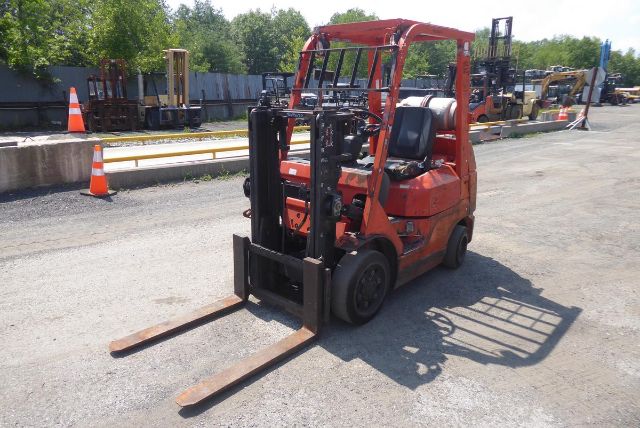
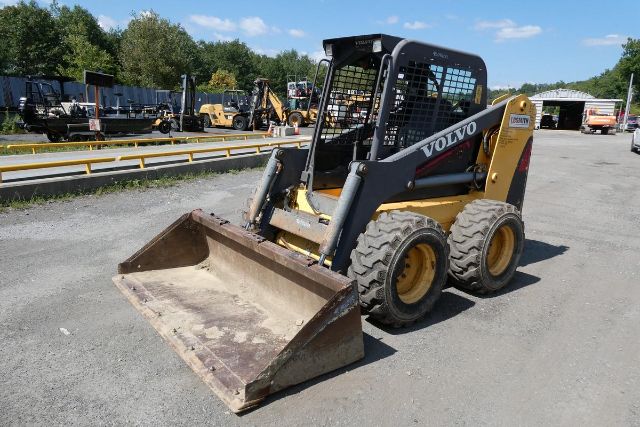
Browse 2004 trucking equipment for sale, including trailers, bodies, liftgates, forklifts, and support equipment built for fleet, freight, and yard use.
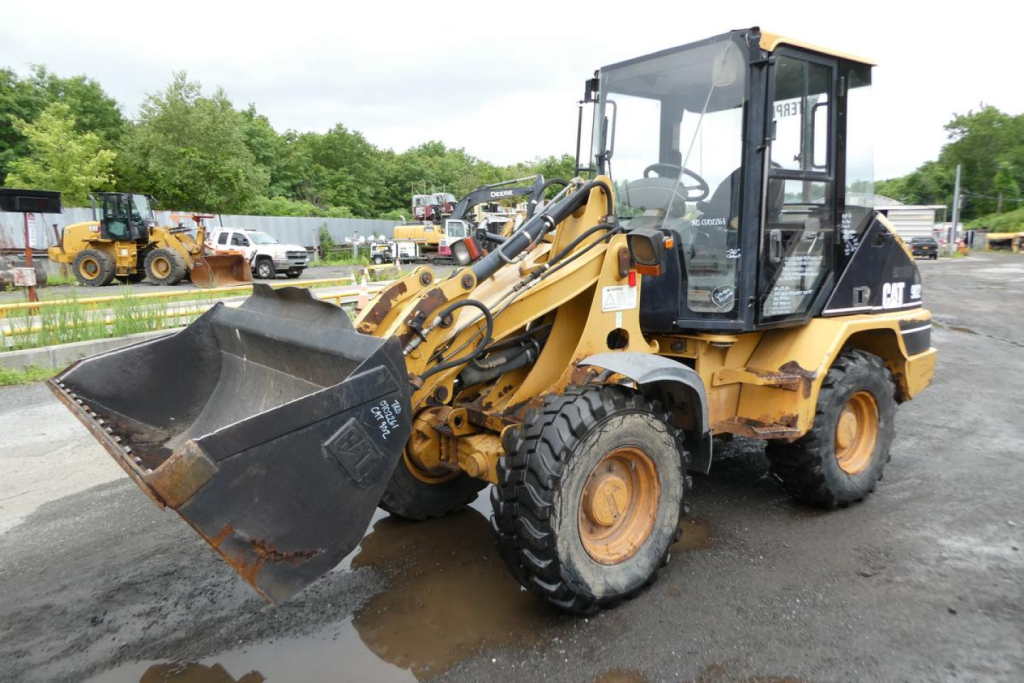
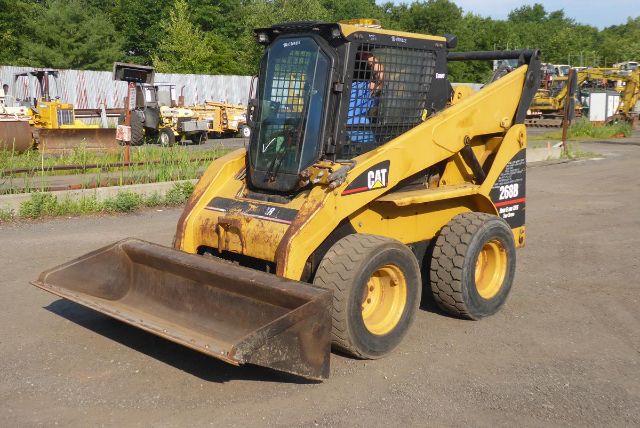
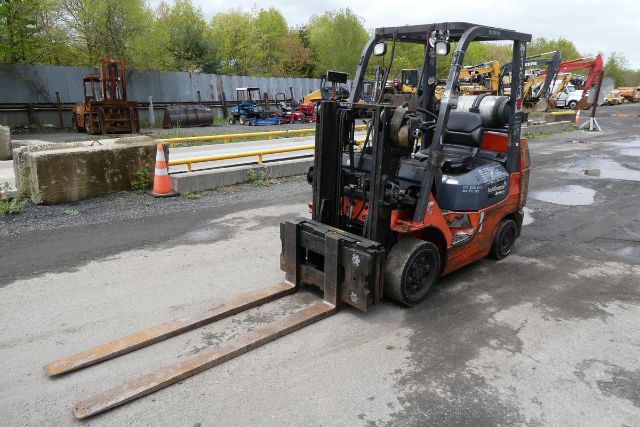
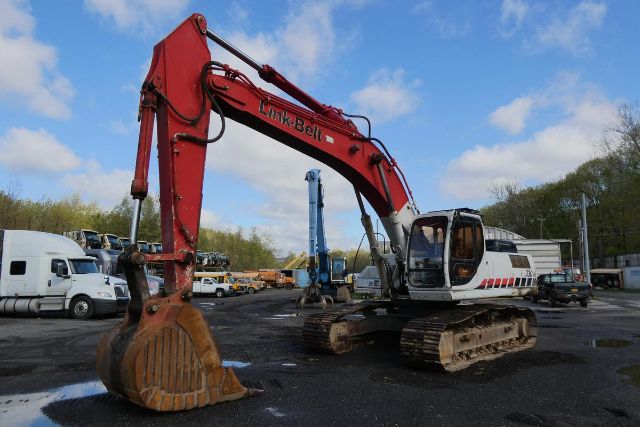
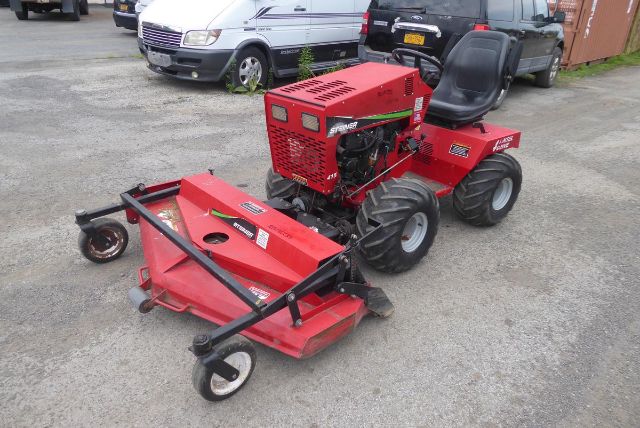
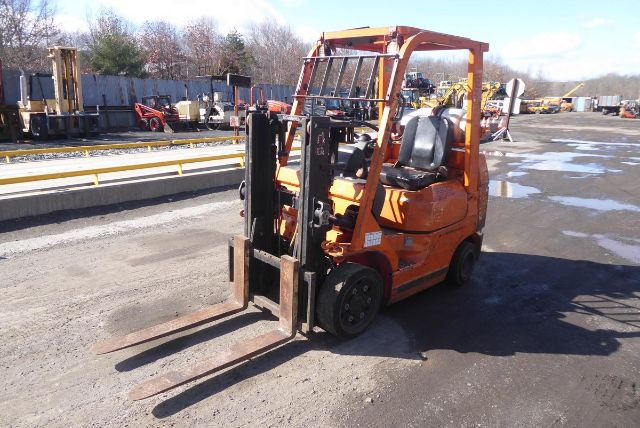
Selling a 2004 equipment? List your 2004 equipment for sale and reach thousands of commercial buyers.
2004 Equipment
If the equipment uses hydraulics, inspect it closely. Look for dry cylinders, smooth lift and lower function, even mast travel, proper side shift operation, and minimal play in pins and bushings. On forklifts and material handling units, rated lift capacity, mast type, loading height, fork length, tire type, and fuel source should match the job. Electric units can be a good fit for indoor warehouse use if battery age, charger compatibility, and shift runtime are acceptable. Diesel and LP forklifts are more common for outdoor work, rougher surfaces, and higher utilization. For scissor lifts and similar access equipment, platform height, platform extension, weight rating, drive function, and battery or hydraulic condition are key checkpoints.
Buyers shopping 2004 trucking equipment should also think about supportability and transport logistics. Older machines can be very economical, but only if common service items like filters, seals, brakes, starters, mast rollers, tires, and electrical components are still available through the OEM or aftermarket. Check serial tags, operating hours, and any signs of frame repairs or weld work. Overall dimensions, operating weight, and tire setup matter if the equipment will be hauled on a trailer, moved between branches, or used on sensitive concrete floors. Open operator stations may be acceptable for seasonal yard use, while enclosed cabs are better for all-weather work.
The best 2004 trucking equipment purchase is usually the one with the clearest fit for the application and the fewest hidden reconditioning costs. A lower-priced machine can become expensive if it needs a battery pack, mast work, hydraulic resealing, or major tire replacement immediately after purchase. Compare lift height, capacity, drivetrain, hours, and attachment setup against the work you actually need done. If the machine will support daily loading, unloading, stacking, or facility maintenance, prioritize reliability and service access over cosmetic appearance. Older commercial equipment still has value when it is mechanically honest, correctly sized, and practical to keep running.
Frequently Asked Questions about 2004 Equipment
What should I check first when buying 2004 trucking equipment?
Start with the major systems that are expensive to repair: engine or drive motor, transmission or drive unit, hydraulics, frame condition, and any mast, boom, or lift structure. On older equipment, hour meter readings help, but actual wear is more important. Check for hydraulic leaks, excessive pin and bushing play, rough starts, charging issues, brake response, tire wear, and signs of welding or structural repairs. A machine with average cosmetics and strong mechanical condition is usually a better buy than a cleaner-looking unit with hidden repair needs.
Is 2004 trucking equipment too old for daily commercial use?
Not necessarily. Many 2004 machines are still viable for daily use if they were maintained properly and the application is appropriate. Simpler diesel, LP, and hydraulic systems can remain dependable for years, especially on equipment with strong parts support. The real question is not just age, but whether the unit has documented maintenance, reasonable hours, solid structural condition, and no immediate high-cost repair needs. For lighter-duty or backup use, older equipment can be especially cost-effective.
Are parts still available for 2004 forklifts, lifts, and support equipment?
Parts availability depends on the make, model, and engine or electrical system used. Common brands usually have decent aftermarket support for wear items such as filters, brakes, tires, seals, hoses, rollers, switches, and tune-up parts. Battery packs, control modules, and some cab or body components can be harder to source on older units. Before buying, verify the serial number, confirm OEM support status, and check aftermarket suppliers for common service parts. Parts support can make the difference between a low-cost asset and a machine that sits idle.
How do I decide between electric, diesel, and propane equipment in this age range?
Match the power source to the jobsite and duty cycle. Electric equipment is often preferred indoors because it has no engine exhaust and typically lower routine service needs, but battery condition is critical on older units. Diesel is usually the better choice for outdoor use, rougher terrain, and heavier sustained workloads. Propane offers a middle ground for many warehouse and yard applications where fast refueling and cleaner operation matter. On any 2004 unit, inspect the power system closely because replacement batteries, fuel-system repairs, and emissions-related fixes can change the total cost quickly.
Why do hours matter less than condition on older trucking equipment?
Hours are useful, but they do not tell the full story on a machine that may have changed owners, jobsites, or maintenance standards over time. Two units with similar hours can have very different remaining life depending on operator care, storage conditions, and preventive maintenance. Hydraulic smoothness, cold-start behavior, steering response, tire condition, fork or platform wear, and structural integrity usually give a better picture of real value. On older equipment, a careful inspection is more reliable than relying on the hour meter alone.