
1993 Equipment For Sale in New York
Browse 1993 trucking equipment for sale in New York, including trailers, truck bodies, and vocational units built for hauling and jobsite work.
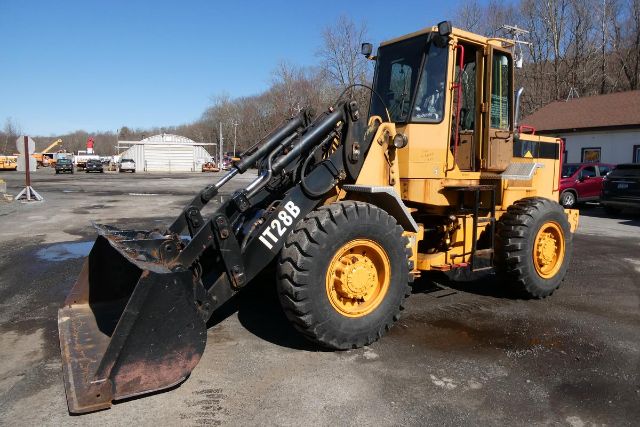
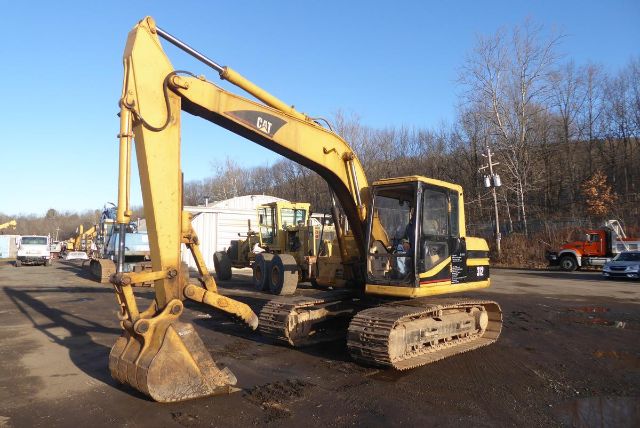
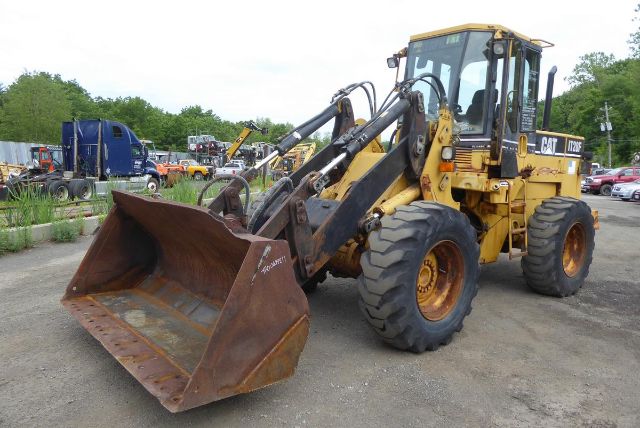
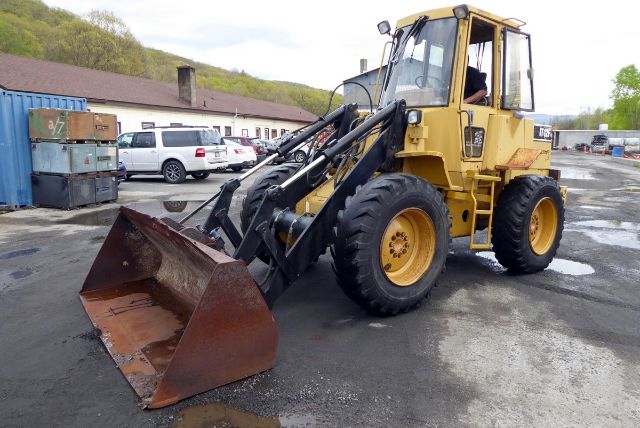
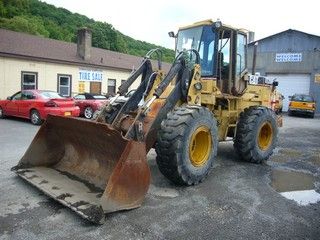
Selling a 1993 equipment? List your 1993 equipment for sale and reach thousands of commercial buyers.
1993 Equipment in New York
In New York, age and environment matter. Salt exposure, freeze-thaw cycles, and seasonal storage conditions can have a bigger impact than odometer or hour readings alone. On older trucking equipment, inspect crossmembers, landing gear mounts, spring hangers, subframes, floor structure, wiring, air lines, and any rust around welds or stress points. If the category includes trailers, pay close attention to axle alignment, brake chamber condition, wheel-end service history, kingpin wear, and the condition of the floor and doors. If it includes vocational bodies or mounted equipment, look closely at PTO operation, hydraulic leaks, hoist performance, cylinder pitting, and signs of prior repairs.
Specification choices on 1993 equipment tend to be straightforward, which is a benefit for many fleets and owner-operators. Mechanical suspensions, drum brakes, spring ride setups, basic hydraulic systems, and less complicated lighting and control circuits are common on older units. That can make troubleshooting easier, but it also means a buyer should budget for updates such as tires, hoses, bushings, brake components, lights, or wiring cleanup. Compatibility is another practical check. Make sure the equipment matches your truck, application, and legal requirements, including hitch type, GVWR or payload expectations, axle ratings, overall dimensions, and registration or inspection standards in your operating area.
For buyers comparing multiple 1993 trucking equipment listings, the best value usually comes from condition and configuration, not just price. A clean older unit with documented maintenance, solid rubber or good tires where applicable, dry cylinders, straight structure, and working brakes can outperform a cheaper piece that needs immediate reconditioning. Ask about recent service, prior fleet use, indoor storage, and any components that have already been replaced. On equipment from this era, a thorough inspection is what separates a dependable low-cost asset from a project.
Frequently Asked Questions about 1993 Equipment in New York
What should I inspect first on 1993 trucking equipment?
Start with the structure and running gear. On older trucking equipment, frame rails, crossmembers, suspension mounting points, axles, brakes, wiring, and hydraulic components usually tell the real story. Surface rust is common, but scaling, soft spots, cracked welds, and uneven tire wear can point to expensive repairs. If the equipment has moving systems such as lifts, hoists, or PTO-driven hydraulics, verify that everything cycles correctly under load and check for leaks, weak pressure, or damaged hoses.
Is 1993 trucking equipment still practical for commercial use?
It can be, if the equipment is matched to the application and maintained properly. Many buyers use older trucking equipment for seasonal work, farm support, local hauling, storage, or jobsite duties where low purchase cost matters more than the latest features. Practical use depends on condition, parts support, and compliance with your state inspection, registration, and operating requirements. Older equipment can be a cost-effective choice when downtime risk and repair planning are built into the purchase decision.
How does New York climate affect older trucking equipment?
New York conditions can be hard on older equipment because road salt, moisture, and winter temperature swings accelerate corrosion. Rust around the understructure, brake hardware, electrical connections, floor supports, and body mounts is a common concern. Buyers should inspect underneath as carefully as they inspect the visible exterior. Equipment that was stored indoors or used lightly during winter often shows a big difference in long-term condition.
Are parts harder to find for 1993 trucking equipment?
Parts availability depends on the type of equipment and the components used, not just the year. Common brake parts, bearings, seals, lights, suspension items, hydraulic hoses, and generic electrical components are often still available through aftermarket suppliers. The harder items are usually model-specific structural pieces, older control components, or discontinued body parts. Before buying, confirm support for the axles, suspension, hydraulic pumps, cylinders, and any specialty hardware the unit depends on.
What makes one 1993 equipment listing a better value than another?
The best value is usually the unit that needs the least immediate reconditioning. Buyers should weigh condition, service history, tire and brake life, structural soundness, and component operation more heavily than asking price alone. A higher-priced unit with straight structure, good maintenance records, working lights and brakes, and no major hydraulic or rust issues can be far less expensive to own than a cheaper unit that needs extensive shop time right away.