
1993 Equipment For Sale
Shop 1993 trucking equipment for sale, including trailers, forklifts, service units, and support equipment with specs that fit real fleet needs.
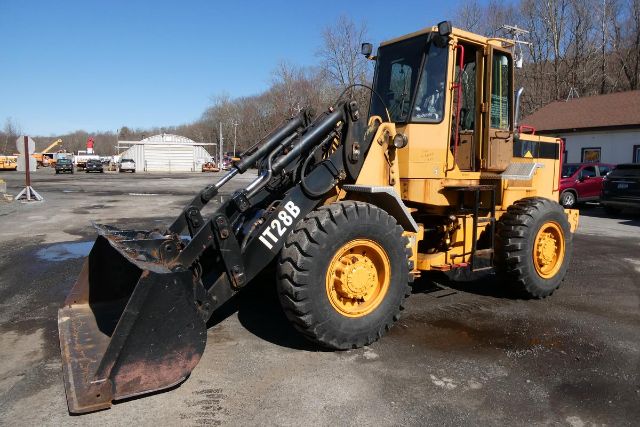
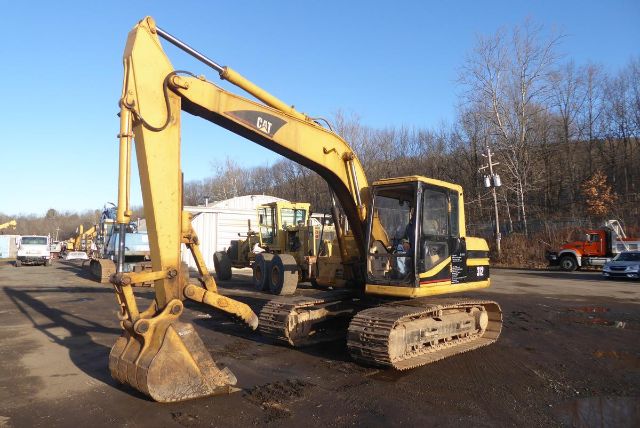
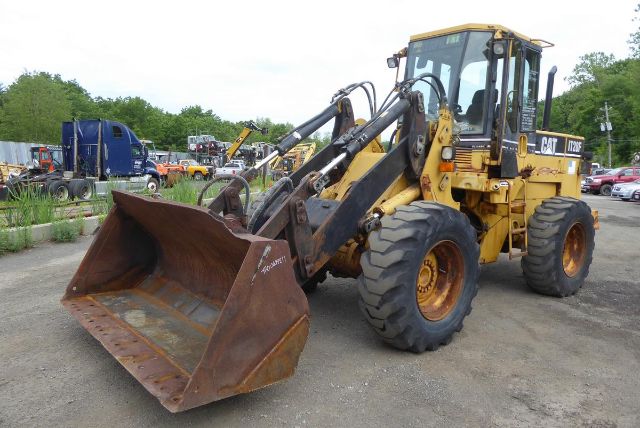
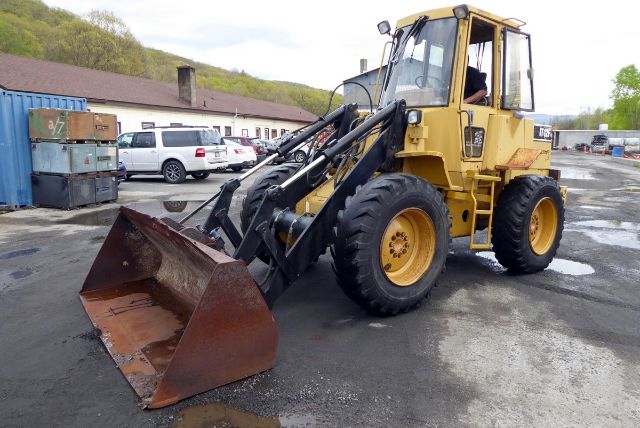
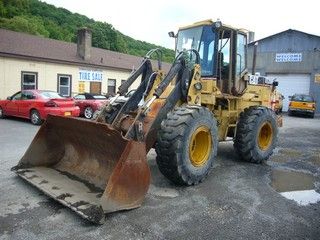
Selling a 1993 equipment? List your 1993 equipment for sale and reach thousands of commercial buyers.
1993 Equipment
For this age range, buyers should pay close attention to powertrain type, hydraulic performance, structural wear, and brake or tire condition. On equipment with engines, common checkpoints include cold-start behavior, smoke, blow-by, fluid leaks, charging system output, and signs of deferred maintenance. On hydraulic machines, inspect mast operation, lift speed, cylinder seals, hose routing, and side shift or tilt functions if equipped. On trailers or towable support equipment, look closely at frame corrosion, suspension wear, lighting, coupler condition, axle ratings, and whether running gear matches the intended payload. Older units often appeal because they are mechanically straightforward, but that also means condition varies widely from one piece to the next.
Compatibility matters just as much as condition. Buyers should confirm dimensions, lift capacity, GVWR or payload ratings, overall width, loading height, power source, and tire type before comparing units. For example, a forklift or yard handling unit may be available in propane, diesel, or gas configuration, with cushion or pneumatic tires depending on indoor or outdoor use. Support equipment such as generators, light towers, or specialty towables should be matched to outlet configuration, runtime, and transport requirements. If the equipment will support a truck fleet, think through how it fits the yard layout, dock height, trailer deck height, maintenance workflow, and parts availability in your region.
A 1993 trucking equipment listing can be a practical buy when the machine is honest, serviceable, and suited to a narrow job description. Many buyers target this category for backup duty, seasonal use, property maintenance, export, or lower-hour local work where return on investment is driven by utility, not resale prestige. The smartest comparisons focus on service records, wear points, operating hours if available, and how easily the equipment can be kept working with current tires, filters, seals, and common replacement parts.
Frequently Asked Questions about 1993 Equipment
What should I inspect first on 1993 trucking equipment?
Start with the major systems that determine whether the equipment can go straight to work or will need immediate repair. That usually means the engine or power source, transmission or drive system, hydraulics if equipped, brakes, steering components, tires, and structural condition. Check for fluid leaks, excessive rust, cracked welds, hard starting, weak charging output, and signs of neglected maintenance. On older equipment, a clean visual inspection and a functional test often tell more than the model year.
Is 1993 trucking equipment still practical for commercial use?
It can be, but practicality depends on the job. Older equipment is often best suited for yard duty, farm use, municipal work, backup service, or low-mileage and low-hour applications where mechanical simplicity is an advantage. Buyers should verify current safety requirements, emissions rules where applicable, and parts support before putting a 1993 unit into regular commercial service. If the machine is structurally sound and the core systems are healthy, it can still provide solid value.
How do I compare older equipment when hours or mileage may not tell the full story?
On equipment of this age, condition usually outweighs meter readings because hour meters and odometers may have rolled over, been replaced, or stopped working. Compare maintenance records, wear at pedals and controls, steering play, brake feel, cylinder condition, tire age, and the general consistency between the stated use and the machine's physical wear. A lower reading is only meaningful if the overall condition supports it.
Are parts still available for 1993 trucking equipment?
Parts availability varies by manufacturer, engine family, and equipment type. Common filters, belts, hoses, seals, brake parts, tires, and electrical components are often still obtainable, especially for widely used industrial engines and standard running gear. The harder items to source are typically brand-specific body parts, control modules, mast components, and obsolete trim or cab pieces. Before buying, confirm support for the exact make and model through dealers, aftermarket suppliers, and salvage channels.
What makes a 1993 equipment unit a good value buy?
A good value unit is one that matches a specific job, shows consistent maintenance, and does not need major structural or hydraulic repair right away. Buyers usually get the best value from equipment with straightforward mechanical systems, common tire sizes, readily available service parts, and no major mismatch between capacity and intended use. Low purchase price alone does not make it a bargain if it needs mast work, engine repair, axle service, or extensive rewiring as soon as it arrives.