
1993 Wheel Loaders For Sale
Shop 1993 wheel loaders and compare operating weight, bucket size, quick couplers, tire size, cab style, and drivetrain condition.
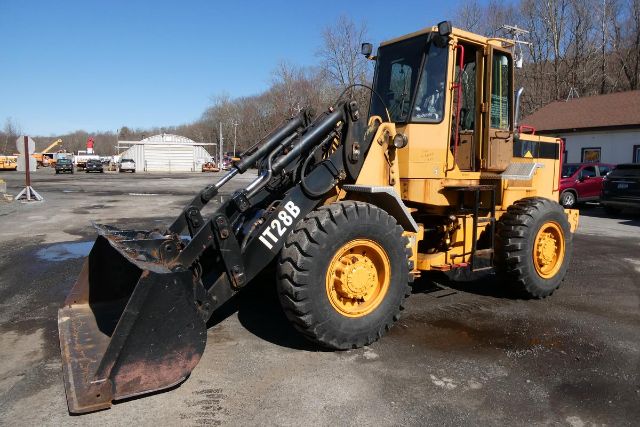
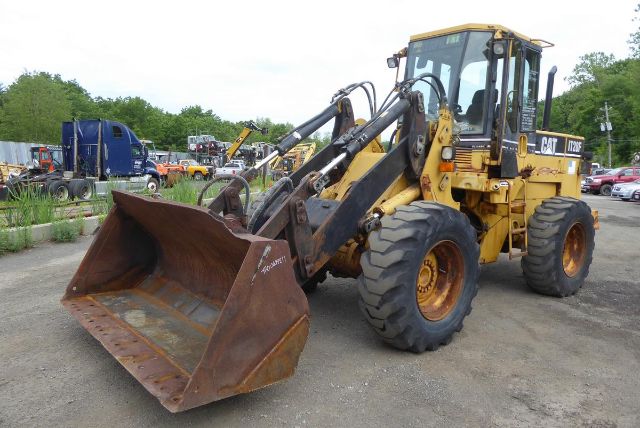
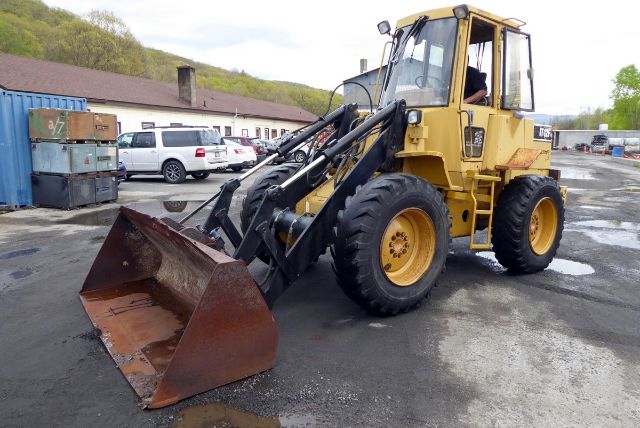
Selling a 1993 wheel loaders? List your 1993 wheel loaders for sale and reach thousands of commercial buyers.
1993 Wheel Loaders
Frequently Asked Questions about 1993 Wheel Loaders
What should I inspect first on a 1993 wheel loader?
Start with the expensive systems: engine, transmission, axles, hydraulics, and brakes. Check for hard starting, blow-by, cooling system pressure, transmission engagement in every gear, axle noise under load, weak lift or curl functions, and seepage at cylinders, pumps, and hoses. On older wheel loaders, articulation pins, center joint wear, bucket pins and bushings, steering cylinder condition, and brake performance can change the value of the machine quickly because repairs in those areas add up fast.
Are 1993 wheel loaders still good for everyday work?
They can be, provided the machine matches the job and has been maintained. A 1993 wheel loader is often well-suited for loading aggregate, handling manure, feeding plants, moving pallets with forks, cleaning yards, snow work, and general property maintenance. For high-hour production environments, the key is to confirm that cycle times, hydraulic breakout, steering response, and transmission shift quality are still acceptable for the workload.
What size 1993 wheel loader is most common?
Many buyers in this year range look at small to mid-size machines. That usually means operating weights from roughly 17,000 to 25,000 pounds, bucket widths around 7.5 to 9 feet, and engines in the roughly 100 to 150 horsepower class. These machines are large enough for material handling and truck loading in lighter-duty applications, but still compact enough for farm lanes, yards, and tighter job sites.
Why is a quick coupler important on an older wheel loader?
A hydraulic quick coupler adds flexibility and can make an older machine much more useful. It allows the operator to switch between a general-purpose bucket, forks, material bucket, or other attachment with less downtime. On a 1993 wheel loader, that feature can increase jobsite value because one machine may cover loading, stacking, pallet handling, and cleanup work without needing a dedicated unit for each task.
What wear items affect value the most on a used wheel loader from this era?
Tires, cutting edges, bucket condition, pins and bushings, brake components, and cab condition all matter, but drivetrain and hydraulic condition usually matter most. Tires in sizes like 17.5-25 or 20.5-25 are a major replacement cost. Worn bucket floors, plated buckets, loose linkage, leaking cylinders, non-working gauges, and inoperative brakes can signal deferred maintenance. A machine that runs well, shifts correctly, steers tightly, and has usable rubber will typically be the stronger buy even if it shows cosmetic wear.