
1993 Wheel Loaders For Sale in New York
Shop 1993 wheel loaders for material handling, snow, aggregate, and yard work. Compare size, bucket setup, tire condition, and drivetrain.
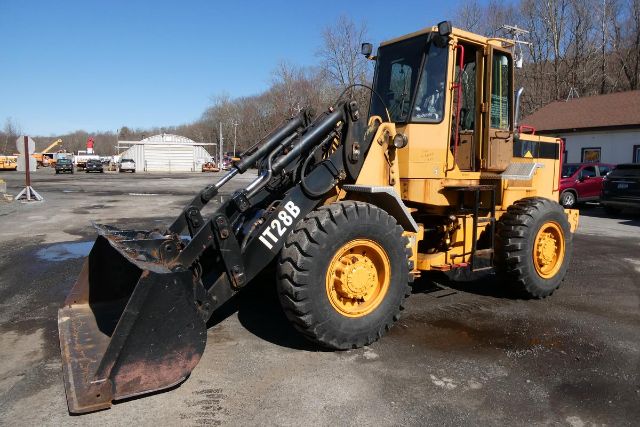
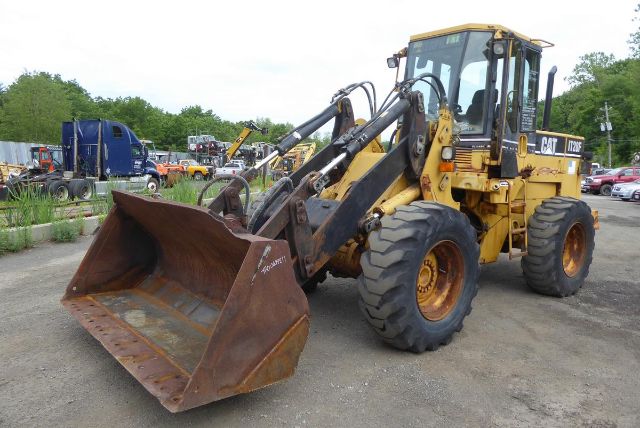
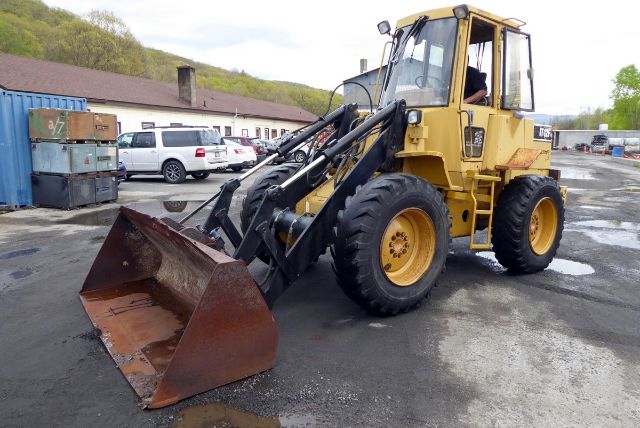
Selling a 1993 wheel loaders? List your 1993 wheel loaders for sale and reach thousands of commercial buyers.
1993 Wheel Loaders in New York
Size is the first buying decision. A smaller loader in the roughly 17,000 to 18,000 lb class with a 1.5 to 2.0 cubic yard bucket fits tighter yards, landscape supply, and property maintenance work. Step up into the 23,000 lb range and above, and you gain more breakout force, more stable lifting, and better performance in aggregate, dirt, salt, and demolition debris. Tire size, bucket width, and overall machine width matter if the loader will work in enclosed buildings, transfer stations, or snow routes with narrow access. Quick couplers are especially valuable on older wheel loaders because they let one machine switch between a general-purpose bucket, forks, snow pusher, or specialty attachment without giving up much time.
Condition details are critical on a 1993 loader. Watch for seepage at steer cylinders, transmission leaks, cooling system pressure, weak brakes, and play in boom pins, bucket pins, and center articulation. Those issues are common wear points and they directly affect safety, precision, and future repair cost. Tire replacement can be a major expense on any loader, so matching tire type to the job is important. Pneumatic tires are common for mixed yard and travel use, while solid tires can make sense in scrap and puncture-prone applications. An enclosed ROPS cab, working heat, and good visibility are important in New York winters, and ride control is a plus if the machine carries loads across rough yards or paved lots at speed.
Older wheel loaders are often described as integrated toolcarriers, front-end loaders, or simply payloaders, though toolcarrier models may have different linkage and attachment versatility than a conventional loader setup. Buyers comparing 1993 machines should confirm operating weight, horsepower, transmission type, bucket capacity, lift linkage style, coupler type, and parts support before making a decision. A loader from this period can still be a strong value when the engine starts clean, the transmission engages properly in every gear, the hydraulics are smooth under load, and the articulation and brake systems are sound. For many operations, that combination matters more than paint, decals, or low-hour claims alone.
Frequently Asked Questions about 1993 Wheel Loaders in New York
What should I inspect first on a 1993 wheel loader?
Start with the engine, transmission, brakes, hydraulics, and articulation joint. On a machine from 1993, buyers should expect normal cosmetic wear, but functional problems in those core systems can quickly turn a low-cost purchase into a high-cost repair. Check for hard starting, blow-by, cooling system pressure, delayed gear engagement, weak brakes, cylinder leaks, and looseness in the center pins and bucket linkage. Tire condition also deserves close attention because loader tires are expensive and heavily affect operating cost.
Are 1993 wheel loaders still practical for daily work?
Yes, many are still practical for daily work if they have been maintained and matched to the right application. Older loaders are often used for snow removal, yard loading, mulch and topsoil handling, farm use, recycling, and light aggregate work. Their main advantage is mechanical simplicity, especially on pre-emissions diesel engines and less complex drivetrains. The tradeoff is that buyers need to be more careful about wear in pins, bushings, brakes, cooling systems, and transmissions than they would on a newer machine.
What size 1993 wheel loader is best for a small yard or landscape supply operation?
A smaller loader in the roughly 17,000 to 18,000 lb range is often a good fit for landscape supply, pallet handling with forks, snow work, and confined material yards. Machines in this class are easier to maneuver, easier to transport, and usually carry bucket capacities around the lower end of the compact-to-midrange loader segment. If the loader will routinely handle dense aggregate, large snow pushers, or higher-volume loading, moving up to a heavier mid-size machine may be the better choice.
How important is a quick coupler on an older wheel loader?
A quick coupler adds real value because it makes the loader more versatile and reduces attachment change time. On a 1993 machine, a coupler can turn the loader into a multi-purpose yard tool that handles buckets, forks, snow attachments, and other implements. That flexibility is especially useful for municipal, landscape, and mixed-use operations. Buyers should still inspect coupler wear, lock engagement, and any added hydraulic circuits if the machine uses hydraulic attachment functions.
What operating conditions matter most for a wheel loader in New York?
In New York, cold-weather starting, cab heat, visibility, tire traction, and brake performance matter a great deal. Many loaders in this region are used for snow, salt, and winter yard work, so corrosion, electrical condition, and heater performance deserve extra attention. Buyers should also consider whether the loader will run on pavement, gravel, mud, or inside transfer stations because those conditions affect tire choice, bucket edge wear, and the value of options such as ride control and an enclosed cab.