
Dump Trucks For Sale in Virginia
Browse dump trucks for sale in Virginia. Compare GVWR, body size, axle setup, PTO, hoist type, and specs for hauling gravel, asphalt, and debris.
Selling a dump truck? List your dump truck for sale and reach thousands of commercial buyers.
Dump Trucks in Virginia
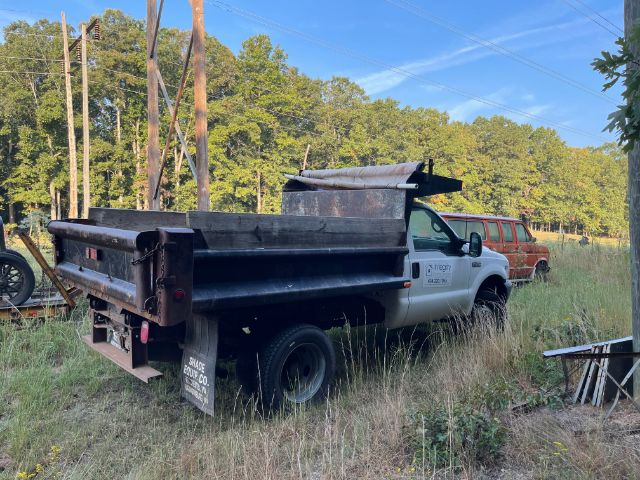
Most dump trucks in this category use a conventional steel dump body with either an electric-over-hydraulic or PTO-driven hydraulic system. Buyers should pay close attention to hoist design, cylinder condition, frame integrity, and signs of hard use around the body mounts, hinges, and tailgate. Common spec points include GVWR, wheelbase, axle ratings, transmission type, rear-end ratio, and whether the truck has a central hydraulic setup or a basic underbody hoist. If the truck will spend time off-road or on soft ground, traction features like locking differentials, aggressive tread, and the right suspension setup can make a noticeable difference. For road-heavy routes, a balanced spec with manageable tare weight and dependable brake performance is usually more important than maximum capacity.
Body material and configuration should match the material being hauled. Steel bodies hold up well in rock, scrap, and demolition applications, while lighter configurations may be better suited to mulch, topsoil, and less abrasive loads. Buyers should inspect the floor, crossmembers, scuff areas, and tailgate seal for wear, especially on older trucks. A mason dump or contractor dump can be a practical choice for crews that need tool storage, removable sides, or a trailer hitch for equipment support. On used dump trucks, engine condition, PTO engagement, hydraulic leaks, rust at the cab corners and frame, and evidence of previous overloading deserve close review. Service records carry real value in this category because hydraulic and chassis repairs can add up quickly.
Virginia buyers also need to think about local registration, bridge and axle laws, CDL requirements, and the kind of routes the truck will run between quarries, transfer sites, paving jobs, and urban delivery points. A dump truck that looks affordable on paper can become expensive if its axle spec, body volume, or wheelbase does not fit your daily work. The most useful comparison is not just year and mileage, but payload class, dump body dimensions, drivetrain, hydraulic setup, and overall structural condition. A properly matched dump truck can deliver strong productivity for hauling gravel, asphalt, fill, debris, and other bulk material across construction, municipal, and property maintenance applications.
Frequently Asked Questions about Dump Trucks in Virginia
What should I look for first when buying a used dump truck?
Start with the truck's intended payload and material type, then inspect the frame, dump body, hoist, and hydraulic system. Check for cracks near body mounts, excessive rust, leaking cylinders, worn hinge pins, tailgate damage, and signs the truck has been overloaded. After that, review engine condition, transmission operation, axle ratings, brake performance, and service history. On a dump truck, structural condition is just as important as mileage.
Is a single-axle or tandem-axle dump truck better?
A single-axle dump truck is typically better for tighter access, lower acquisition cost, and lighter payload work such as landscaping, municipal maintenance, and smaller construction jobs. A tandem-axle dump truck is better for heavier materials and higher volume hauling, especially when the truck is used regularly for stone, dirt, asphalt, or demolition debris. The best choice depends on legal payload, maneuverability needs, route type, and how often the truck will run fully loaded.
What dump body material is best for hauling aggregate or debris?
Steel dump bodies are generally preferred for aggregate, riprap, broken concrete, scrap, and demolition debris because they resist abrasion and impact better than lighter materials. For lighter-duty applications such as mulch, compost, or topsoil, a lighter body may improve payload efficiency. Buyers should also consider floor thickness, side construction, crossmember design, and tailgate style because body durability depends on more than the base material alone.
How important is the PTO and hydraulic system on a dump truck?
The PTO and hydraulic system are critical because they power the dump function and directly affect reliability on the job. A truck with weak PTO engagement, slow lift speed, hydraulic leaks, or a rough-operating hoist can create downtime and safety issues. Inspect pump operation, fluid condition, cylinder seals, hoses, controls, and lift performance under load if possible. A sound drivetrain does not make up for a problematic hydraulic system on a working dump truck.
Do lighter-duty dump trucks make sense for contractor use?
Yes, lighter-duty dump trucks can be a smart fit for contractors who need a versatile truck for hauling soil, gravel, debris, or equipment support without stepping into a larger tandem-axle chassis. They are often easier to park, simpler to maneuver in residential areas, and less expensive to maintain. The tradeoff is reduced payload, smaller body capacity, and less suitability for repeated heavy-haul cycles. Matching the truck's GVWR and body size to the actual job is the key decision.