
Dump Trailers For Sale in Pennsylvania
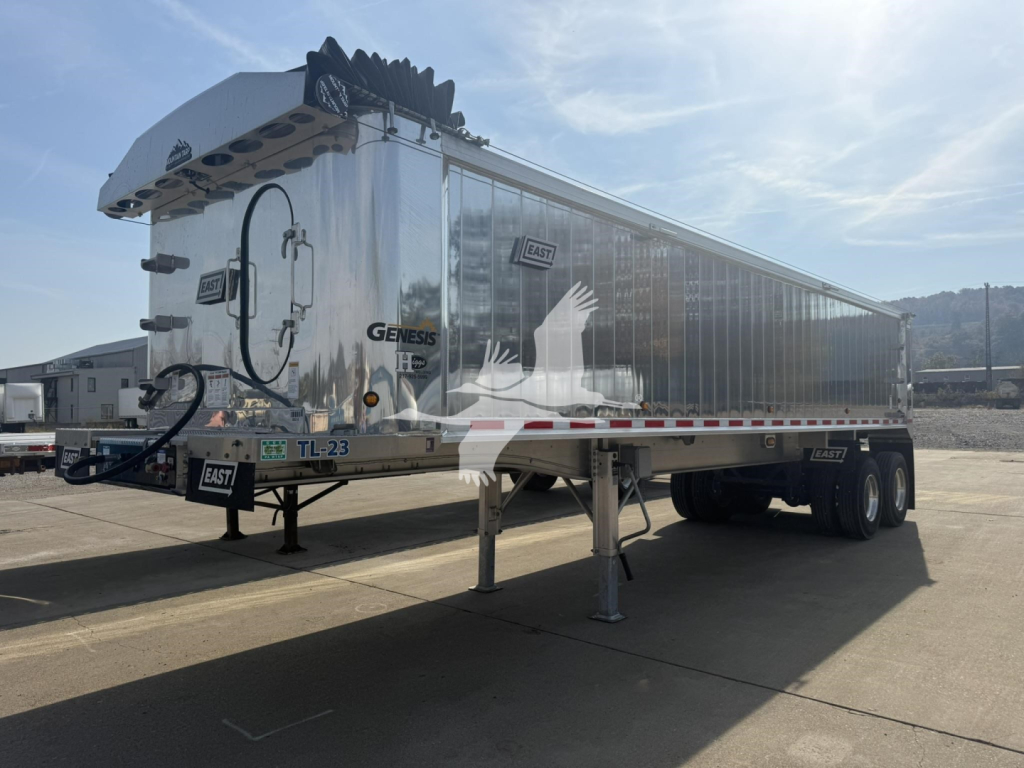
Browse dump trailers for sale, including aluminum and steel end dumps with tandem axles, air ride suspensions, tarp systems, and high-capacity bodies.
Selling a dump trailer? List your dump trailer for sale and reach thousands of commercial buyers.
Dump Trailers in Pennsylvania
Suspension, axle spacing, and hoist specification deserve close attention because they directly affect stability and operating cost. Tandem axle dump trailers remain a popular setup for balancing payload and maneuverability, and air ride suspensions are widely preferred for ride quality and cargo protection. Buyers should look at suspension setting, kingpin setting, and overall trailer geometry to make sure the trailer matches the tractor and intended route profile. Hoist design matters just as much. A trailer used in uneven yards, paving work, or soft ground needs a stable lift cycle and a body structure that resists twist. Crossmember spacing, frame condition, and landing gear condition are all worth checking, especially on used units that have seen hard loading cycles.
Body details can make a big difference in day-to-day usability. Common features include full-height tailgates, coal doors, manual or electric tarp systems, scuff-resistant body construction, LED lighting, ladders, and toolboxes. If the trailer will be used for agricultural products or light aggregates, a lighter-spec aluminum body may be the right fit. If it will spend its life in quarries or hauling broken concrete, heavier construction and wear-focused options usually pay for themselves. Tire size, brake life, wheel type, and floor and sidewall condition should all be evaluated together because a dump trailer can look clean cosmetically while still needing underbody, suspension, or brake work.
For Pennsylvania buyers, legal weight compliance, bridge formulas, and seasonal operating conditions are practical concerns. Mud, salt, freeze-thaw cycles, and steep jobsite grades put extra stress on wiring, tarp systems, hinges, and hoist components. It is smart to inspect the frame rails, hinge points, tailgate seals, and electrical system for corrosion or repair history. A well-matched dump trailer should fit the material stream, tractor setup, and route demands without giving away payload or creating stability issues during the dump cycle. The best choice is usually the trailer that balances empty weight, body strength, suspension quality, and hoist performance for the exact work being done.
Frequently Asked Questions about Dump Trailers in Pennsylvania
What is the difference between an aluminum dump trailer and a steel dump trailer?
Aluminum dump trailers are lighter, which helps increase payload and improve fuel efficiency on weight-sensitive hauls. Steel dump trailers are heavier but generally offer better resistance to abrasion and impact when hauling rock, scrap, or demolition material. The right choice depends on the material being hauled, expected loading conditions, and how important payload is compared with long-term body durability.
What body length is common for a dump trailer?
Many dump trailers fall in the mid-30-foot to 39-foot range, with 96-inch widths being standard in many applications. Body length and side height should match the commodity. Higher-volume, lighter materials can justify taller sides, while dense materials such as stone or asphalt may require a lower-volume setup to stay legal on gross weight. Buyers should evaluate cubic capacity along with legal payload, not just trailer dimensions alone.
Why does hoist specification matter on a dump trailer?
The hoist is critical because it affects lift stability, unloading speed, and long-term structural stress on the trailer. A properly matched hoist helps the body raise smoothly and handle the trailer's intended load profile without excessive frame twist. Hoist condition, mounting integrity, and hydraulic performance are especially important on used dump trailers because repeated heavy dump cycles can expose weak points over time.
Is air ride or spring suspension better for a dump trailer?
Air ride suspension is popular because it improves ride quality, helps reduce shock transfer to the trailer, and is often preferred for highway use. Spring suspension can be simpler and may appeal to fleets looking for a straightforward setup in rough service. The better choice depends on route conditions, maintenance preferences, and how the trailer will be loaded and unloaded. Suspension condition matters as much as suspension type.
What should I inspect first on a used dump trailer?
Start with the frame, hoist, body floor, sidewalls, hinge areas, tailgate hardware, and suspension. Then check brakes, tires, wheels, lighting, tarp system, and landing gear. On trailers that have worked in Pennsylvania conditions, corrosion around wiring, air system components, and structural connection points deserves extra attention. A sound dump trailer should show consistent maintenance across the structure, running gear, and hydraulic system.