
Conventional Sleeper Trucks For Sale in Maryland
Browse conventional sleeper trucks with common long-haul specs, sleeper sizes, powertrain options, and comfort features for over-the-road fleets.
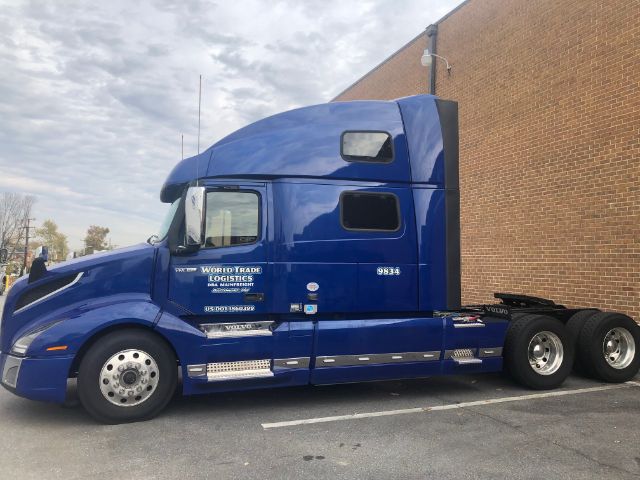

Selling a conventional sleeper truck? List your conventional sleeper truck for sale and reach thousands of commercial buyers.
Conventional Sleeper Trucks in Maryland
The biggest buying decisions usually start with sleeper size, axle configuration, and drivetrain. Common setups include 6x4 tandem-drive tractors with 70-inch to 86-inch sleepers, though some units are spec'd for heavier applications or specialized routing. High-roof sleepers offer full stand-up room, more storage, and better driver amenities for extended trips, while mid-roof and smaller sleepers can make sense for regional lanes and lighter weight priorities. Wheelbase, fifth wheel position, and rear axle ratio all affect bridge compliance, turning radius, and cruise RPM. Buyers comparing listings should also pay attention to engine ratings in the 400 to 500 horsepower range, automated manual versus manual transmissions, and whether the truck is geared for fuel economy, heavy haul starts, or mixed-service freight.
Interior and driver-support features can make a major difference in utilization. Many conventional sleeper trucks are equipped with double bunks, workstation layouts, inverters, refrigerators, parking heaters, upgraded seats, and premium trim packages aimed at driver retention. On the operating side, APUs, fairings, engine brakes, heated mirrors, dual aluminum fuel tanks, air ride cab suspension, and sliding fifth wheels are common specs that affect comfort and flexibility. A long-haul truck with 150-gallon dual tanks, for example, offers the fuel capacity many carriers want for fewer stops and better route planning. Tire condition, brake life, suspension type, and emissions-system history are just as important as cab amenities when evaluating a used highway sleeper.
For a buyer sorting through conventional sleeper trucks for sale, the most important question is how closely the spec matches the freight. Reefer and dry van operations often prioritize aerodynamic packages, automated transmissions, and fuel-efficient axle ratios. Flatbed and specialized operators may lean toward higher horsepower, wet kit provisions, stronger suspension specs, or different wheelbase requirements. Service records, idle management equipment, bunk condition, and signs of hard fleet use should all be reviewed alongside core chassis specs. A well-matched conventional sleeper truck can lower driver turnover, improve uptime, and hold resale value better than a tractor that is simply cheap on the front end.
Frequently Asked Questions about Conventional Sleeper Trucks in Maryland
What is a conventional sleeper truck?
A conventional sleeper truck is a Class 8 highway tractor with a hooded front-end design and an integrated sleeping compartment behind the cab. It is used primarily for long-haul and regional freight where the driver may spend one or more nights on the road. Compared with day cabs, sleeper tractors provide bunks, storage, and often added amenities such as inverters, refrigerators, and auxiliary climate control systems.
What sleeper size is best for long-haul trucking?
For long-haul operation, buyers commonly look at 72-inch to 86-inch sleepers because they offer better living space, more storage, and room for premium features that support extended time away from home. An 86-inch high-roof sleeper is common in over-the-road applications where driver comfort is a priority. Smaller sleepers can still work well for regional operations, but they typically give up stand-up room and interior flexibility.
Are automated manual transmissions common in conventional sleeper trucks?
Yes. Automated manual transmissions are very common in modern conventional sleeper trucks because they improve driver accessibility, help manage fuel economy, and reduce clutch-related wear compared with traditional manual transmissions. Many fleets prefer automated manuals for easier driver recruiting and more consistent operation, while some owner-operators still favor manual transmissions for specific terrain, hauling style, or personal preference.
What specs matter most when buying a used conventional sleeper tractor?
The key specs are engine horsepower and torque, transmission type, rear axle ratio, wheelbase, sleeper size, axle configuration, fuel capacity, suspension type, and fifth wheel setup. Buyers should also review maintenance history, emissions-system performance, tire and brake condition, and any idle-reduction equipment such as an APU or parking heater. A truck with the right drivetrain and wheelbase for the freight is usually more valuable than one loaded with cosmetic upgrades but poorly matched to the job.
Why are conventional sleeper trucks popular for East Coast freight?
Conventional sleeper trucks are popular on East Coast lanes because they balance highway efficiency with the range and comfort needed for dense, multi-state freight networks. They can be spec'd for port work, I-95 corridor runs, dedicated regional freight, or coast-to-coast hauling while still providing better service access than many alternative cab layouts. Buyers in states like Maryland often need that combination of sleeper comfort, fuel range, and adaptability to mixed route conditions.